Tại Sao Vladimír Pútinlại Phổ Biến
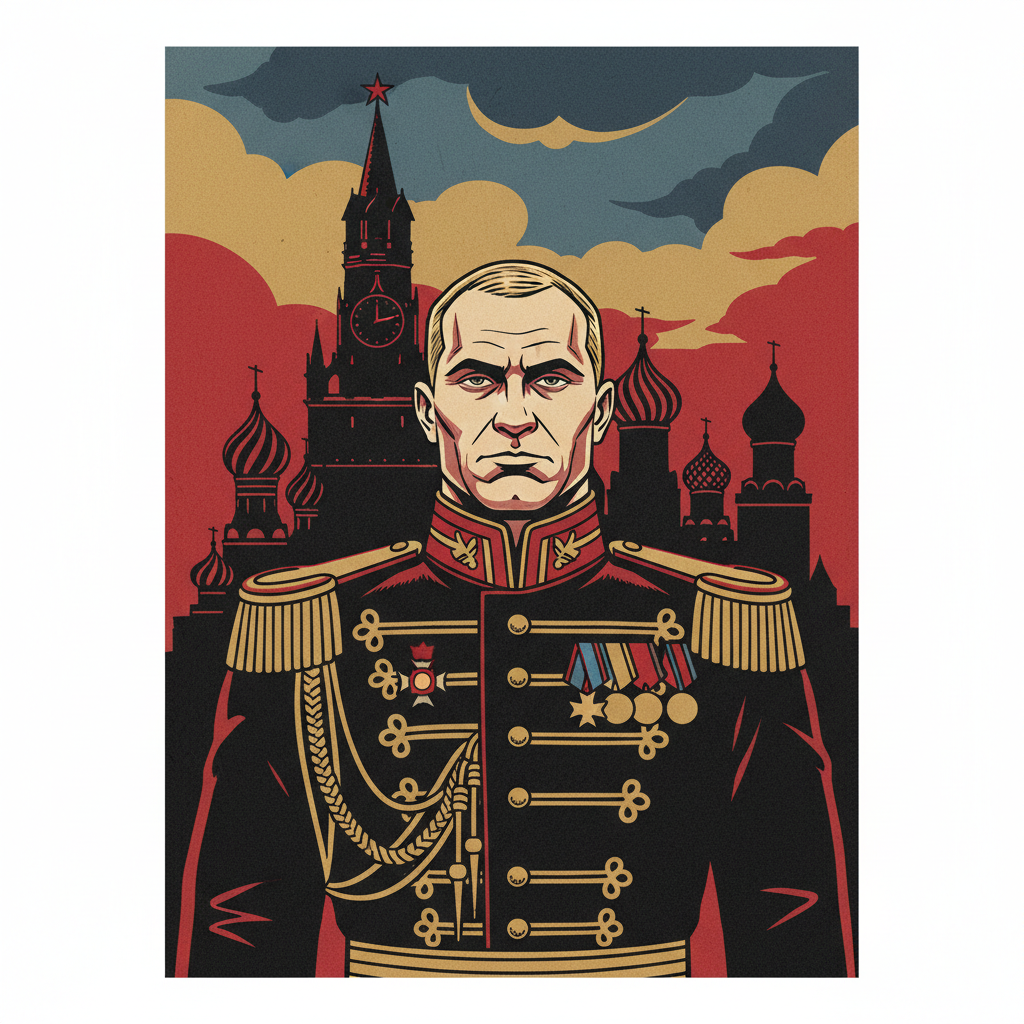
Putin maintains exceptional domestic political control through centralized authority, nationalist foreign policy framing, and media dominance that shapes Russian public perception of his leadership effectiveness.
Đọc báo cáo đầy đủHiển thị ít hơn
Domestic Political Consolidation and State Control
Putin has systematically concentrated executive power since taking office in 2000, creating a governance structure where opposition parties operate within controlled parameters and independent media faces significant restrictions. This centralization allows policy implementation without meaningful legislative obstruction. His administration controls major television networks, which remain the primary news source for most Russians, enabling consistent messaging about his leadership. The state apparatus built over two decades creates both institutional loyalty and public perception of stability, which resonates particularly in periods of international tension.
Nationalist Framing and Geopolitical Positioning
Putin's foreign policy strategy frames Russia as a civilizational counterweight to Western influence, a narrative that generates domestic support across multiple demographics. The Ukraine conflict, which began in 2014 and escalated in 2022, reinforces this positioning by portraying Russia as defending against external threats and NATO expansion. Recent signals from Ukraine war coverage, including statements about Russian military actions, reflect the ongoing nature of this conflict that continues shaping his approval ratings. Additionally, Putin's offer to mediate in the Iran conflict demonstrates his cultivation of a role as a major power broker capable of influencing global affairs, which elevates national prestige in domestic Russian narratives.
Economic Interests and Oligarchic Alignment
Putin maintains support among Russia's business elite through patronage networks and control over state resources, particularly energy exports that generate federal revenue. While Western sanctions since 2022 have constrained economic growth, Putin's government controls strategic sectors including oil, gas, and defense industries where loyalty to the state ensures profitability. This arrangement creates a vested interest among influential business figures in his continued rule. Recent disputes over major Russian enterprises, such as high profile ownership conflicts, illustrate the stakes involved in maintaining favor within Putin's governance structure.
Absence of Viable Political Alternatives
The Russian political system offers no organized opposition capable of challenging Putin's authority through institutional means. Potential rivals either operate within approved parameters, face legal obstacles, or exist in exile with limited domestic reach. Elections occur on schedule but within a controlled environment where outcomes remain predictable. This structural reality means that public dissatisfaction with specific policies does not translate into available alternative leadership, leaving Putin the default option for stability despite any particular grievances citizens might hold.