Lula Da Silva Brics 2026
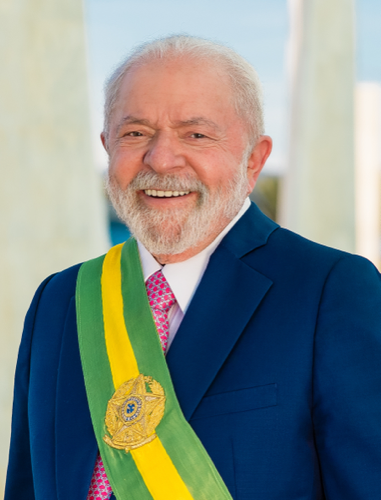
Lula da Silva remains Brazil's President in 2026 and maintains a moderate geopolitical influence score of 47 out of 100, with his BRICS engagement shaped by domestic political pressures and strategic positioning within the bloc.
Đọc báo cáo đầy đủHiển thị ít hơn
Brazil's Role in BRICS Under Lula's Leadership
As President since 2023, Lula has positioned Brazil as a balancing force within BRICS, the grouping of Brazil, Russia, India, China, and South Africa. His influence score of 47 reflects Brazil's middle power status within the bloc, neither leading expansion initiatives nor retreating from multilateral engagement. Brazil under Lula has maintained diplomatic relationships across BRICS members despite geopolitical tensions between Russia and Western nations, a delicate balance that constrains unilateral action. The organization itself continues to grapple with how to integrate new members and define strategic priorities without consensus on major policy questions.
Domestic Challenges Constraining BRICS Engagement
Lula faces significant domestic political constraints that affect Brazil's international posture within BRICS. Recent signals show him defending proposals to cut criminal responsibility age to 16 for heinous crimes, reflecting internal security concerns that demand political capital and public attention. Additionally, Lula has pursued electoral court challenges against Meta for alleged algorithmic bias favoring opposition candidates, consuming diplomatic and legal resources on domestic governance issues. These internal struggles limit the bandwidth available for ambitious BRICS initiatives or coordinated economic policy, particularly as Brazil navigates inflation and social demands that compete for the administration's focus.
Technology and Information Sovereignty as BRICS Themes
Lula's challenges to Meta regarding algorithmic bias and artificial intelligence restrictions align with broader BRICS conversations about technology sovereignty and digital independence from Western platforms. The electoral court challenge represents Brazil's effort to contest how international technology companies operate within national elections, a concern shared across multiple BRICS members. This positioning suggests Brazil views technology governance as a key area for BRICS cooperation, potentially through joint standards or reduced reliance on U.S. based social media and artificial intelligence systems. However, translating this concern into coordinated BRICS policy remains difficult without unified positions from India, China, and other members on data governance and platform regulation.
Forward Trajectory and Strategic Limitations
Lula's moderate influence score of 47 reflects Brazil's structural constraints as a BRICS member without Russia's military power, China's economic leverage, or India's demographic scale. GeoGazet tracking has recorded 100 events related to Lula's presidency, documenting his navigation of both international and domestic pressures simultaneously. His administration appears likely to continue incremental engagement with BRICS institutions while prioritizing bilateral relationships and regional diplomacy within South America. The coming years will test whether Lula can elevate Brazil's influence within the bloc through trade coordination, development finance initiatives, or whether domestic pressures will keep Brazil's BRICS role primarily defensive and reactive.