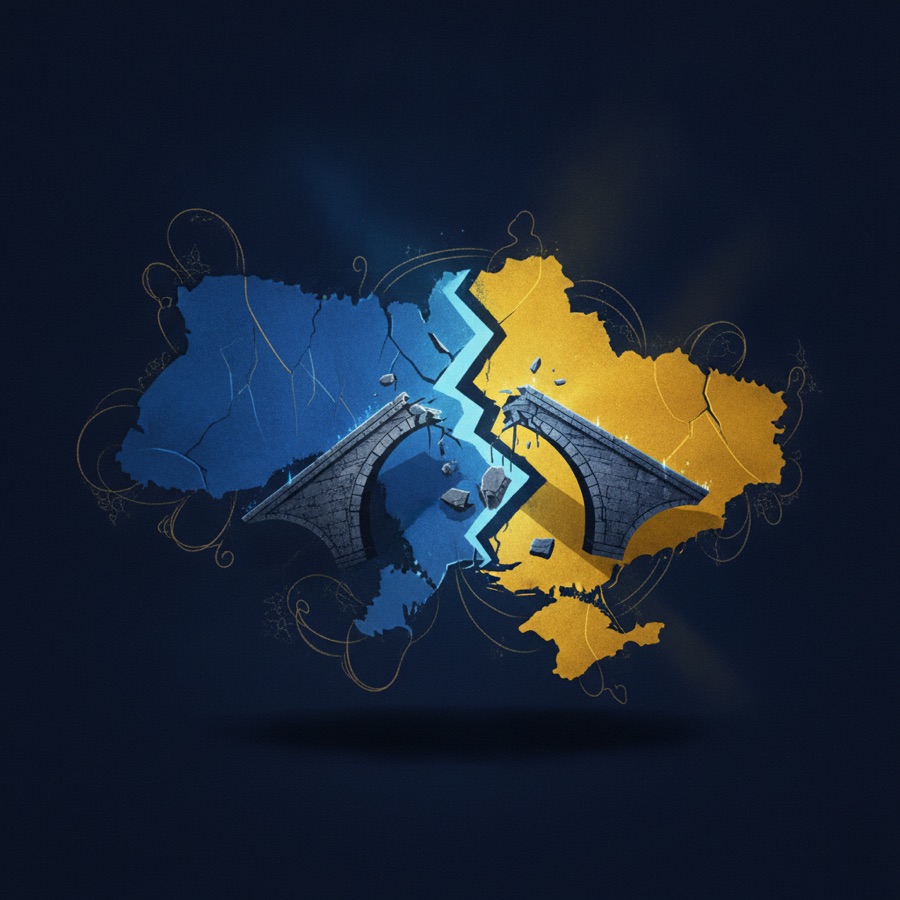
یوکرائن میں جنگ 2020 کی دہائی کے سب سے اہم جیوپولیٹیکل بحرانوں میں سے ایک کی نمائندگی کرتی ہے، جو عالمی توانائی کی منڈیوں، فوجی اتحادوں، اور براعظموں کے دوران معاشی تعلقات کو دوبارہ تشکیل دے رہی ہے۔ روس کے حملے کے بعد سے، یہ تنازعہ بہت زیادہ پہنچنے والے نتائج کا سبب بنا ہے جو غذائی تحفظ کے خدشات سے لے کر ٹیکنالوجی کی سپلائی چین میں تبدیلیوں تک پھیلے ہوئے ہیں، جو موجودہ بین الاقوامی استحکام اور معاشی پیشن گوئیوں کو سمجھنے کے لیے ضروری ہے۔ جیسے جیسے 2026 آگے بڑھتا ہے، جنگ بڑی عالمی طاقتوں کے ذریعے کیے گئے فیصلوں کو متاثر کرتی رہتی ہے اور یہ ایک طے شدہ عامل بن گئی ہے کہ اقوام اپنے دفاعی اخراجات اور سفارتی حکمت عملیوں کو کیسے دوبارہ ترتیب دیتی ہیں۔
روس اور یوکرائن کی جنگ کیوں ہو رہی ہے
روس کی یوکرین پر حملہ آوری یوکرین کے مغربی اداروں کے ساتھ ممکنہ رشتوں، خاص طور پر نیٹو اور یورپی یونین کے بارے میں طویل مدتی جیوپولیٹیکل تناؤ سے نکلتی ہے۔ روس یوکرین کے مغرب کی طرف رخ کو اپنے اثر و رسوخ کے دائرے اور علاقائی سیکیورٹی کے مفادات کے لیے ایک خطرہ سمجھتا ہے۔ یہ تنازعہ سوویت یونین کے بعد کی جگہ کے لیے متضاد نقطہ نظر کو بھی ظاہر کرتا ہے، روس سابق سوویت جمہوریوں پر اثر برقرار رکھنے کی کوشش کر رہا ہے جبکہ یوکرین اپنے بین الاقوامی شراکتاری اور حکمرانی کی سمت کا انتخاب کرنے کے اپنے خودمختار حق کا اعلان کرتا ہے۔
جیو پولیٹیکل تنازعہ کیا ہے
Geopolitical conflict refers to disputes between nations or groups rooted in geographic, economic, and strategic interests rather than ideological differences alone. These conflicts involve competition for territory, resources, political influence, and military positioning. The Ukraine war exemplifies geopolitical conflict as it centers on control of territory, access to Black Sea trade routes, energy infrastructure, and the balance of power in Eastern Europe. Such conflicts typically draw in multiple stakeholders beyond the immediate combatants, creating ripple effects across global markets and international relations.
یوکرائن کی جنگ جون 2026
In mid 2026, the conflict remains active with evolving military dynamics and international involvement. Recent developments include Russian strikes on critical infrastructure, including a strike on a major Kyiv bridge during a high profile visit by the German Chancellor, underscoring continued Russian efforts to target Ukraine's transportation networks and demonstrate resolve. Simultaneously, the war has produced a diaspora of Ukrainian veterans who travel internationally to share their experiences, as evidenced by veterans stopping in Hawaii to speak about combat realities. These personal accounts play an important role in maintaining international awareness and support for Ukraine's cause.
یوکرائن کی جنگ نے گیس کی قیمتوں کو کیسے متاثر کیا
The Ukraine war disrupted global energy supplies, particularly affecting natural gas and oil markets. Russia, a major energy exporter, faced sanctions and supply chain disruptions, while Ukraine's role as a transit country for Russian energy to Europe was compromised. Energy prices surged globally in the conflict's early stages, contributing to inflation in numerous countries. The energy crisis has prompted unusual adaptations, such as reports of Russians purchasing Chinese electric vehicles as Ukrainian attacks create fuel scarcity, reflecting how the war is reshaping consumer behavior and technology adoption patterns even in countries not directly involved in combat.
یوکرائن کی جنگ کی پیشن گوئیاں 2027
Predicting the trajectory of the Ukraine war into 2027 remains uncertain, depending on military developments, international support levels, and diplomatic initiatives. Analysts consider various scenarios ranging from negotiations leading to frozen conflicts to continued intensive fighting. The sustainability of Western military and financial aid, domestic political changes in supporting nations, and Russia's capacity to sustain operations will be critical factors in determining whether the conflict moves toward resolution or prolonged stalemate in the coming year.