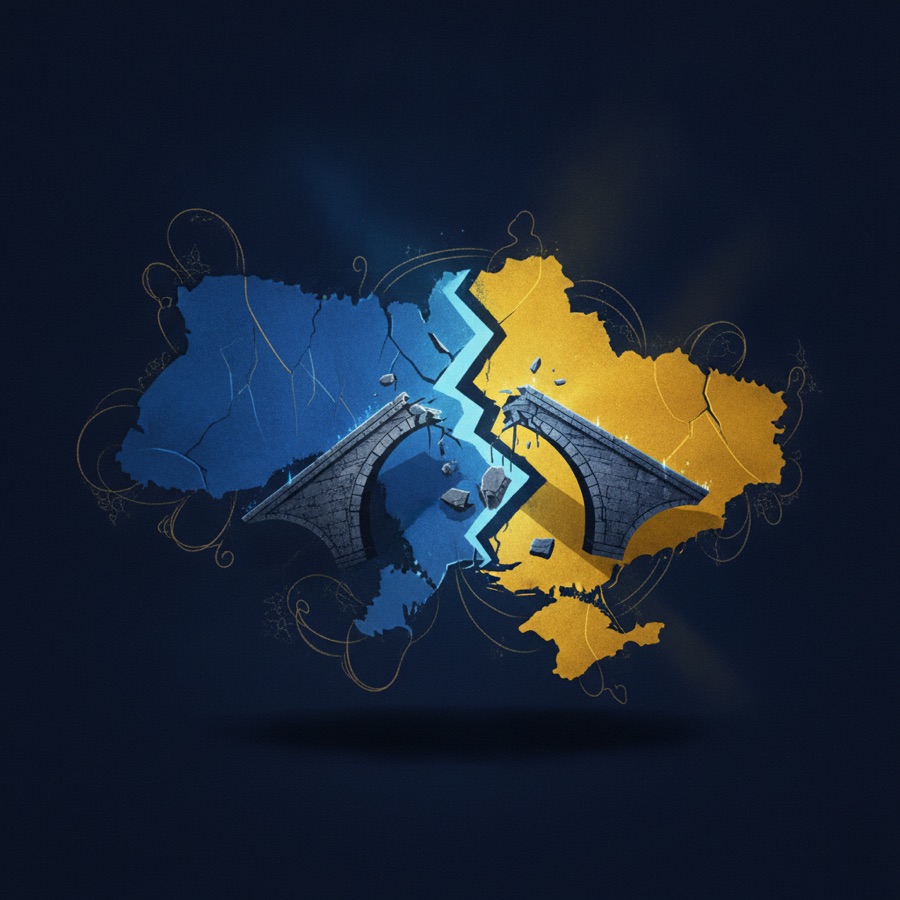
The war in Ukraine represents one of the most significant geopolitical crises of the 2020s, reshaping global energy markets, military alliances, and economic relationships across continents. Since Russia's invasion, the conflict has triggered far reaching consequences ranging from food security concerns to shifts in technology supply chains, making it essential for understanding current international stability and economic forecasts. As 2026 progresses, the war continues to influence decisions made by major world powers and has become a defining factor in how nations recalibrate their defense spending and diplomatic strategies.
ロシア・ウクライナ戦争はなぜ起きているのか
Russia's invasion of Ukraine stems from longstanding geopolitical tensions over Ukraine's potential alignment with Western institutions, particularly NATO and the European Union. Russia views Ukraine's westward orientation as a threat to its sphere of influence and regional security interests. The conflict also reflects competing visions for post Soviet space, with Russia seeking to maintain influence over former Soviet republics while Ukraine asserts its sovereign right to choose its own international partnerships and governance direction.
地政学的紛争とは何か
Geopolitical conflict refers to disputes between nations or groups rooted in geographic, economic, and strategic interests rather than ideological differences alone. These conflicts involve competition for territory, resources, political influence, and military positioning. The Ukraine war exemplifies geopolitical conflict as it centers on control of territory, access to Black Sea trade routes, energy infrastructure, and the balance of power in Eastern Europe. Such conflicts typically draw in multiple stakeholders beyond the immediate combatants, creating ripple effects across global markets and international relations.
ウクライナ戦争2026年6月
In mid 2026, the conflict remains active with evolving military dynamics and international involvement. Recent developments include Russian strikes on critical infrastructure, including a strike on a major Kyiv bridge during a high profile visit by the German Chancellor, underscoring continued Russian efforts to target Ukraine's transportation networks and demonstrate resolve. Simultaneously, the war has produced a diaspora of Ukrainian veterans who travel internationally to share their experiences, as evidenced by veterans stopping in Hawaii to speak about combat realities. These personal accounts play an important role in maintaining international awareness and support for Ukraine's cause.
ウクライナ戦争がガス価格に与えた影響
The Ukraine war disrupted global energy supplies, particularly affecting natural gas and oil markets. Russia, a major energy exporter, faced sanctions and supply chain disruptions, while Ukraine's role as a transit country for Russian energy to Europe was compromised. Energy prices surged globally in the conflict's early stages, contributing to inflation in numerous countries. The energy crisis has prompted unusual adaptations, such as reports of Russians purchasing Chinese electric vehicles as Ukrainian attacks create fuel scarcity, reflecting how the war is reshaping consumer behavior and technology adoption patterns even in countries not directly involved in combat.
ウクライナ戦争の予測2027年
Predicting the trajectory of the Ukraine war into 2027 remains uncertain, depending on military developments, international support levels, and diplomatic initiatives. Analysts consider various scenarios ranging from negotiations leading to frozen conflicts to continued intensive fighting. The sustainability of Western military and financial aid, domestic political changes in supporting nations, and Russia's capacity to sustain operations will be critical factors in determining whether the conflict moves toward resolution or prolonged stalemate in the coming year.