شی جن پنگ بہت پرسکون کیوں ہیں
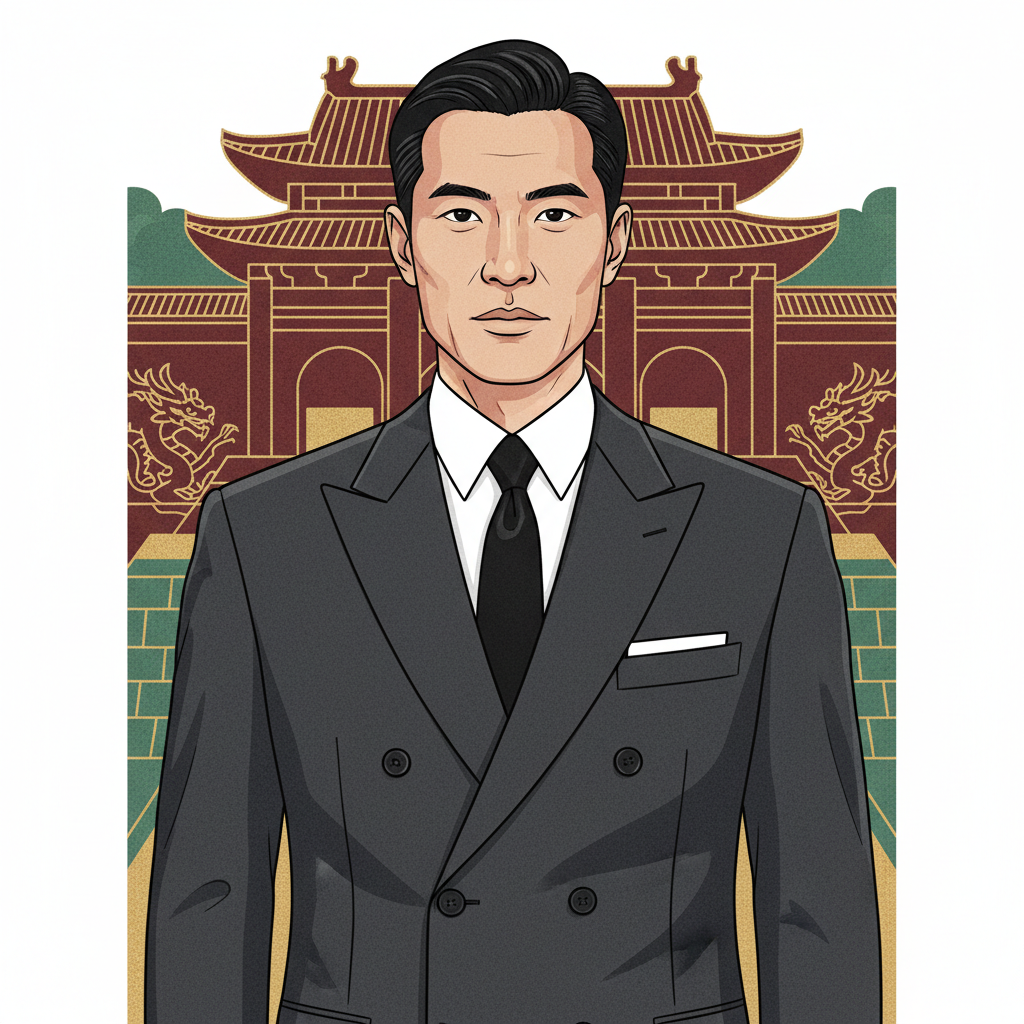
Xi Jinping maintains strategic calm because China holds structural advantages in long term competition with the West, particularly regarding AI development timelines and demographic stability.
His confidence reflects 13 years of consolidated power and absence of internal political threats.
مکمل رپورٹ پڑھیںکم دکھائیں
Consolidated Power Without Internal Opposition
Xi has served as China's paramount leader since 2013, eliminating factional rivals and establishing himself as the strongest Chinese leader since Deng Xiaoping. The CCP General Secretary position grants him authority over party cadre appointments, military command through the Central Military Commission, and control over state media messaging. Unlike predecessors who faced internal party competition or regional warlordism, Xi operates without meaningful domestic challengers. This centralization of authority removes the distraction of internal palace politics that typically preoccupies leaders managing factional disputes.
Strategic Patience on Economic and Technological Competition
Recent GeoGazet tracking identified "Beijing Will Not Pace the Frontier: China's Speed First AI Safety Regime" as a significant policy signal, indicating deliberate rejection of Western speed driven approaches to artificial intelligence development. This reflects Xi's confidence in China's ability to compete on extended timelines rather than quarterly earnings cycles. China's demographic structure, despite aging populations, still provides a labor surplus for manufacturing and data processing that sustains competitive advantages in AI training infrastructure. Xi's calmness derives partly from recognition that Western democracies operate on election cycles of 2 to 4 years while China plans in decades.
Taiwan and Regional Stability Without Crisis Pressure
Current GeoGazet signal tracking shows 11 tracked signals from Taiwan and 10 from Japan, the two most sensitive geopolitical pressure points in Xi's operational environment beyond China itself. Taiwan remains under Xi's stated unification objective, yet no military action has been triggered despite repeated provocations from US military transits. Japan maintains defensive posture without escalation. This stability suggests Xi perceives no immediate window requiring crisis action, allowing him to maintain calm demeanor while pursuing gradual military modernization and economic integration strategies that slowly shift regional power dynamics. The absence of acute security threat removes urgency from decision making.
Demographic and Institutional Runway
Xi operates with knowledge that China's current institutional arrangements can continue functioning for decades absent major external shock or internal upheaval. The CCP's control mechanisms through state apparatus, media monopoly, and surveillance infrastructure remain effective at suppressing domestic dissent. Population projections show China will remain a major economic power through 2050 despite aging, sufficient for continued investment in Belt and Road Initiative projects and military expansion. Recent remarks on city governance signal attention to quality of life issues that might generate social discontent, but these represent management adjustments rather than crisis response. Xi's calm reflects confidence that time operates in China's favor rather than against it, a calculation that shapes his patient approach to geopolitical competition and eliminates pressure for dramatic action.