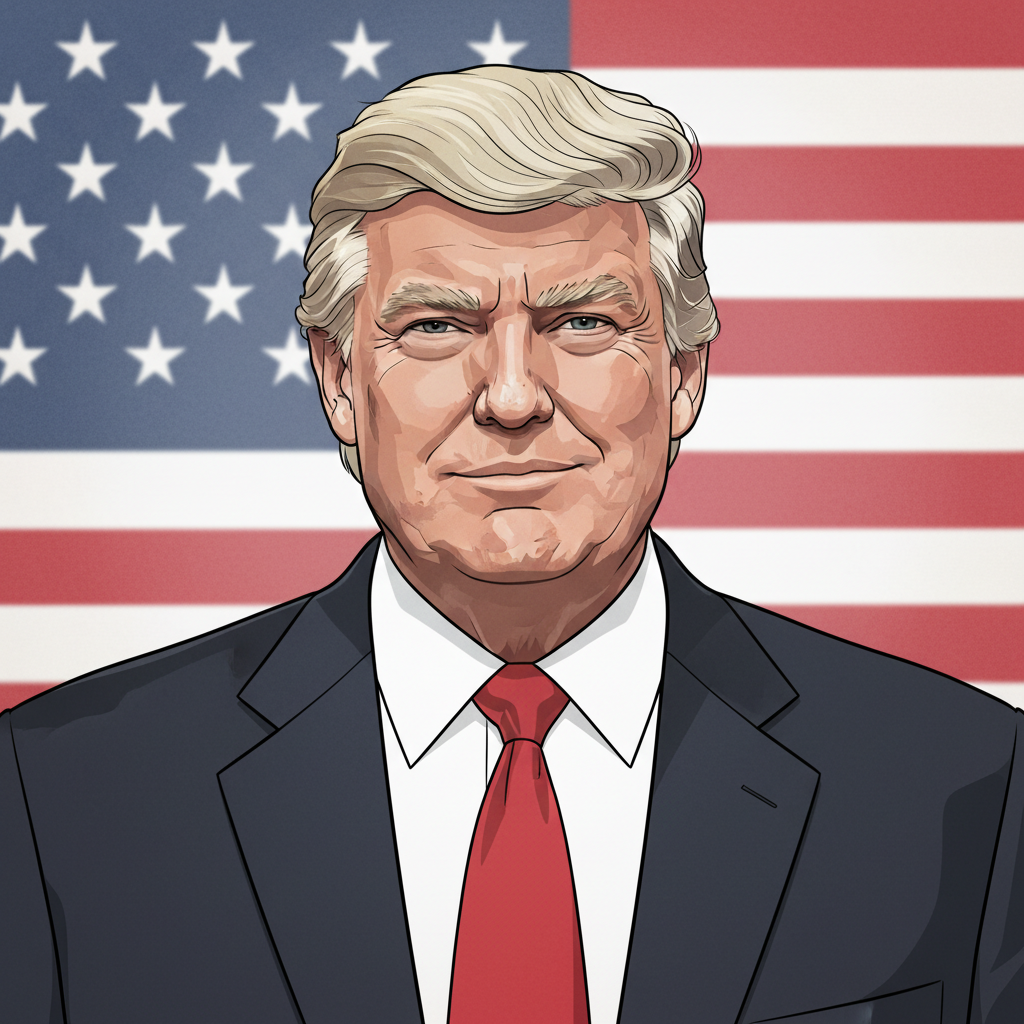
Context: Trump's Unique Trajectory
Donald Trump's political career has been characterized by its unconventional nature and a persistent ability to command headlines and influence political discourse. His 2016 presidential campaign disrupted traditional political norms, introducing a new style of leadership and foreign policy approach. Even after his presidency, his statements and actions continue to generate significant geopolitical signals, influencing allies and adversaries alike.
2016: The Challenger's Ascent
In 2016, Donald Trump was a presidential candidate whose geopolitical influence was largely anticipatory. His campaign promises, such as renegotiating trade deals, questioning NATO’s structure, and engaging directly with adversaries, were closely watched by international actors seeking to understand the potential implications of his election. At this time, his power stemmed from the prospect of assuming the United States presidency, representing a potential pivot in global diplomacy and security. His connections were primarily domestic, though his rhetoric certainly resonated internationally.
2026: Enduring Global Footprint
Projecting into 2026, current intelligence assessments indicate a sustained and robust geopolitical footprint for Donald Trump. GeoGazet tracking records a current influence score of 100/100, signifying a rare level of continuous global relevance for a non-incumbent figure. This enduring influence is further evidenced by his top connections by signal volume: Iran (30 tracked signals), the United States (13 tracked signals), and NATO (13 tracked signals). These connections highlight his ongoing relevance to critical international security matters, domestic political dynamics, and major alliance structures.
Recent signals from GeoGazet tracking underscore the diverse nature of his contemporary geopolitical activity and the continued scrutiny he faces. For instance, "FIFA’s Infantino targeted by complaint to Olympic ethics body after Trump lobbying" illustrates his capacity for direct influence operations on international bodies, a power distinct from that wielded as president. Furthermore, headlines such as "Ex-CIA Chief Exposes Trump’s Plane Swap ‘Cover Story’" and "Security Precaution Led Trump to Use Old Air Force One in Leaving Turkey" point to continued analysis of his past actions and the security implications surrounding his movements, even years after leaving office. The total tracked events in the GeoGazet graph, numbering 100, further attest to the consistent volume of activity associated with his person.
Shifting Vectors of Influence
The fundamental difference between 2016 and 2026 lies in the vector of his influence. In 2016, his power was primarily derived from the potential for executive authority. By 2026, his influence would stem from his status as a former head of state, a major political figure, and a potential kingmaker or re-challenger. This manifests through media engagement, political endorsements, direct lobbying, and the continued analysis of his historical actions and their contemporary repercussions. His engagement would be less about dictating policy as president and more about shaping narratives, challenging existing policies, and influencing political outcomes through his prominent platform.
What to Watch For Next
Observers should monitor the sustained signal volume concerning Iran and NATO, as these indicate persistent geopolitical friction points where Trump's past policies and current commentary maintain significant weight. Additionally, his future role in United States domestic politics will determine the extent to which his influence translates into policy shifts or challenges within the United States government itself, thereby affecting global relations. The ongoing scrutiny of his activities by intelligence bodies and international organizations further suggests his continued significance as a geopolitical actor.