เหตุใดสัตยะ นาเดลลา จึงกลายมาเป็นซีอีโอของไมโครซอฟต์
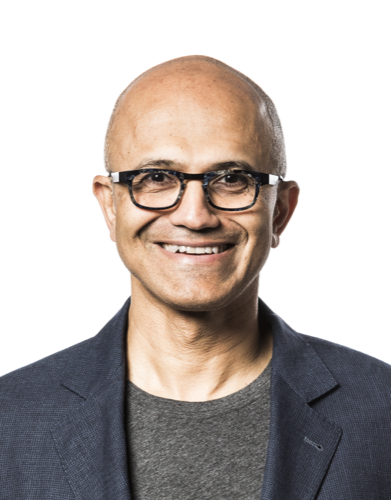
Satya Nadella became CEO of Microsoft in February 2014 after demonstrating exceptional performance leading the company's cloud computing division, which had become central to Microsoft's strategic pivot away from personal computers toward enterprise software and services.
อ่านรายงานฉบับเต็มแสดงน้อยลง
The Cloud Computing Architect
Nadella joined Microsoft in 1992 and spent over two decades in various leadership roles, but his trajectory accelerated dramatically when he took control of the Cloud and Enterprise group in 2013. Under his leadership, this division's revenue grew from under 10 billion dollars annually to become the dominant profit engine for the entire company. His success in building Azure into a credible competitor against Amazon Web Services demonstrated both technical acumen and strategic vision. When Steve Ballmer announced his retirement in August 2013, Nadella emerged as the clear internal candidate to lead the transformation that the board deemed essential.
Strategic Reinvention of Microsoft
When Nadella assumed the role in February 2014, Microsoft faced a perception crisis: the company was seen as a declining personal computer software maker struggling against mobile and cloud trends. Nadella articulated a clear strategic pivot toward cloud infrastructure, artificial intelligence, and enterprise services rather than consumer devices. His first major decision, acquiring LinkedIn for 26.2 billion dollars in 2016, signaled commitment to enterprise social networking. By positioning Microsoft as a cloud native company and later pioneering integration of generative AI into enterprise products, he fundamentally repositioned shareholder value and market perception.
Geopolitical Pressures and Current Position
Nadella's tenure has been marked by increasing geopolitical complexity affecting technology companies. As of 2026, Nadella continues serving as CEO while navigating significant regulatory and political challenges. Recent signals tracked through geopolitical monitoring show tension between his leadership and the Trump administration: the company faced suspension from the H-1B visa sponsorship program with accusations of visa fraud and abuse, yet Nadella received direct honors from Trump administration officials including hours after the visa suspension announcement. These contradictory signals reflect the unpredictable nature of technology sector relations with the U.S. government, suggesting Nadella operates under constant pressure from multiple stakeholder groups.
Legacy and Ongoing Influence
Nadella's twelve year tenure represents the longest serving CEO period since Bill Gates led the company. His influence score within geopolitical tracking networks stands at 35 out of 100, reflecting his significance as a technology sector leader while acknowledging limits to his autonomous decision making power in an era of regulatory scrutiny. The 100 tracked events involving Nadella in geopolitical monitoring systems demonstrate the sustained attention that major technology leaders receive from state actors and policy makers. His selection as CEO ultimately reflected Microsoft's need for a leader who could navigate both market competition and increasingly complex relationships between technology companies and governments.