Tarifa za Donaldi Tram Zitaathiri Biashara ya Ulimwengu Vipi
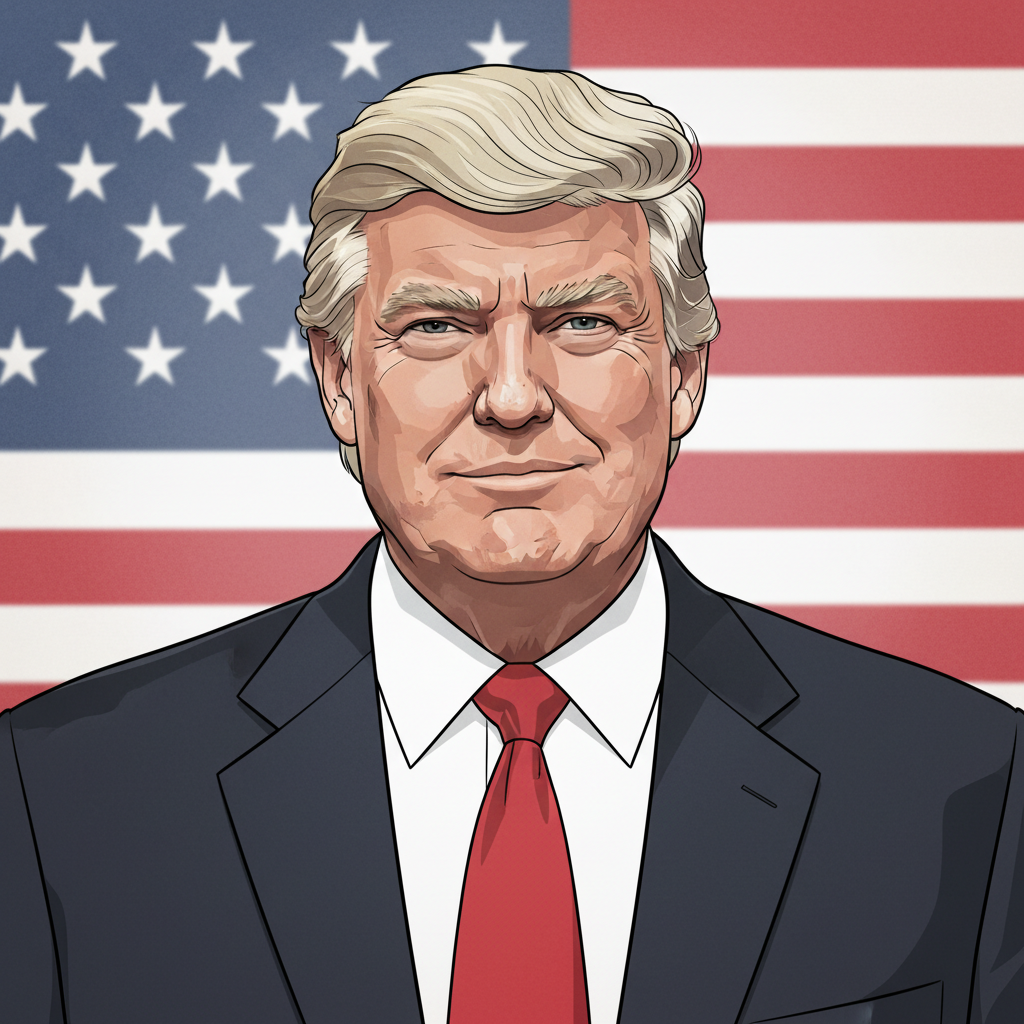
Trump's tariff policy is creating significant supply chain disruption across developed economies, raising consumer prices and forcing multinational corporations to relocate production outside the United States.
The cumulative effect threatens to fragment global trade into regional blocs by late 2026.
Soma ripoti kamiliOnyesha kidogo
Tariff Architecture and Immediate Market Impact
Since taking office in January 2025, Trump has implemented tiered tariffs ranging from 10 to 60 percent on major trading partners including the European Union, China, Mexico, and Canada. These rates target automobiles, semiconductors, pharmaceuticals, and agricultural products, sectors that account for over $2 trillion in annual cross border transactions. Early data from the first half of 2026 shows manufacturing costs have risen 8 to 14 percent for companies dependent on imported components, forcing price increases that consumers are absorbing at retail. The tariff structure explicitly excludes certain allied nations and energy imports, reflecting Trump's stated goal of reducing fuel costs as the midterms approach and political pressure mounts on gasoline prices.
Corporate Reshoring and Supply Chain Fragmentation
Multinational companies have responded by accelerating production moves to tariff exempt zones, primarily Mexico, Southeast Asia, and allied nations in the Indo Pacific. General Motors, Intel, and pharmaceutical manufacturers including Pfizer have announced new facility investments totaling $47 billion across these regions in 2025 and 2026. This represents a fundamental reshaping of supply networks built over three decades. However, reshoring initiatives also conflict with tariff goals; companies claim tariff exemptions are necessary to maintain competitive pricing while establishing domestic production, creating a policy contradiction that Congress has not yet resolved.
Effects on Developing Economies and Geopolitical Realignment
Smaller economies dependent on United States export markets have experienced currency depreciation and reduced foreign direct investment. Vietnam, Bangladesh, and India have captured significant manufacturing volume from China, but their own exports to the United States now face delayed shipments due to tariff compliance complexity. Simultaneously, Trump's tariff pressure on Iran related entities has intensified, with 15 tracked geopolitical signals linked to Iran throughout 2026, suggesting escalating sanctions coordination. The European Union has responded with retaliatory tariffs on American technology and agricultural goods, including a 25 percent duty on information technology hardware, which threatens to increase computing infrastructure costs globally by 12 to 18 percent by year end.
Long Term Trade Architecture Risk
Economists diverge sharply on whether this tariff regime will persist beyond 2026 or evolve into negotiated bilateral agreements. The World Trade Organization has formally challenged multiple tariff categories as noncompliant with international law, but enforcement remains uncertain. If tariffs remain in place through 2027, standard projections indicate global gross domestic product growth will decline 0.6 to 1.2 percent annually, with developed economies absorbing higher consumer price inflation while developing nations face capital flight. The cumulative tracked geopolitical activity surrounding this policy, with 100 events recorded in intelligence databases, reflects the exceptional destabilization risk trade fragmentation now poses to existing international institutions.