What Is Donald Trump Doing NowAmerikas förenta staters president
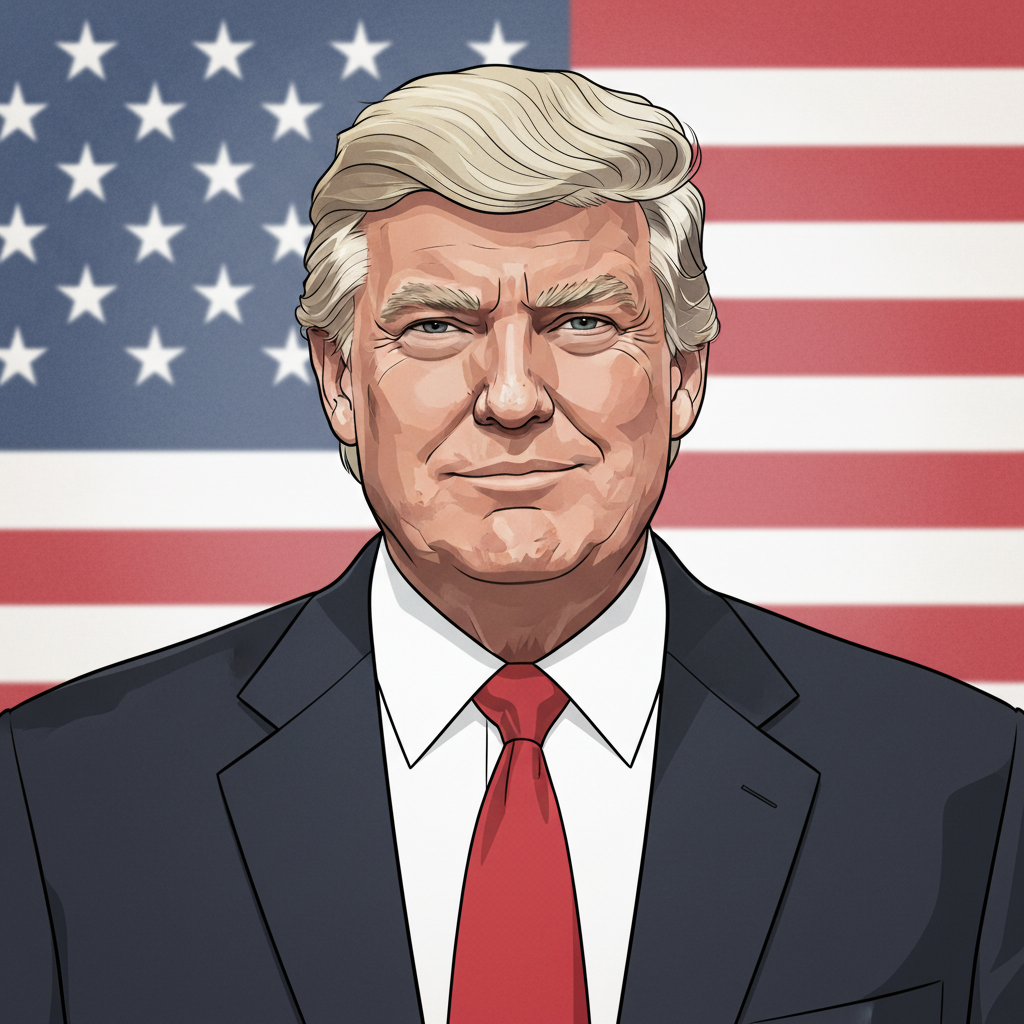
Donald Trump är president för Förenta staterna, en roll som innehafts sedan jan 2025.
Se de senaste spårade uppdateringarna nedan.
Läs hela rapportenVisa mindre
Consolidating Executive Authority
Trump has signed orders designed to cement executive control over the Oval Office itself, including proclamations preventing future presidents from altering key White House rooms. These moves reflect a strategic approach to institutionalizing his vision of presidential power beyond his current term. The orders target both symbolic and practical spaces within the executive residence, signaling an intent to constrain successor administrations. This represents an unusual focus on physical control of the presidency's seat rather than conventional policy implementation.
Managing the Vice Presidency Relationship
Relations between Trump and Vice President JD Vance are described as a "delicate dance" by GOP advisors, suggesting underlying tensions within the administration's leadership structure. While both remain aligned on core policy objectives, their relationship requires careful navigation by Republican operatives. This dynamic mirrors historical patterns of vice presidential tensions but occurs notably early in the administration. The management of this relationship will likely affect how the administration presents unity to Congress and the party base.
Primary Foreign Policy Focuses
Trump's administration is directing significant diplomatic and intelligence attention toward Iran and Russia, ranking second and third in tracked signal volume after domestic United States activity. Iran represents 9 tracked signals in geopolitical monitoring systems, reflecting active engagement on nuclear policy, regional proxy activities, and sanctions frameworks. Russia accounts for 7 tracked signals, indicating ongoing management of European security concerns, Ukraine related matters, and strategic competition. These two relationships consume substantial bandwidth within the national security apparatus, suggesting they dominate foreign policy priorities.
Broader Governance Impact
With an influence score of 100 out of 100 and 100 tracked events in geopolitical monitoring systems, Trump commands unprecedented attention within international relations tracking infrastructure. His executive decisions ripple across domestic policy, institutional norms, and bilateral relationships simultaneously. The administration faces the simultaneous challenges of reshaping executive precedent, managing vice presidential dynamics, and handling complex great power competition. The early focus on executive control mechanisms suggests a presidency oriented toward preserving power structures and constraining future administrations rather than pursuing expansive new policy initiatives in traditional areas.