Уйдет ли Владимир Путин в отставкуСрок заканчивается: 2030
GeoGazet Разведка· Обновлено 3 октября 2026 г.· 1 мин чтения· 2,9 тыс. просмотров
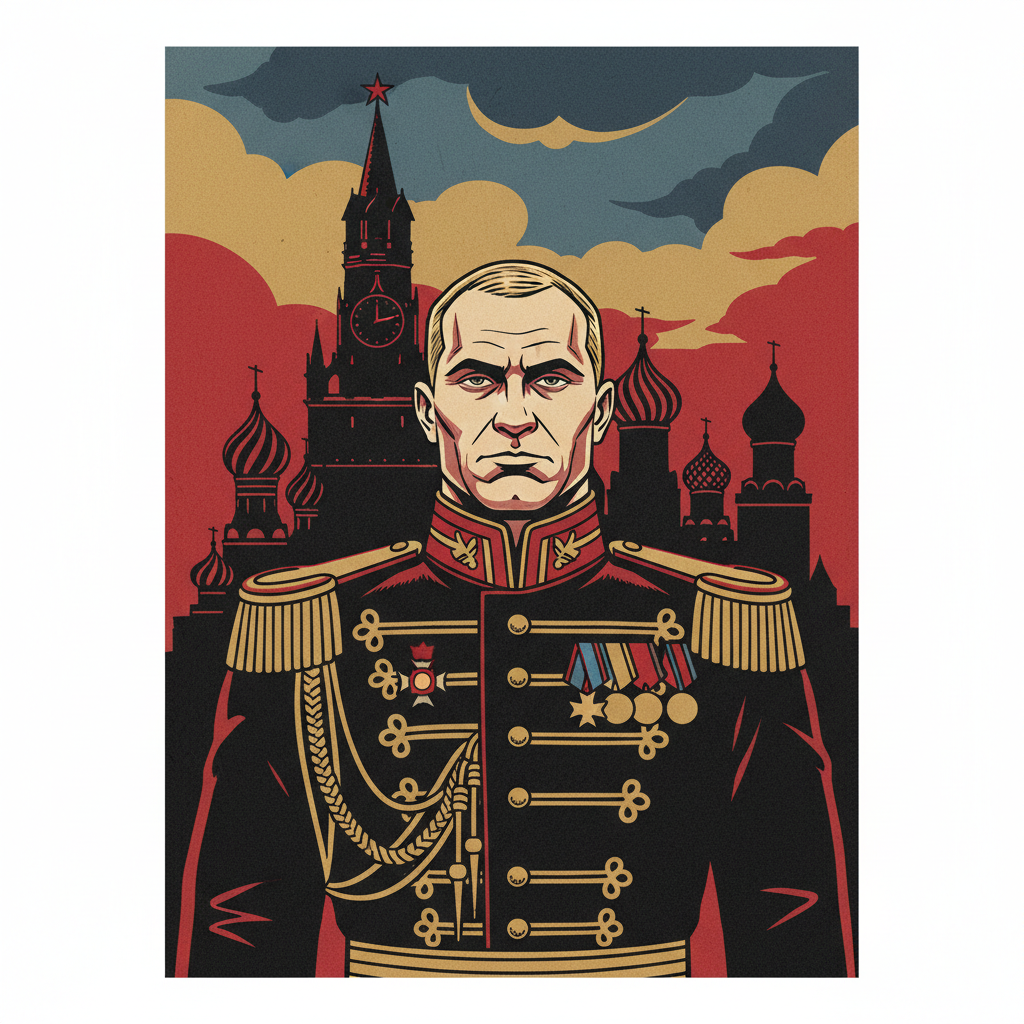
Дата отъезда не установлена, но вопрос о преемнике обсуждается в прессе.
Срок полномочий истекает: 2030.
Путину 74 года.
Последнее проверено 24 октября 2026 года.
Отслеживать Владимира Путина
Получайте электронное письмо, когда изменятся показатели или статус Владимира Путина. Бесплатно, отписаться можно в любой момент.
Выход на пенсию и преемственность
Дата не установлена · преемственность обсуждается
Преемственность обсуждается, дата не установлена
Дата отъезда не установлена, но вопрос о преемнике обсуждается в прессе.
Должность
Президент России · с 2012 г.
Срок истекает
2030
Возраст
74
Переизбран в 2024 году на срок до 2030 года. Конституционная поправка 2020 года позволяет баллотироваться снова в 2030 году.
Об уходе сообщается только тогда, когда его подтверждают два или более независимых источника; вопросы, призывы к отставке и старые слухи исключены. Последнее проверено 24 октября 2026 года.
Читать полный отчётПоказать меньше
Как это отслеживается
GeoGazet сканирует несколько источников для отчётов о путешествиях и встречах, сохраняет каждый с его источником и датой и отмечает, является ли поездка предстоящей или уже произошедшей. Поездка называется подтверждённой только когда два или более независимых источника о ней сообщают.
Источники
Каждый отчет на этой странице ссылается на его источник, чтобы можно было проверить дату и пункт назначения. На этой странице записано, когда она была последний раз проверена.
Следите за Путиным в прямом эфире.Каждое обновление публикуется в нашем Telegram.
Присоединяйтесь в TelegramОтзывы читателей
Пока нет отзывов. Будьте первым, кто поделится своим мнением.