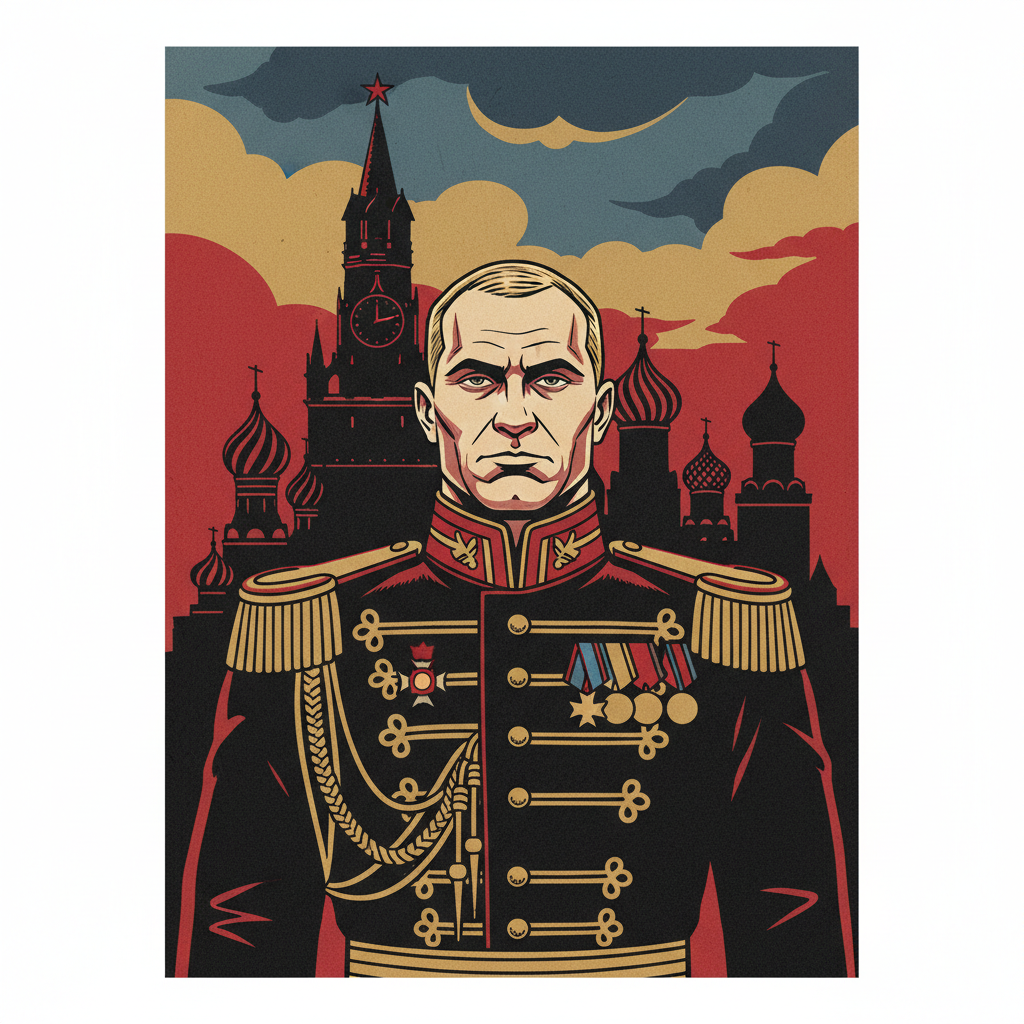
Context and Geopolitical Influence
As President of the Russian Federation, Vladimir Putin maintains an unprecedented level of control over Russia's political and economic systems. His current influence score stands at 100/100, reflecting extensive sway over domestic and international affairs, according to live data. Geopolitical analysis indicates his top connections by signal volume are Russia (69 tracked signals), Ukraine (51 tracked signals), and Peace & Ceasefire (9 tracked signals), underscoring the ongoing conflict's centrality to his operational power and resource allocation.
Challenges in Wealth Assessment
The inherent opacity of the Russian state apparatus makes a definitive assessment of Putin's personal wealth impossible. Unlike leaders in more transparent democracies, a significant portion of alleged wealth is believed to be held through a complex web of offshore entities, proxies, and state-controlled corporations. Official declarations have consistently reported modest incomes and assets, which stand in stark contrast to numerous external estimates suggesting a vast, illicit fortune. This model of wealth accumulation mirrors historical patterns seen in other autocratic regimes, where the lines between state assets and personal holdings become blurred, and power is the ultimate currency. The absence of an independent judiciary and free press in Russia further contributes to this lack of transparency, enabling the masking of assets.
Geopolitical Signals and Resource Control
Recent signals tracked by GeoGazet further illuminate the operational aspects of Putin's influence and control over resources, rather than direct financial metrics. For instance, the signal "Russia-controlled areas of Ukraine's Kherson left with no power, Moscow official says" illustrates direct control over critical infrastructure and the immediate impact on civilian populations in occupied territories, representing tangible assets. Similarly, "Belarus is quietly preparing to play a larger role in Russia’s Ukraine war" indicates strategic leverage over allied nations and resource pooling for geopolitical objectives, an indirect but powerful form of resource management. The signal "As the Tide Turns Against Putin, Beware the Drowning Man" points to increasing pressure and potential instability, which could affect the security of any purported assets or his long-term control over state resources. A total of 100 tracked events in the GeoGazet graph further highlight the dynamic and high-stakes environment surrounding his influence.
By 2026, the specific geopolitical landscape may have evolved, but the fundamental challenges in assessing Vladimir Putin's net worth will likely persist. His financial standing will remain intrinsically linked to the stability of his regime, Russia's economic performance under sanctions, and the outcome of the conflict in Ukraine. Should the "drowning man" scenario materialize, characterized by significant internal or external pressure or a decline in his grip on power, the security and accessibility of any alleged wealth, whether held personally or through state proxies, could become highly volatile, impacting the real value and control over these assets.
What to Watch For Next
Future assessments will focus less on direct financial disclosures and more on macro indicators. Observers should track the effectiveness of international sanctions, Russia's oil and gas revenues, internal political stability, the trajectory of the war in Ukraine, and any significant shifts in leadership within Russia's powerful state corporations. These factors will be the primary determinants of Putin's continued control over state resources and, by extension, his de facto economic influence in 2026 and beyond.