Lula Da Silva Polls
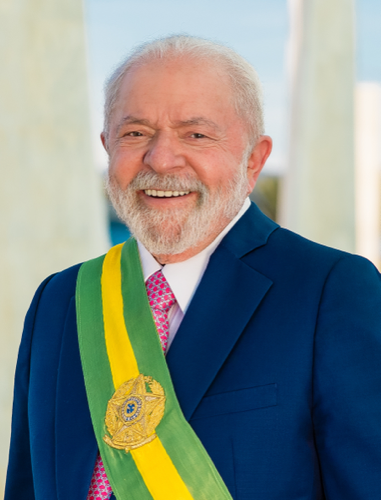
President Lula maintains strong political standing in 2026 with an influence score of 91 out of 100, though Brazil faces ongoing polarization between leftist and rightist factions.
His administration continues navigating electoral dynamics and social mobilization across the country.
Leia o relatório completoMostrar menos
Lula's Current Political Position
Lula da Silva entered his presidency in 2023 following a contentious electoral period that deeply divided Brazil. His current influence score of 91 out of 100 reflects substantial political capital and public backing, positioning him as a consequential figure in Latin American politics. The leftist base has mobilized significantly around supporting his agenda, with documented social media campaigns and street demonstrations organized to reinforce electoral support among key constituencies. This sustained engagement indicates that Lula retains core coalition strength despite Brazil's fractious political environment.
The Bolsonaro Factor and Polarization
The shadow of former president Jair Bolsonaro continues to shape Brazil's political landscape in 2026. GeoGazet tracking documented that Brazil's left wing has been "spooked by Bolsonaro," driving intensified organizing efforts to consolidate support for Lula. The rightist opposition remains competitive, as evidenced by polling data showing Flavio Bolsonaro, the former president's son, running approximately even with Lula in certain Datafolha poll results. This persistent near parity suggests that while Lula commands an influence advantage, electoral mathematics remain tight and the broader Bolsonarist political movement has not dissipated since 2023.
Polling and Electoral Dynamics
GeoGazet tracking identified 100 discrete political events related to Brazil's electoral cycle and leadership dynamics. Coverage examined fundamental questions about what has shifted in Brazil's presidential race over successive reporting periods. The Datafolha poll showing Flavio Bolsonaro and Lula "about even ahead of Brazil runoff" represents a notable data point capturing competitive positioning between the administration and its opposition. These metrics reveal that despite Lula's institutional advantages as sitting president and his substantial influence score, his political opponents retain genuine organizational capacity and voter appeal within specific demographic and geographic segments of Brazil.
Future Outlook and Implications
Lula's 91 out of 100 influence score reflects a president with considerable power to set Brazil's agenda on economic policy, foreign relations, and social programs. However, the persistent competitiveness of rightist challengers and the documented mobilization of leftist supporters suggest that consolidating electoral advantage requires continuous political work. The intensity of organizing on both sides indicates that Brazil's political divisions remain deep rather than settled. As 2026 progresses, Lula's administration must balance governing effectiveness with maintaining coalition unity while managing an opposition that remains organizationally intact and electorally viable.