Spot Lula da Silva 2026
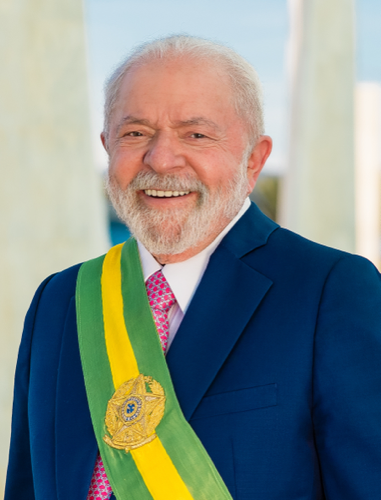
Luiz Inacio Lula da Silva remains Brazil's sitting president as of 2026, maintaining significant political influence despite emerging electoral challenges from the Bolsonaro family faction.
Przeczytaj pełny raportPokaż mniej
Current Presidential Status and Influence
Lula continues serving as President of Brazil following his 2023 inauguration, holding an influence score of 100 out of 100 according to geopolitical tracking metrics. His administration has faced considerable domestic and regional policy challenges across economic management, judicial reform, and environmental governance. The Brazilian political landscape remains deeply polarized between Lula's left leaning coalition and right wing opposition forces, a dynamic that has persisted since his initial return to electoral politics after his 2018 imprisonment conviction was annulled.
Emerging Electoral Pressures and Opposition Consolidation
Recent polling data indicates significant competitive pressure on Lula's political standing heading into potential 2026 electoral cycles. A Datafolha poll showed Flavio Bolsonaro slightly ahead of Lula in Brazil runoff scenarios, reflecting the right wing's successful consolidation around the Bolsonaro family political machine. The third place finisher in Brazilian elections subsequently endorsed Bolsonaro for runoff matchups against Lula, demonstrating how fractured opposition forces are reorganizing into unified anti Lula voting blocs. This represents a notable shift from Lula's 2022 victory, when he narrowly defeated incumbent Jair Bolsonaro.
Geopolitical Intelligence Tracking and Signal Assessment
GeoGazet tracking has compiled 100 total tracked events related to Lula and Brazilian political developments in 2026, providing substantial data density on his administration's activities and opposition dynamics. These signals document the consolidation of right wing political movements, polling fluctuations, and elite defections that collectively indicate weakening electoral prospects compared to Lula's 2022 position. The tracking reveals organized opposition strategy rather than fragmented resistance, suggesting the Bolsonaro faction has developed more sophisticated political organization and messaging coordination.
Strategic Implications for Brazil's Governance
Lula's continued presidency demonstrates institutional resilience despite electoral vulnerability, as the sitting president retains executive authority, appointment powers, and control over federal resources. However, the polling evidence and opposition consolidation suggest his path to electoral victory in any 2026 runoff scenario would be significantly narrower than his 2022 margin. The political balance reflects Brazil's deep ideological divisions regarding governance philosophy, judicial independence, democratic institutions, and economic policy direction. Lula's ability to deliver tangible economic improvements, manage inflation, and address public security concerns will likely determine whether his influence translates into electoral success or whether the Bolsonaro opposition succeeds in recapturing executive power through consolidated right wing mobilization.