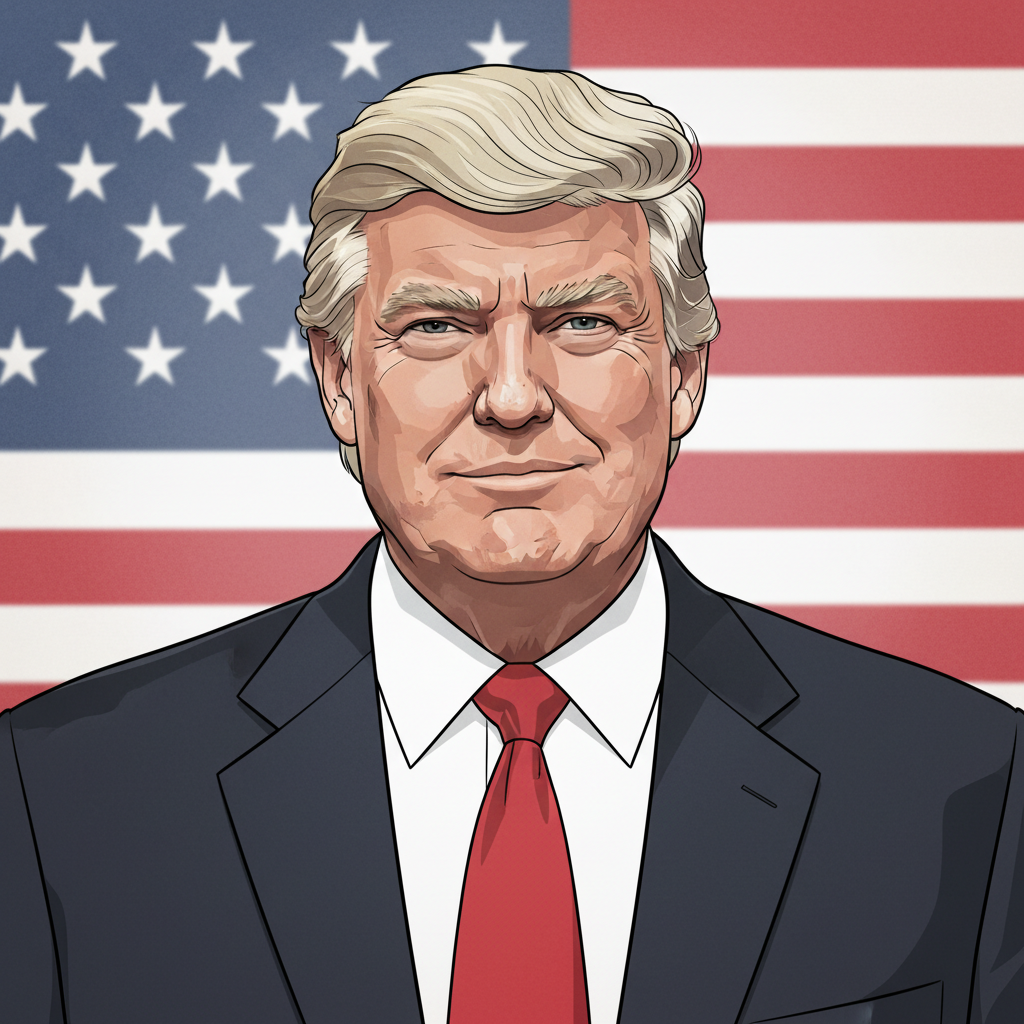
Current Status and Geopolitical Influence
Donald Trump currently holds a significant "Current influence score: 100/100," indicating his substantial impact on political discourse and future policy considerations, despite not holding executive office. Analysis of his "Top connections by signal volume" reveals strong links to "Iran (19 tracked signals)," "United States (13 tracked signals)," and "Peace & Ceasefire (8 tracked signals)." These connections suggest his ongoing relevance to issues of international security and his historical emphasis on de-escalation and negotiated settlements. His past administration often prioritized bilateral deals and a transactional approach to foreign policy, aiming to reduce perceived US entanglements while asserting American interests, a stance that consistently influences current geopolitical discussions about conflict resolution.
Recent Activities and Policy Footprint
Recent signals from GeoGazet tracking highlight actions stemming from his past administration or his current political position rather than direct engagement with an ongoing war. Specifically, the signals "Trump Administration Rolls Back Part of Anthropic Model Ban" and "Trump administration partially lifts Anthropic’s AI export ban" refer to policy adjustments made during his time in office. These actions, impacting critical technology export controls related to artificial intelligence, demonstrate a focus on national security and economic competitiveness through regulatory means. While not directly related to military operations, such policies have significant long-term geopolitical implications for technological leadership and international relations. Furthermore, the signal "Warren tells Trump to 'sign the damn bill' as bipartisan housing package remains stalled in Washington" illustrates his continued political sway as a non-incumbent, influencing domestic legislative processes, rather than directly intervening in global conflicts. This signal indicates his current engagement, as tracked, is focused on internal political dynamics.
Historical Context and Future Implications
Throughout his presidency, Donald Trump often advocated for negotiated peace settlements and questioned the efficacy of prolonged military interventions. His administration pursued a strategy of withdrawal from Afghanistan, brokered the Abraham Accords in the Middle East, and engaged in direct diplomacy with North Korea. These actions underscored his stated preference for achieving "peace deals," which aligns with the "Peace & Ceasefire" signals in GeoGazet tracking. This approach, which sometimes diverged from traditional US foreign policy, remains a significant reference point for understanding his potential future actions regarding current conflicts. The total "Total tracked events in GeoGazet graph: 100" also reflects the broad scope of his past and ongoing geopolitical relevance.
What to Watch For Next
As Donald Trump remains a prominent figure in American politics, observers should monitor his public statements regarding major international conflicts such as those in Ukraine or the Middle East. His campaign rhetoric will likely outline specific strategies for de-escalation or resolution, which could significantly impact global stability should he return to office. Attention should also be paid to any shifts in his signal volumes, particularly concerning "Peace & Ceasefire" or specific nation-state connections, as these could indicate evolving priorities or intentions regarding global conflicts.