When Does Vladimir Putin's Term EndTerm ends: 2030
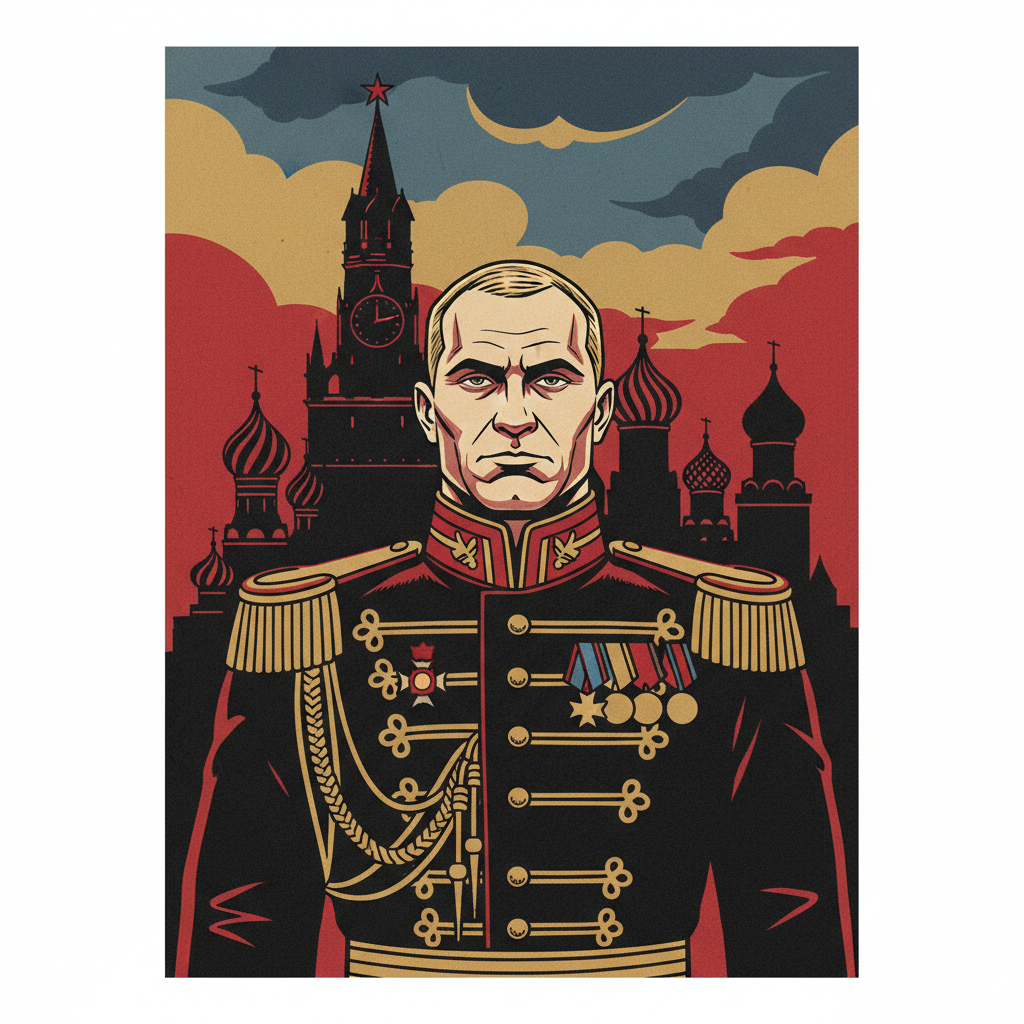
No departure date is set, but succession is being discussed in the press.
Term ends: 2030.
Putin is 74.
Last checked October 24, 2026.
Read the full reportShow less
Current Term and Constitutional Position
Putin has served as President of Russia since 2012, with his latest term beginning in 2024 and concluding in 2030. The 2020 constitutional amendments removed term limits that previously would have required him to leave office, instead resetting his count and permitting additional consecutive terms. This constitutional change directly enables Putin to potentially remain in power beyond 2030 should he choose to run again.
Active Governance and Current Influence
As of 2026, Putin maintains maximum influence in Russian affairs with a tracked influence score of 100 out of 100. The primary focus of his administration remains the ongoing conflict with Ukraine, reflected in 42 tracked signals from that country compared to 61 from Russia itself. Recent developments underscore active governance: Ukrainian President Zelenskyy has signaled readiness for US backed talks with Russia, while Russian military operations continue, including drone strikes on Kyiv infrastructure during high profile diplomatic visits. Simultaneously, peace negotiation channels involving the United States are exploring frameworks that could include major economic components such as multi billion dollar energy sector deals.
Domestic and International Context
Putin's political position remains unchallenged within Russia's formal institutions. His dominance across tracked geopolitical signals, with Germany representing the third highest signal volume at 11 tracked events, reflects Russia's central role in European security calculations. The constitutional mechanism that permits future terms means Putin faces no automatic expiration of his political eligibility after 2030, distinguishing his situation from term limited systems in other democracies.
Succession and Strategic Uncertainty
While Putin's 2030 term end is constitutionally fixed, the question of succession remains strategically significant. The revised constitutional framework creates formal space for Putin to continue beyond 2030, but actual succession timing will depend on Putin's own political calculations, domestic stability factors, and international circumstances. No clear successor has been publicly positioned, and the concentration of decision making authority around Putin means his personal choices regarding retirement or continuation remain determinative for Russia's leadership transition.