How Much Money Did Warren Buffett Start Out with≈ $140 billion
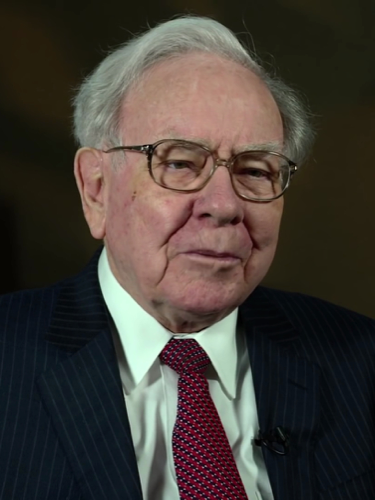
The latest reputable estimate puts Warren Buffett's net worth at about $140 billion, published September 4, 2026, according to Yahoo Finance.
Published estimates ranged $140 billion to $169 billion between June 9, 2026 to September 4, 2026 (historical, different dates — not today's uncertainty).
This is an estimate tied mostly to Berkshire Hathaway: it moves with the share price and is not cash in the bank.
Diperiksa terakhir 4 November 2026.
Bagaimana ini disahkan
GeoGazet mengumpul anggaran nilai bersih yang diterbitkan baru-baru ini daripada pelbagai saluran. Satu angka ditunjukkan hanya apabila sekurang-kurangnya dua sumber bersetuju atau penjejak yang berwibawa (Forbs, Blumberg) melaporkannya. Tajuk utama ialah anggaran terbaharu daripada sumber yang boleh dipercayai, ditunjukkan sebagai satu sumber, angka dan tarikh. Setiap baris menyatakan sama ada tarikh itu ialah tarikh penilaian sendiri sumber atau tarikh penerbitan artikel. Peraturan nilai terpencil: mana-mana angka di bawah 0.4 kali atau di atas 2.5 kali median anggaran terbaharu akan digugurkan. Julat itu adalah rentang anggaran yang diterbitkan pada masa lalu pada tarikh yang berbeza, bukan ukuran ketidakpastian tentang angka hari ini.
Baca laporan lengkapTunjukkan kurang
Early Capital and Childhood Investments
Buffett accumulated his first $9,800 through various employment ventures as a child, including newspaper delivery routes and selling chewing gum and Coca Cola products door to door. He made his first stock purchase at age 11, buying three shares of Cities Service preferred stock for $38.25 per share. This modest beginning reflected both the economic constraints of the 1940s and Buffett's early disciplined approach to capital accumulation. By age 14, he had accumulated approximately $1,200 from his newspaper delivery route, demonstrating the compounding effect of consistent work and frugal habits.
Growth Through Partnership Formation
Buffett expanded his capital base significantly through his early career, forming partnerships with associates to invest pooled resources. In 1956, he established Buffett Partnership Ltd. with $105,100 in initial capital contributed by seven limited partners and Buffett himself. This partnership structure allowed him to leverage his investment acumen with larger pools of capital than he could accumulate independently. By 1965, when he directed the partnership to acquire Berkshire Hathaway, the partnership had grown to manage approximately $25 million.
Transition to Berkshire Hathaway
Buffett took control of Berkshire Hathaway in 1965 as a struggling New England textile manufacturer, then methodically transformed it into a diversified investment holding company. His disciplined capital allocation strategy, combined with his ability to identify undervalued businesses, generated compounding returns that far exceeded market averages. Recent market performance reflects his continued influence over the company he has led since 1970, with Berkshire Hathaway shares up 11 percent this year as noted in current market analysis. His influence score of 38 out of 100 reflects his ongoing centrality to major investment decisions across diverse sectors.
Contemporary Relevance and Investment Philosophy
Buffett remains actively engaged in capital allocation decisions at Berkshire Hathaway, with current market commentary addressing how he would approach deteriorating positions in major holdings like Nike, which traded down 38 percent during 2026. His early experience accumulating capital through disciplined work and frugal living established principles that defined his entire investment career, emphasizing patient capital accumulation and compound returns. The transformation from a $9,800 initial stake to a portfolio worth hundreds of billions demonstrates the power of consistent investment discipline applied over decades. Berkshire Hathaway continues to track multiple investment opportunities across sectors, with media coverage identifying five best Buffett stocks with upside potential, showing how his early capital formation principles remain relevant to contemporary investment strategies.