블라디미르 푸틴 대 볼로디미르 젤렌스키
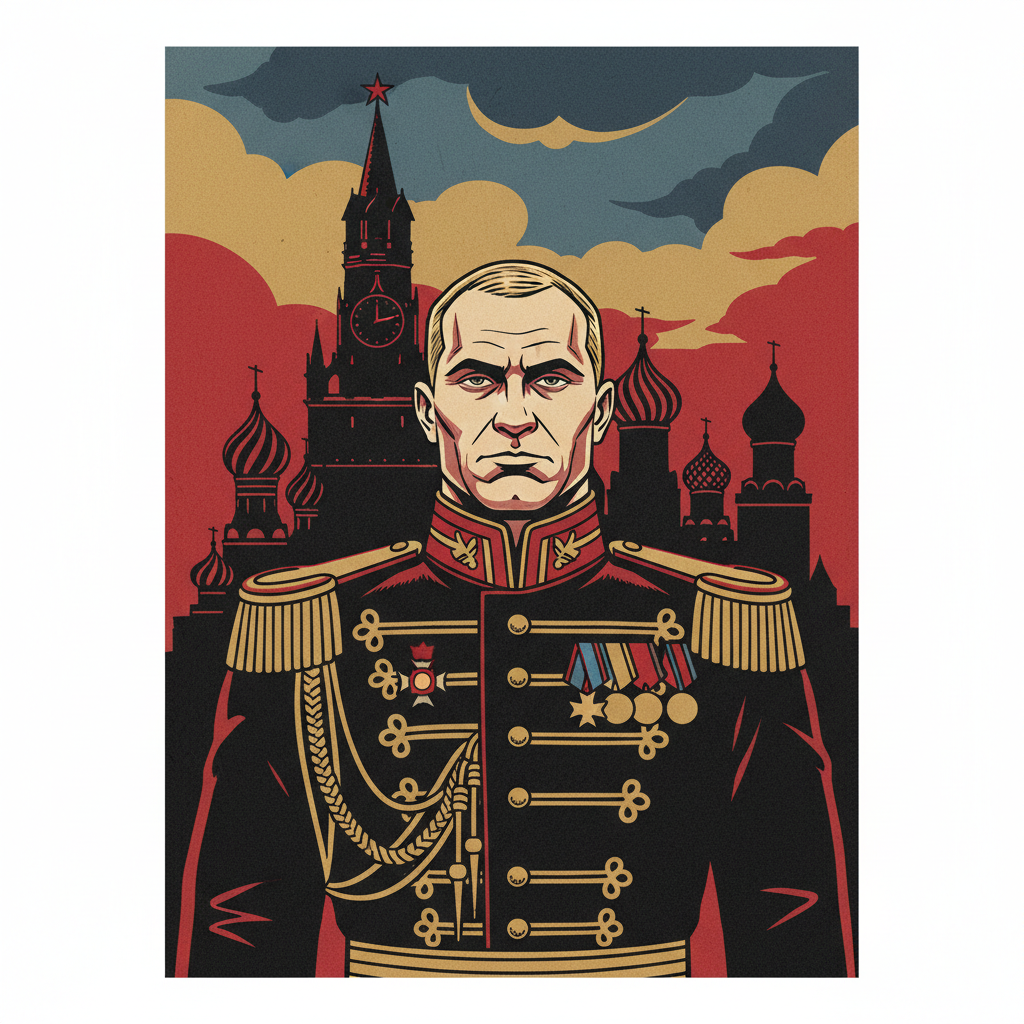
Putin and Zelensky are the sitting leaders of Russia and Ukraine respectively, locked in the defining geopolitical conflict of the 2020s.
Their positions, resources, and trajectories remain fundamentally opposed despite emerging signals of potential negotiation.
전체 보고서 읽기줄여서 보기
Current Terms and Tenure Security
Vladimir Putin holds the presidency of Russia with a term extending to 2030 after re-election in 2024. A constitutional change in 2020 permits him to run again in 2030, securing a potential path to continued rule into the 2030s. Volodymyr Zelensky has served as President of Ukraine since 2019, though his election cycle has been suspended under martial law. The scheduled 2024 election was postponed due to wartime conditions, with voting deferred until after the war concludes. This asymmetry in tenure security reflects the vastly different operational circumstances each leader faces.
The War as Defining Context
The Ukraine Russia conflict dominates both leaders' positions and constrains their political futures. Recent signals from tracking networks show "Russian drone slams into key Kyiv bridge during German chancellor's visit as Putin prepares mass military mobilization," indicating sustained offensive operations and no near term ceasefire. Simultaneously, Zelensky has signaled openness to negotiations, with reports that "Ukraine ready for US backed talks with Russia: Zelenskyy" circulating through diplomatic channels. Putin maintains control of Russian state apparatus, military resources, and a domestic information environment that limits domestic political pressure. Zelensky operates under existential military threat while dependent on Western military and financial support, constraining his negotiating leverage.
Emerging Negotiation Signals
Both leaders face pressure toward settlement despite military posturing. U.S. mediation efforts are expanding in scope, with reporting that "U.S. peace negotiations with Russia could now involve multi-billion dollar Lukoil deal, NYT reports," suggesting economic incentives are being structured into potential frameworks. Zelensky has publicly indicated readiness for talks, though territorial and security guarantees remain core sticking points. Putin has shown tactical flexibility in diplomatic channels while maintaining offensive military operations, a dual track approach that preserves options. Neither leader currently faces insurmountable domestic political obstacles to a negotiated settlement, though terms acceptable to each remain contested.
Strategic Trajectory and Influence
Putin commands greater immediate geopolitical influence through control of military force, nuclear arsenal, and energy resources. His re election to 2030 provides institutional continuity for long term planning. Zelensky operates from a position of territorial vulnerability but retains crucial Western backing and substantial international legitimacy as a defender against invasion. The conflict's resolution will determine both leaders' legacies and subsequent political viability. Current tracking data shows 100 total logged events across both leaders, with Russian signals dominating at 61 versus Ukrainian at 42, reflecting Moscow's active military posture. Both leaders face a critical window in which negotiation or prolonged conflict will reshape Eastern European geopolitics fundamentally.