Bill Gates 2026 Net Worth
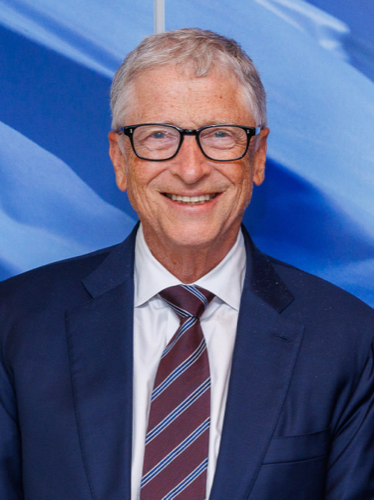
최신 신뢰할 수 있는 추정에 따르면 빌 게이츠의 순자산은 약 94.9 십억 달러이며, 2026년 10월 6일에 블룸버그에서 발표했습니다.
Published estimates ranged $65 billion to $104 billion between June 12, 2026 to October 6, 2026 (historical, different dates — not today's uncertainty).
이는 주로 마이크로소프트와 그의 투자 보유 자산과 연결된 추정치입니다: 주가와 함께 움직이며 은행 계좌의 현금이 아닙니다.
Last checked October 18, 2026.
이것이 어떻게 확인되는지
GeoGazet는 여러 매체의 최근 발표된 순자산 추정치를 수집합니다. 최소 두 출처가 동의하거나 권위 있는 추적기(포브스, 블룸버그)에서 보도할 때만 수치가 표시됩니다. 헤드라인은 평판 있는 출처의 최신 추정치로, 단일 출처, 수치 및 날짜로 표시됩니다. 각 행은 날짜가 출처 자신의 평가 날짜인지 기사 발행 날짜인지를 나타냅니다. 이상치 규칙: 최근 추정치 중앙값의 0.4배 미만 또는 2.5배 초과인 수치는 제거됩니다. 범위는 서로 다른 날짜의 과거 발표된 추정치의 범위이며, 오늘 수치의 불확실성을 나타내는 척도가 아닙니다.
전체 보고서 읽기줄여서 보기
Current Wealth Composition and Holdings
Gates has maintained his position among global billionaires through diversified asset holdings beyond his original Microsoft stake. The Gates Foundation, established in 2000, controls approximately 50 billion dollars in assets dedicated to global health, development, and education initiatives. His personal investment portfolio includes significant real estate holdings, agricultural land across North America, and stakes in renewable energy ventures. Gates has gradually reduced his Microsoft shareholding over decades, transitioning to foundation work and independent investing since stepping down from Microsoft operations in 2014.
Influence in Global Health and Climate Discussions
Gates currently holds an influence score of 21 out of 100 according to geopolitical tracking metrics, reflecting his significant but contested voice in international policy debates. Recent public discourse surrounding Gates has centered on his positions regarding artificial intelligence and technological solutions to global problems. A recent article titled "Bill Gates diagnoses problems with AI, but an expert questions his prescription" illustrates ongoing debate about his policy recommendations and their scientific basis. His foundation has invested billions in vaccine development, pandemic preparedness, and climate adaptation, though his prescriptive approach to solving complex problems occasionally draws criticism from experts in relevant fields.
Foundation Activities and Energy Sector Engagement
The Gates Foundation has expanded its focus on energy access and climate resilience, particularly in developing nations. Recent geopolitical tracking documented "Solar power booms in Philippines as war on Iran spikes energy costs," highlighting how global energy markets directly affect the foundation's work in emerging economies. Gates and his foundation have championed renewable energy investments, particularly solar technology deployment in countries with limited electricity access. The foundation has committed substantial resources to agricultural innovation and food security in regions vulnerable to climate disruption and energy price volatility.
자산 궤적 및 향후 고려 사항
Gates has pledged to give away the majority of his wealth to the foundation, announcing plans to increase annual foundation spending from approximately 6 billion dollars to 9 billion dollars by 2026. This commitment aligns with his stated intention to eventually become one of the world's least wealthy billionaires. His net worth fluctuates based on Microsoft stock performance, investment returns, and currency valuations, particularly given his international asset holdings. Over 100 tracked geopolitical events involving Gates have been documented in recent monitoring, demonstrating his persistent relevance in discussions about global health, technology, and development policy despite his reduced formal institutional roles.