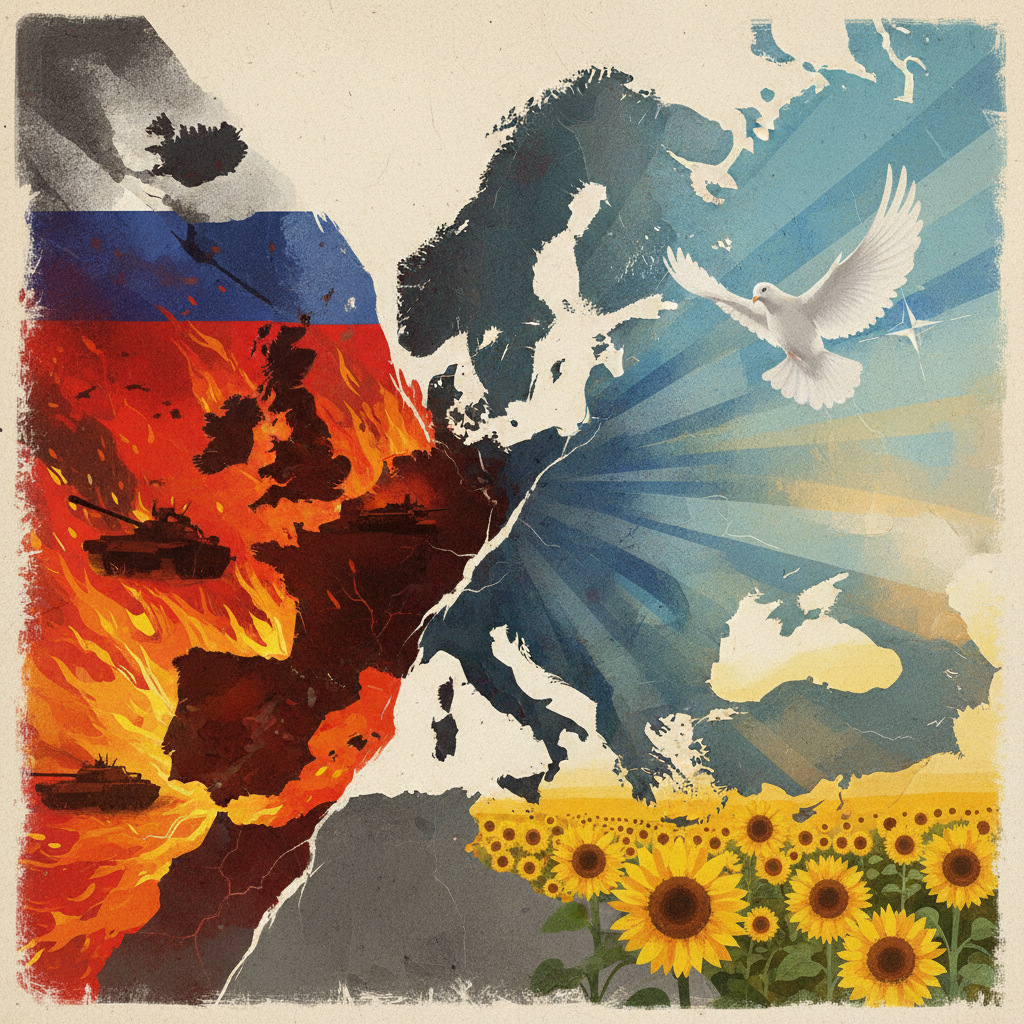
Roots of the Conflict
The genesis of the current conflict lies in the complex post-Cold War geopolitical landscape. Following the collapse of the Soviet Union in 1991, Ukraine declared independence, embarking on a path towards greater integration with Western institutions, including the European Union and potentially NATO. Russia, however, views NATO expansion eastward as an existential threat to its security, despite the defensive nature of the alliance. Historical comparisons often draw parallels to Cold War proxy conflicts, with Russia seeking to establish a buffer zone against perceived Western encroachment.
Tensions significantly escalated in 2014 when Russia annexed Crimea following a pro-Western revolution in Ukraine and subsequently supported separatist movements in the Donbas region, sparking an eight-year low-intensity conflict. These actions demonstrated Russia's determination to maintain its influence and prevent Ukraine's full alignment with the West, laying the groundwork for the full-scale invasion launched in February 2022.
Geopolitical Dynamics and Ongoing Resistance
The current geopolitical situation reflects a global confrontation with far-reaching implications. Live data indicates the conflict holds a current influence score of 100/100, underscoring its paramount global significance. Analysis of signal volume further highlights the key actors and operational foci: Ukraine registers 79 tracked signals, Russia 78 tracked signals, and Missiles & Strikes accounts for 11 tracked signals, reflecting the constant military engagement. The total tracked events in the GeoGazet graph stand at 100, illustrating the extensive scope of this conflict.
Ukrainian resistance has been a critical factor, continuously challenging Russian objectives. Recent signals from GeoGazet tracking highlight this resilience, including reporting on "The Warrior-Witches of Ukraine’s Resistance," which speaks to the widespread and multifaceted nature of the Ukrainian defense effort. Ukrainian forces are actively engaging in counter-operations, as evidenced by GeoGazet tracking that "Ukrainian attacks prompt Russian-held Crimea to halt civilian gasoline sales." This demonstrates Ukraine's capacity to disrupt Russian logistics and operations in occupied territories. Further, GeoGazet tracking reports that "Ukraine strikes hit oil facilities in Crimea, Russia’s Krasnodar," indicating a sustained effort to target Russian strategic assets.
Outlook
The reasons for the Ukraine war are multifaceted, rooted in historical grievances, geopolitical competition, and Russia's assertive foreign policy aimed at reversing post-Cold War changes. The ongoing conflict demonstrates a determined Ukrainian effort to defend its sovereignty against Russian aggression. What to watch for next includes the duration and intensity of Ukrainian counter-offensives, the effectiveness of Western military and financial aid, internal stability within Russia, and potential shifts in global alliances as the war continues to reshape international relations. The path towards any resolution remains highly uncertain.