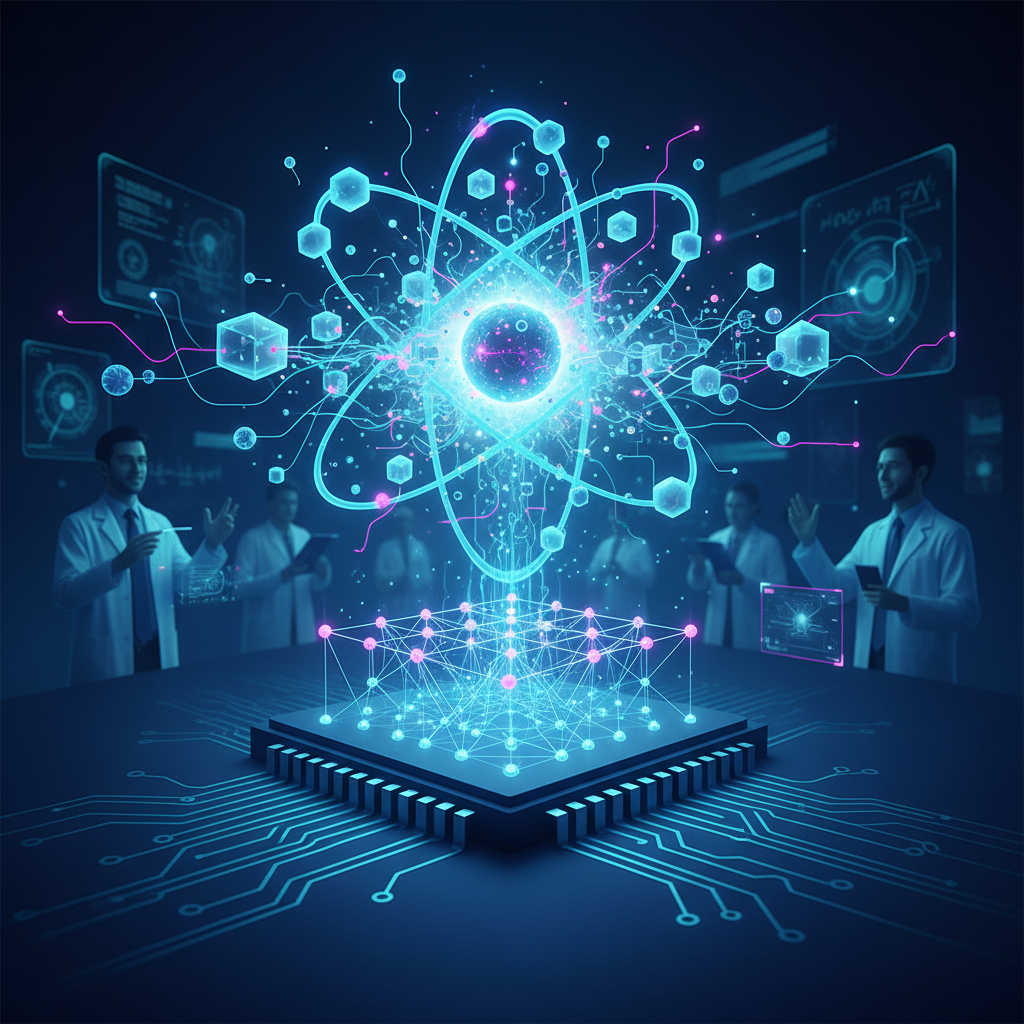
Beyond Bits: How Quantum Computing Works
Classical computers, such as smartphones and laptops, store information as bits, which represent either a 0 or a 1. Quantum computers, however, utilize "qubits," which can represent a 0, a 1, or both simultaneously through a phenomenon called superposition. This state allows qubits to store and process exponentially more information than classical bits. Additionally, qubits can become "entangled," meaning their fates are linked regardless of distance, enabling complex calculations that leverage these interconnected quantum states. This capacity means quantum computers are not merely faster versions of existing machines but possess the potential to tackle problems like drug discovery, materials science, advanced cryptography, and artificial intelligence with unprecedented efficiency. These capabilities explain its current influence score of 56 out of 100, indicating a substantial and growing impact across global sectors.
Geopolitical Race and Strategic Investment
The development of quantum computing is not merely a scientific endeavor; it is a geopolitical race reminiscent of the space race of the mid-20th century or the early internet era. Nations and major corporations are investing heavily, recognizing quantum supremacy as a critical component of future national security and economic power. GeoGazet tracking indicates 100 total tracked events related to quantum computing, signaling robust global activity. The United States leads in signal volume with 8 tracked signals, demonstrating a clear strategic focus. For instance, GeoGazet tracking reveals headlines such as "From Executive Order to Execution: Inside DOE’s Quantum Genesis Initiative," highlighting significant government-backed efforts. Further evidence of this commitment is seen in "The U.S. Government Is Betting Billions on Quantum Computing. These 3 Stocks Are the Biggest Winners," underscoring substantial financial investment into the private sector.
China also demonstrates significant interest, registering 4 tracked signals, indicating its concerted push to catch up or surpass Western quantum capabilities. The implications for cryptography are particularly acute; quantum computers could potentially break many current encryption methods, creating a new arms race in cybersecurity. This concern is reflected in the 4 tracked signals related to Crypto & Bitcoin, indicating the dual-use nature of quantum technology both as a threat and a potential solution for secure communication. Recent advancements, such as those highlighted in "The Conversation: A New Quantum Computer Sets a High Watermark For Accuracy – Are We on The Verge of a Big Breakthrough?", suggest that the field is rapidly progressing beyond theoretical promise into tangible development.
What to Watch For Next
The immediate future of quantum computing will likely involve continued advancements in error correction, scalability, and the development of stable qubits. Analysts should monitor the escalating investments by nation-states and technology giants, recognizing that breakthroughs in this domain will have profound implications for global power dynamics, economic leadership, and the fundamental security of digital communications. The race to achieve "quantum advantage"—the point where a quantum computer performs a task provably faster than any classical computer—remains a key milestone, signaling a new era of computational capability.