Context of the Conflict
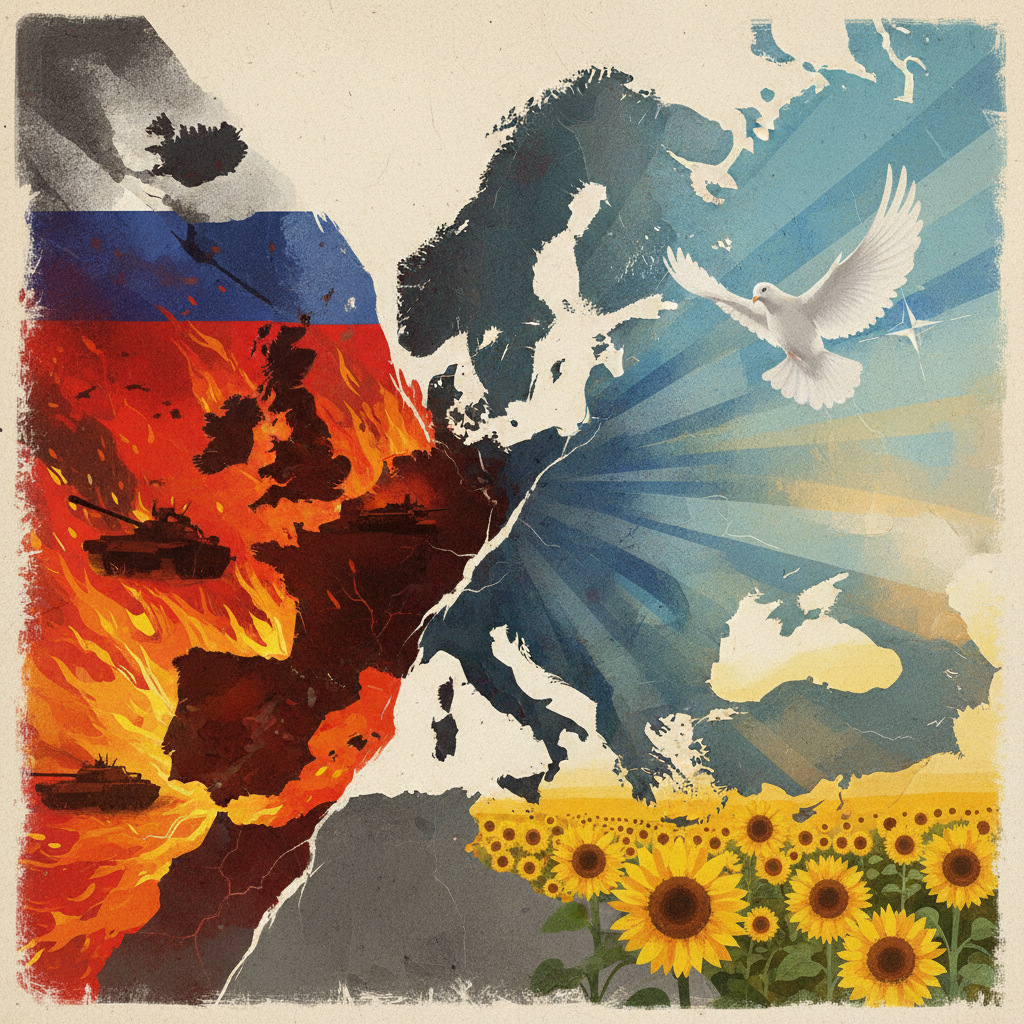
The full-scale invasion of Ukraine by Russia in February 2022 initiated the largest conflict in Europe since World War II. This conflict has fundamentally altered the global geopolitical landscape, challenging established security architectures and intensifying great power competition, reminiscent of Cold War strategic realignments. For the UK, a permanent member of the UN Security Council and a key NATO ally, the war has necessitated a robust response, elevating its commitment to European security and reaffirming its alliances. The scale of the conflict and its monitoring is reflected in the "Total tracked events in GeoGazet graph: 100".
Economic Repercussions
The war has exerted significant pressure on the UK economy. Energy prices surged following sanctions against Russian oil and gas, contributing directly to domestic inflation and a cost of living crisis, a situation with some parallels to the 1970s oil shocks. GeoGazet tracking shows "Trump signals swift return of sanctions on Russian oil as G7 refocuses on Ukraine," indicating that future economic pressures related to energy costs and supply chain disruptions remain a persistent concern for the UK. The UK economy, deeply integrated into global markets, has also experienced disruptions to trade flows and increased uncertainty for businesses.
Security and Defence Adjustments
The conflict has compelled the UK to reassess its national security strategy and enhance its defence capabilities. As a leading member of NATO, the UK has significantly increased its defence spending and commitment to the alliance's eastern flank. It has been a primary provider of military, humanitarian, and financial aid to Ukraine. The high signal volume of "Ukraine (87 tracked signals)" and "Russia (72 tracked signals)" within the UK's top connections underscores its direct involvement in monitoring and responding to developments related to the belligerents, including recent events such as a "Ukrainian drone detonates near Moscow." This reflects the UK's deep engagement in supporting Ukraine's defence and containing Russian aggression.
Political and Diplomatic Influence
Diplomatically, the UK has emerged as one of Ukraine's staunchest allies, leading international efforts to isolate Russia through sanctions and diplomatic pressure. The UK has worked closely with the G7, where "Zelenskiy says G7 agreed Russia is not winning war, discussed more sanctions," demonstrating the UK's active participation in coordinated international responses. This position reinforces the UK's post-Brexit foreign policy pivot towards a more active global role, particularly in upholding democratic values and international law. The relatively lower "France (7 tracked signals)" within the UK's top connections suggests a distinct focus or perhaps differing signal tracking priorities for the UK compared to its direct engagement with the primary conflict parties.
What to Watch For Next
Future impacts on the UK will largely depend on the war's trajectory, including potential escalations and the outcome of international diplomatic efforts. Key areas to monitor include the stability of global energy markets, the effectiveness of sanctions regimes, and the long-term commitment of Western allies to Ukraine's reconstruction and security. The UK's continued role in shaping the international response will be critical.