イラン核協議が重要である理由
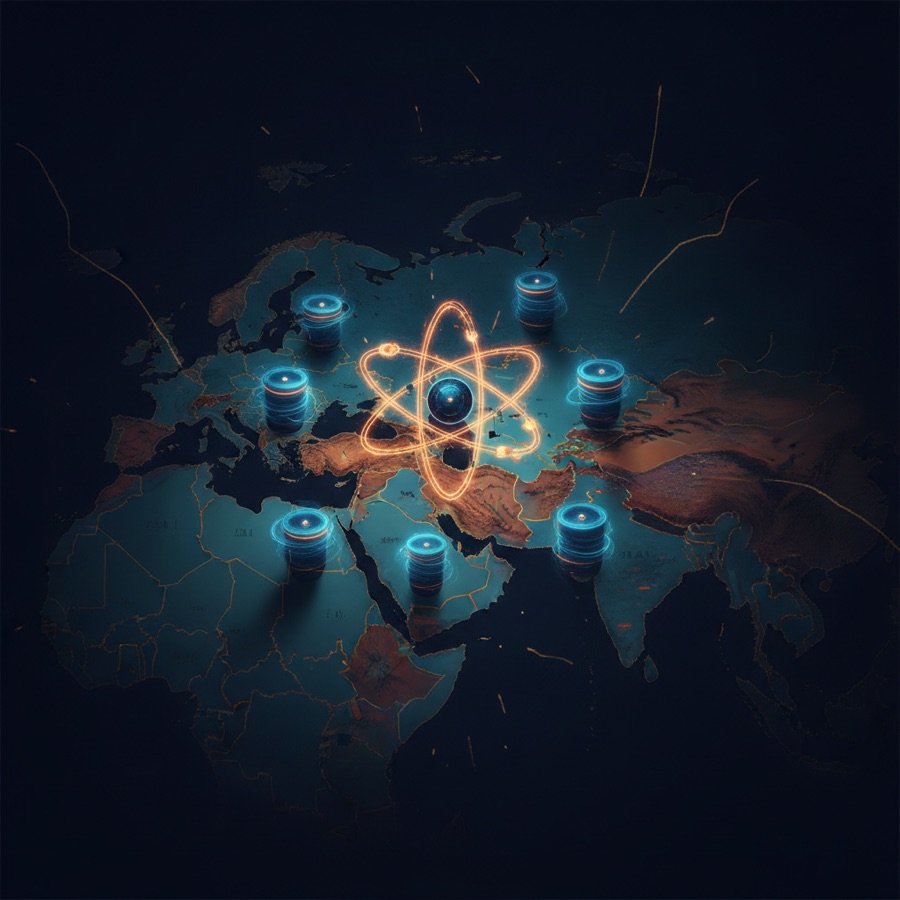
The Iran nuclear deal limits Iran's uranium enrichment and provides international inspections to prevent nuclear weapons development, making it central to Middle East stability and US foreign policy since 2015.
完全なレポートを読む表示を減らす
What the Deal Actually Does
The Joint Comprehensive Plan of Action (JCPOA), signed in July 2015 by Iran, the United States, Russia, China, France, Germany, and the European Union, constrains Iran's nuclear program through specific technical limits. Iran agreed to reduce its uranium enrichment to 3.65 percent purity, down from weapons grade levels, and to maintain only limited stockpiles subject to international inspection. The International Atomic Energy Agency gained unprecedented access to Iranian nuclear facilities, including military sites suspected of hosting weapons research. These restrictions extend Iran's theoretical timeline to produce a nuclear weapon from several months to over one year, buying time for diplomacy and providing early warning of violations.
Why Regional Stability Depends on It
The nuclear deal directly affects military posturing across the Middle East. When the United States withdrew from the JCPOA in May 2018 under the Trump administration, Iran resumed higher enrichment levels and accelerated its program, prompting increased US military presence in the region. Recent geopolitical tracking data shows 80 tracked signals connected to Iran in the current network, with military operations dominating activity patterns. The USS Lincoln returned to San Diego Bay after a long deployment supporting operations related to Iran tensions, illustrating the continuous military commitment required when the deal faces collapse. Without the agreement's inspections and limits, regional powers including Saudi Arabia, Israel, and the United Arab Emirates face pressure to develop their own nuclear capabilities or conduct preemptive strikes against Iranian facilities.
Economic and Sanctions Architecture
The deal tied nuclear compliance directly to economic sanctions relief worth billions of dollars annually to Iran's economy. In exchange for meeting enrichment limits and inspection requirements, the United States and European powers lifted sanctions on Iran's oil exports, banking sector, and international trade. Iran's oil production increased from approximately 2.5 million barrels per day under maximum sanctions to over 4 million barrels daily at the deal's peak. This sanctions relief mechanism proved fragile; the 2018 US withdrawal reimposed penalties, contracting Iran's economy and removing incentives for continued compliance. Rebuilding trust in sanctions relief as an enforcement tool has proven difficult, complicating any path to renewed agreement.
Current Status and Ongoing Risk
As of 2026, the JCPOA remains unsigned by the United States, which withdrew unilaterally eight years ago. Iran has responded by abandoning most enrichment limits and expanding uranium stockpiles beyond deal thresholds, though IAEA inspections continue at reduced capacity. The deal remains important precisely because its collapse created the current instability; reinstating it would require all parties to restore confidence in verification mechanisms and sanctions enforcement. Without a nuclear agreement, the Middle East faces sustained military mobilization and elevated risks of miscalculation or escalation.