ドナルド・トランプ対シー・ジンピン
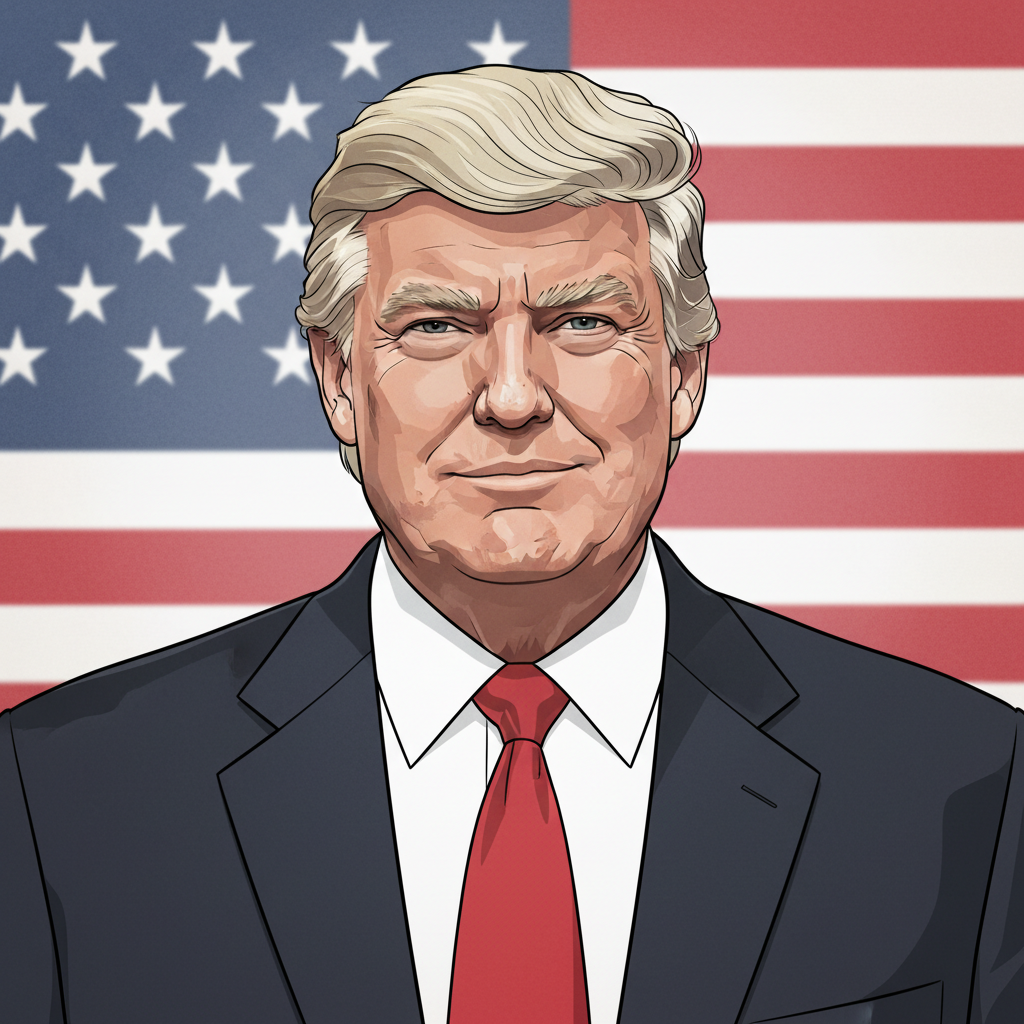
Trump and Xi represent the two most powerful executives in the world as of 2026, each operating within fundamentally different political systems with opposing strategic interests in economics, technology, and regional security.
完全なレポートを読む表示を減らす
Current Position and Constitutional Constraints
Donald Trump is President of the United States, serving since January 2025 in his second and final term, which runs through January 2029. The 22nd Amendment bars a third term, making this his last opportunity to hold executive power. Xi Jinping is President of China and General Secretary of the Communist Party, a role he has held since 2013 with no term limits. Xi removed presidential term restrictions in 2018, positioning himself for indefinite tenure contingent on maintaining Communist Party support.
Influence and Global Footprint
Both leaders score at maximum influence levels in geopolitical tracking systems, with connections spanning elections, major powers, and regional conflicts. Trump faces active domestic political challenges from within his own party. Recent signals show Sen. Kennedy, age 74, floating a 2028 presidential bid if "a bunch of goobers run," directly positioning himself as an alternative to Trump within Republican ranks. House Democrats are simultaneously "reaching to flip Trump districts in attempt to repeat their 2018 sweep," indicating sustained congressional opposition through the 2026 midterms and beyond. Xi faces no comparable domestic electoral threat, though the next Communist Party Congress is due in 2027, when factional consensus around his continued leadership will be tested among party elites.
Strategic Rivalry and Economic Conflict
The Trump administration has already moved to assert economic and technological dominance against China through tariffs, supply chain decoupling, and restrictions on advanced chip exports. The Biden administration laid groundwork for this competition, but Trump has escalated it sharply. China's response involves deepening ties with Russia, Iran, and nations in the Global South while advancing domestic semiconductor and renewable energy capabilities. Trade disputes dominate the signal tracking between the two powers, with 16 tracked signals tied to elections suggesting that tariff policy and China trade remain central to Trump's 2028 campaign messaging.
Trajectory Through 2028 and 2029
Trump must navigate Republican primary dynamics, manage congressional opposition, and deliver on campaign promises to secure party unity through November 2028. Xi must secure reaffirmation at the 2027 Party Congress while managing domestic economic slowdown and regional tensions in the Taiwan Strait and South China Sea. Trump's second term ends in January 2029, creating a transition point where China policy could shift depending on his successor. Xi operates with no fixed endpoint, giving him structural advantage in long term strategic planning. Both leaders will shape the outcome of the 2028 U.S. election and the 2027 Communist Party Congress as defining events of this period.