誰がアブドゥルファッターハ・アッシーシに取って代わることができるのか
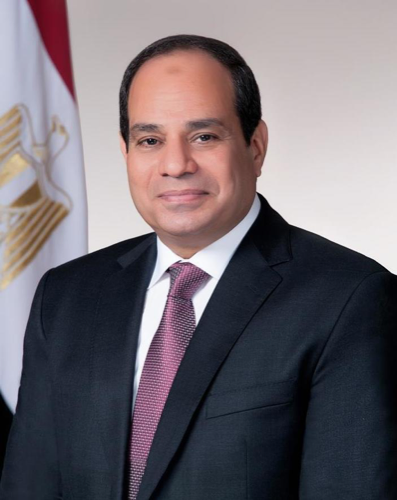
El Sisi remains Egypt's president through 2030 under constitutional amendments passed in 2019.
Succession planning remains opaque, with no obvious heir apparent emerging from Egypt's military or civilian institutions.
2019年の憲法改正により大統領任期が延長され、2030年まで任期を務めることが認められた。
完全なレポートを読む表示を減らす
Current Presidential Term and Constitutional Framework
Abdel Fattah el Sisi has served as President of Egypt since 2014. A constitutional amendment in 2019 extended presidential terms from four to six years and reset his clock, positioning him to remain in office until 2030. This gives him nearly four more years in his current term, making any succession discussion premature in institutional terms. However, geopolitical pressures continue to mount on his administration across multiple fronts.
Regional Instability and Sisi's Grip on Power
Egypt faces mounting pressure from conflicts on its periphery. A recent joint declaration from four African leaders addressed the escalating war in Ethiopia and raised concerns about potential regional expansion of that conflict. Egypt's strategic position near the Red Sea and Suez Canal makes it vulnerable to spillover effects from Horn of Africa instability. Sisi's current influence score stands at 4 out of 100 in tracked geopolitical metrics, suggesting his leverage in regional affairs has narrowed considerably compared to his early presidency.
Domestic challenges compound these external pressures. A viral story about a man's miraculous catch saving a child after a balcony fall in Egypt surfaced in recent tracking data, reflecting public interest in human interest narratives rather than sustained engagement with governance issues. This suggests Egyptians remain focused on immediate daily concerns amid broader economic and security challenges that have characterized Sisi's tenure.
潜在的な後継経路
No clear successor has emerged within Egypt's military or civilian political structures. The security establishment that brought Sisi to power remains fragmented among competing factions, none of which has produced an obvious unifying figure. Egypt's civilian political parties remain marginalized, leaving military networks as the only plausible source of succession candidates. However, identifying specific individuals as potential replacements would require overstating the transparency of internal Egyptian elite deliberations.
The 2030 end date remains contingent on continued stability and Sisi's health. Constitutional amendments could theoretically extend his tenure further, as Egypt's institutional rules have repeatedly shifted to accommodate leadership preferences. Alternatively, unforeseen events, regional escalation, or internal military challenges could accelerate succession timelines beyond the current constitutional framework. With 100 tracked geopolitical events currently in monitoring systems and regional conflicts intensifying, the stability assumptions underlying the 2030 transition date merit continued attention.