ウラジーミル・プーチンはなぜまだロシアの大統領なのか
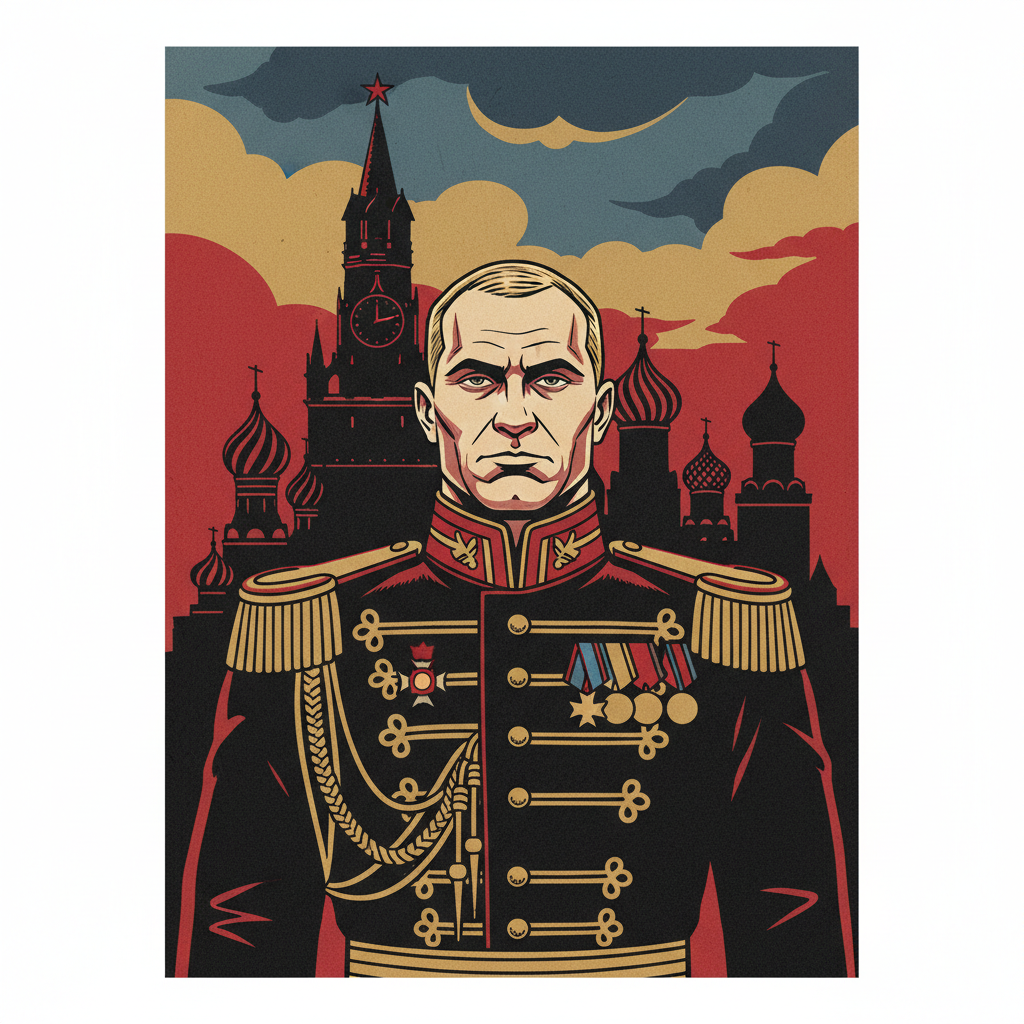
Vladimir Putin remains president of Russia because he has consolidated state power through control of security institutions, media, and electoral mechanisms that prevent meaningful political opposition.
His grip on the presidency reflects the centralized system he built after 2000.
完全なレポートを読む表示を減らす
Institutional Control and Succession Management
Putin altered Russia's constitutional framework to extend his tenure, most notably through amendments enabling him to run for additional terms through 2036. State institutions, particularly the FSB and security apparatus, remain loyal to his leadership. These structures have eliminated or neutralized rival power centers that might challenge his rule.
Ongoing Conflict and Domestic Positioning
The Ukraine war has consolidated Putin's domestic position by framing external threats and justifying centralized control. Recent geopolitical signal tracking shows 42 tracked signals connecting Putin to Ukraine conflict dynamics, reinforcing his role as the arbiter of Russian strategic interests. Public messaging around military operations and resource management maintains his political necessity within the state system he controls.