Lula Da Silva 2026 Presidential Campaign
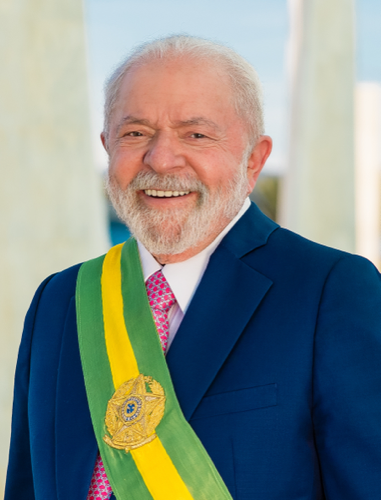
Luiz Inacio Lula da Silva is running for reelection as Brazil's president in 2026, leveraging an influence score of 90/100 and capitalizing on the Bolsonaro family's political collapse.
完全なレポートを読む表示を減らす
現在の政治的立場
Lula enters 2026 as the incumbent president, having assumed office in January 2023 after defeating Jair Bolsonaro in a contested 2022 election. His administration has consolidated power across Brazil's federal government and maintained control of key state governorships through allied parties. With 99 tracked geopolitical events tied to his presidency and policies, Lula has become the dominant political figure in Brazilian politics, overshadowing fragmented opposition forces that have struggled to organize since Bolsonaro's departure from office.
Bolsonaro Family Vulnerabilities
The Bolsonaro family's legal and political crisis has become Lula's single greatest electoral asset heading into 2026. Analysis indicates Brazil's Lula will reap significant gains from the Bolsonaro family flight, as multiple family members face federal investigations and potential prosecution for alleged corruption, money laundering, and attempted coup plotting. Bolsonaro himself remains barred from running for office until 2030 under Brazil's electoral code, eliminating the primary challenger who nearly defeated Lula four years earlier. This disarray among right wing factions has fractured opposition unity and left no clear alternative candidate capable of mobilizing the anti Lula vote effectively.
Coalition Building and Institutional Support
Lula's 2026 campaign operates from a position of institutional strength, with support from Brazil's Catholic voter bloc and strategic alliances across multiple political parties. Signals from tracking data note that Lula's 2023 win represented a win for Catholics, reflecting both his personal faith positioning and policy alignment with religious constituencies on social issues. His coalition encompasses center left and center right parties, labor unions, and regional governors, creating structural advantages in campaign financing and ground organization that challenger candidates cannot replicate. This broad institutional base provides stability that transcends individual policy debates or economic fluctuations.
Economic Context and Remaining Challenges
Lula's reelection prospects remain subject to Brazil's macroeconomic performance, particularly inflation rates, unemployment levels, and currency stability heading toward the October 2026 vote. His administration's fiscal policies and infrastructure investments have generated mixed results, with some sectors showing recovery while others remain stalled. However, without a credible opposition candidate articulating a coherent alternative economic vision, Lula maintains structural advantages in framing the economic narrative. The absence of a strong challenger means Lula can define the 2026 election on his own terms rather than as a referendum on his first term performance.