レジェプ・タイイプ・エルドアンの後任者は誰か
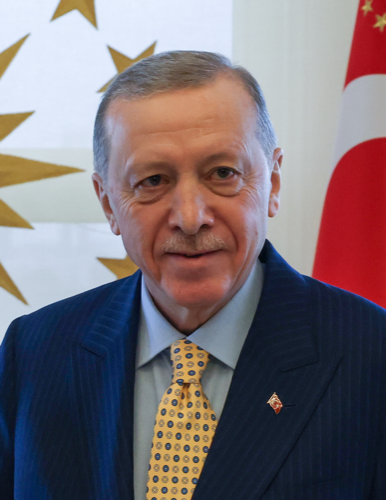
No successor to Erdogan is currently clear.
He remains in office until 2028, and Turkish constitutional rules severely limit who can replace him absent early parliamentary action or constitutional change.
2023年に再選され、2028年に終了する任期に就任。現在のルールでは、議会が早期選挙を召集しない限り、彼は再び立候補することはできない。
完全なレポートを読む表示を減らす
The Current Constitutional Window
Erdogan serves as Turkey's President through 2028 under his 2023 reelection. The constitution bars him from running again unless parliament calls an early election or amends the rules, neither of which appears imminent. This means succession decisions remain roughly two years away, and the political landscape that will shape them is still forming.
The Succession Mechanics
Turkey's next regular presidential election will occur in 2028. Any successor must emerge from the ruling Justice and Development Party (AKP) or from opposition parties, both of which face internal fragmentation. The AKP has not publicly designated a heir apparent, leaving multiple figures potentially in contention. Opposition parties remain organizationally weak after years of Erdogan dominance, making their elevation of a challenger uncertain.
Turkey's Expanding Regional Role
Recent analysis indicates Turkey is positioned to expand its influence as the United States signals a smaller Middle East footprint. Carney plans to visit Turkey this month, reflecting international attention to Turkish policy. Erdogan has maintained diplomatic flexibility by playing East and West simultaneously, winning room to maneuver that any successor would inherit. This elevated regional standing could become a central issue in 2028 succession politics, with candidates potentially competing over who best preserves Turkish autonomy and influence.
Timing and Uncertainties
The successor question remains genuinely open because Erdogan's term runs to 2028 and no constitutional mechanism currently exists to force early transition. Parliament could theoretically amend rules or call early elections, but no political force has mobilized around either option. The AKP's internal dynamics, opposition party recovery, and international pressure on Turkey's democratic institutions will all shape who emerges as a credible alternative by 2028. Current influence dynamics across the tracked geopolitical graph show Turkey at a pivotal moment, but the succession itself remains contingent on political events still unfolding.