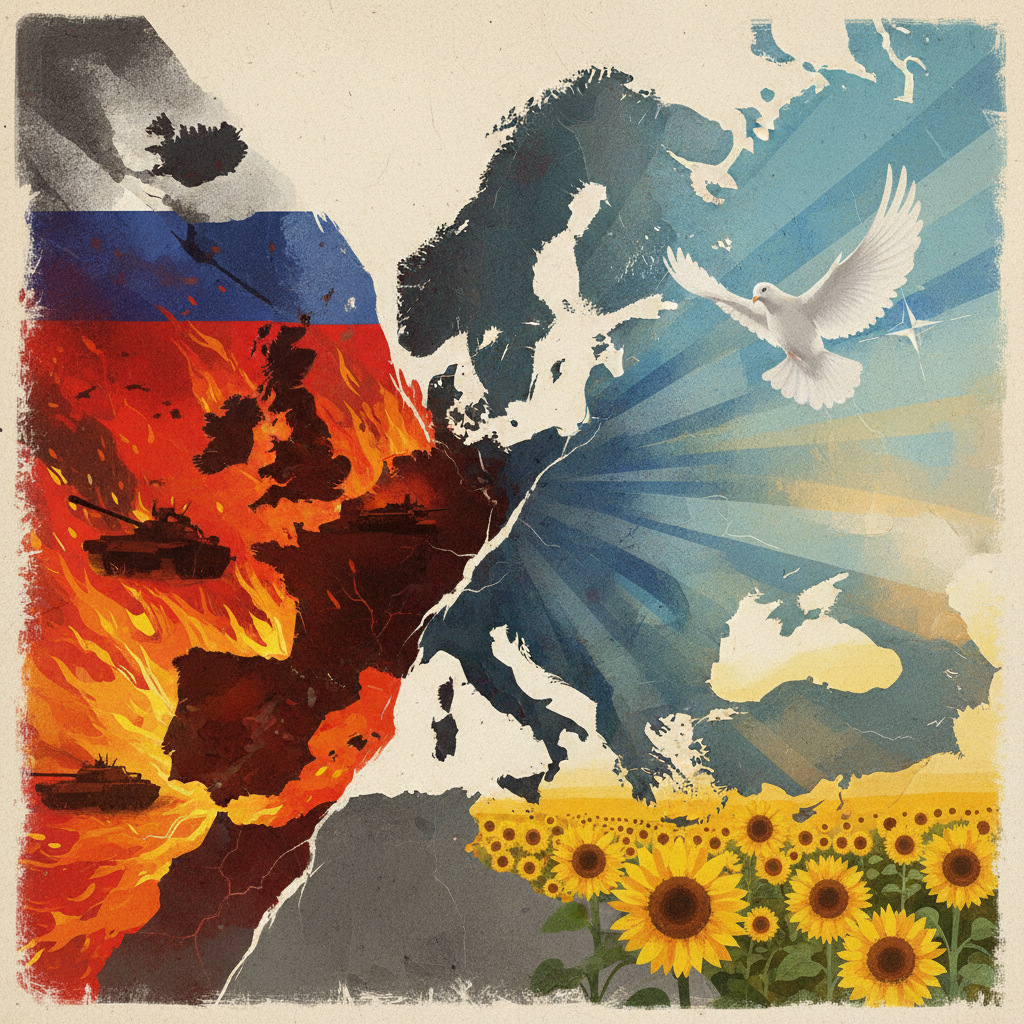
Current Analytical Landscape
The geopolitical conflict in Ukraine maintains a high current influence score of 84/100, indicating its significant impact on global geopolitical analysis and its continuous prioritization in intelligence tracking. This score reflects the conflict's profound implications for international security, energy markets, and humanitarian concerns. Examination of signal volume reveals Ukraine as the top connection with 87 tracked signals, closely followed by Russia with 85 tracked signals. This high signal density for both primary belligerents underscores the intense focus on their respective actions, strategies, and internal dynamics. The significant volume for "Missiles & Strikes," at 21 tracked signals, further emphasizes the persistent kinetic dimension of the conflict, indicating ongoing military engagements and their immediate effects.
Key Indicators and Signals
Recent signals from GeoGazet tracking illustrate crucial focal points for predictive analysis. The signal "Kremlin Suddenly Started Calling Russia’s Invasion of Ukraine a “War.” Here’s What It Means" points to potential shifts in official Russian rhetoric and strategic messaging. Such linguistic adjustments can signal altered political objectives, public communication strategies, or even preparations for escalated actions. General signals like "Russia Ukraine War" confirm the conflict's enduring prominence as a top analytical subject. Furthermore, "Russia, Ukraine report multiple casualties following overnight strikes" highlights the continued intensity of direct military engagements, the enduring human cost, and the ongoing contest for territorial control. A total of 100 tracked events in the GeoGazet graph further underscore the dynamic and continuous stream of developments requiring analytical interpretation and integration into predictive models.
Historical Parallels and Challenges
Predicting the course of the Ukraine war presents challenges reminiscent of other protracted geopolitical conflicts. Historically, shifts in official nomenclature, as seen with the Kremlin's recent change in rhetoric, often accompany or precede significant policy adjustments or public framing campaigns. During the Soviet invasion of Afghanistan, for example, the initial framing of "fraternal assistance" eventually gave way to a more open acknowledgment of military conflict as the situation evolved. Such changes can influence domestic support, international perception, and the willingness to pursue specific diplomatic or military solutions. The complex interplay of domestic politics, external support, military capabilities, and economic pressures makes precise long-term forecasting extremely difficult, requiring constant re-evaluation of data and expert consensus.
Conclusion: What to Watch Next
Future predictive analyses will focus on several critical areas. Continued monitoring of official rhetoric from both Kyiv and Moscow, particularly regarding war aims and diplomatic overtures, will be paramount. Changes in the patterns of military aid from international partners, shifts in front-line dynamics, and the economic impact on the belligerent nations will also serve as key indicators. Analysts will observe the frequency and intensity of missile strikes and other kinetic actions for insights into strategic objectives and capabilities. Furthermore, any significant developments in major power involvement or international mediation efforts will profoundly influence the conflict's trajectory. Sustained open source intelligence gathering and expert analysis will remain indispensable for navigating this complex geopolitical landscape.