The Quantum Leap in Processing Power
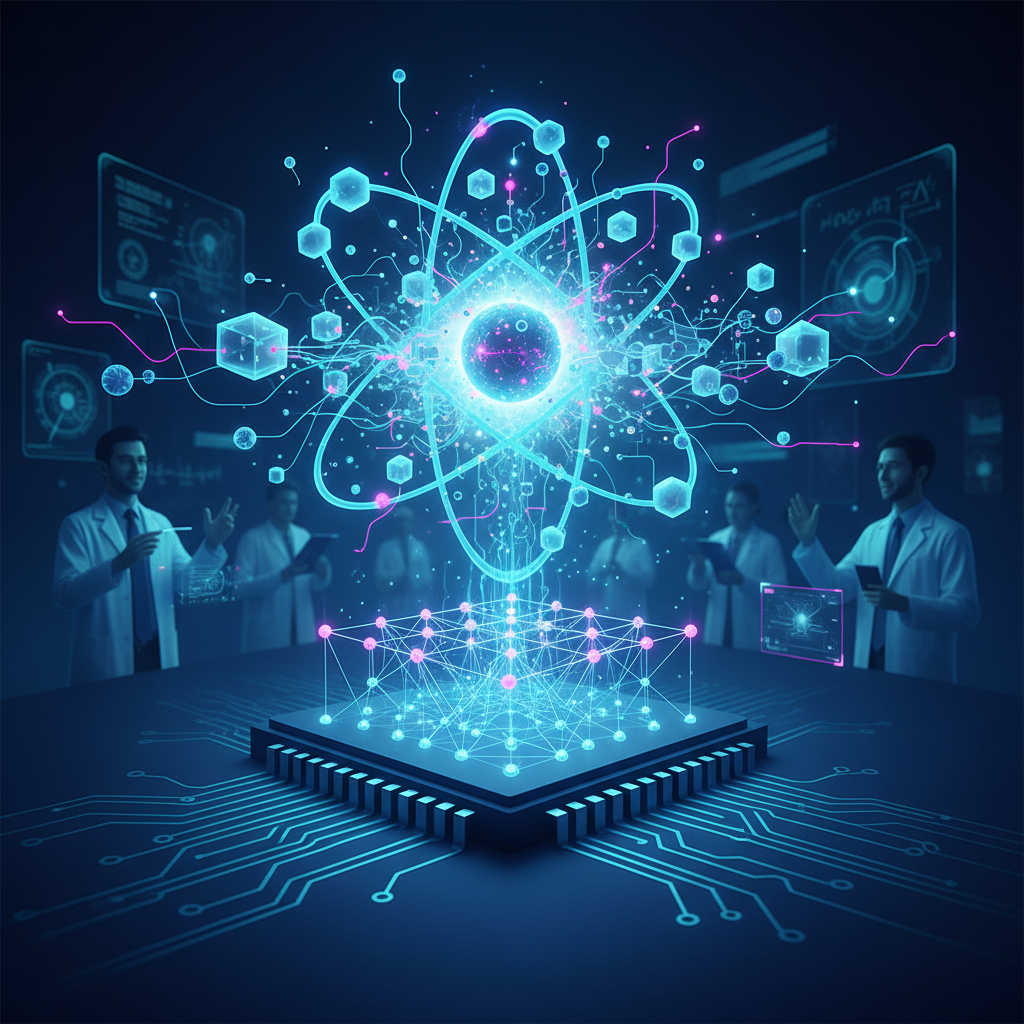
Classical computers store information as bits, representing either a 0 or a 1. Quantum computers, however, use "qubits" which, thanks to superposition, can exist as 0, 1, or both simultaneously. This fundamental difference means that a system of just a few hundred entangled qubits could represent more information than there are atoms in the observable universe. Entanglement allows qubits to become interconnected, where the state of one instantly influences the state of others, regardless of distance. Quantum tunneling permits particles to pass through energy barriers that would be impossible under classical physics, facilitating unique computational pathways. This combined capacity for parallel computation and complex state representation enables quantum machines to tackle problems far beyond the scope of traditional binary systems, offering a paradigm shift in computational capability.
Transformative Applications and Geopolitical Stakes
The power of quantum computing extends to numerous critical sectors. In cybersecurity, it poses a significant threat to current encryption methods, necessitating the development of post-quantum cryptography. For drug discovery and materials science, quantum simulations can model molecular interactions with unprecedented accuracy, accelerating the development of new pharmaceuticals and advanced materials. It also promises breakthroughs in artificial intelligence, financial modeling, and logistics optimization.
The strategic implications of this technology are profound, contributing to its current influence score of 31/100, indicating an emerging but not yet fully matured impact. GeoGazet tracking reveals a significant focus on quantum computing, with 100 total tracked events highlighting its growing importance. Geopolitically, the race for quantum supremacy is a clear strategic imperative, reminiscent of the Cold War era space race. Top connections by signal volume underscore this competition, with China registering 5 tracked signals, demonstrating its aggressive pursuit of quantum capabilities. Financial markets are also closely watching, reflected by 3 tracked signals concerning the Stock Market, including the recent GeoGazet headline, "3 Quantum Computing Stocks Analysts Expect to Outperform in the Second Half of 2026." This indicates growing investor confidence and anticipation of future economic impact. The Crypto & Bitcoin sector shows 4 tracked signals, reflecting concerns over quantum attacks on existing cryptographic protocols.
Recent developments further illustrate the trajectory of quantum computing. The headline "The Path to Quantum Advantage Is Built on Readiness, Not Hype, IBM Report Suggests" points to a pragmatic approach focused on practical application rather than speculative claims. Concurrently, technological breakthroughs, such as those alluded to in "This simple twist could bring quantum computers closer to reality," continuously push the boundaries of what is possible, bringing quantum advantage within closer reach.
What to Watch For Next
The next phase of quantum computing will likely involve a continued intense geopolitical race for technological leadership, particularly concerning China and other major powers. Investors will closely monitor tangible breakthroughs leading to "quantum advantage" – instances where a quantum computer outperforms the best classical computer for a specific task. Developments in error correction, the creation of stable and scalable qubits, and advancements in post-quantum cryptography will be critical indicators of progress and the increasing power of this transformative technology.