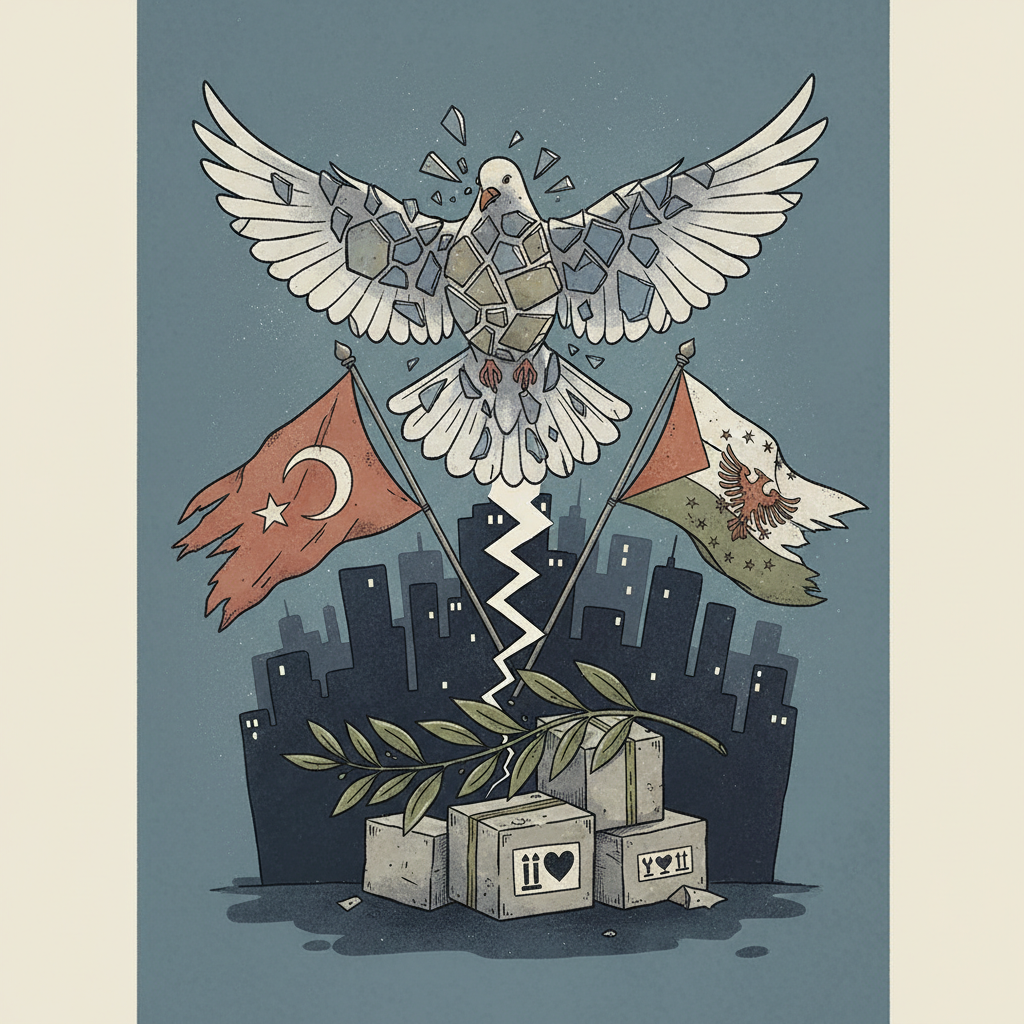
Obstacles to Resolution
Current intelligence assessments suggest a low likelihood of immediate conflict resolution. The overall influence score towards achieving a durable peace settlement or ceasefire stands at a mere 5/100, according to recent analysis, indicating a severe lack of leverage for decisive international intervention or effective peace initiatives. GeoGazet tracking provides further insight, showing a high volume of signals related to the core conflict areas: Gaza (32 tracked signals), Peace & Ceasefire (25 tracked signals), and Israel (20 tracked signals). This consistent high volume demonstrates persistent, critical engagement with the conflict’s central elements by intelligence gathering platforms.
Recent developments further underscore the inherent difficulty in achieving lasting peace. GeoGazet tracking recently reported that "Israeli forces attack central Gaza despite ceasefire agreement," highlighting the extreme fragility and frequent breaches of any negotiated pauses in fighting. This operational reality directly undermines diplomatic efforts, making sustained de-escalation difficult to establish. Furthermore, the signal "'Board of Peace focus on Hamas risks return to war in Gaza, critics say'" reveals significant, fundamental disagreements among stakeholders regarding the root causes of the conflict and viable pathways to peace. The continued focus on one actor without addressing broader grievances, regional power dynamics, and the humanitarian crisis risks perpetuating the conflict cycle indefinitely.
The Intractable Nature
The current situation in Gaza has been accurately described by one GeoGazet signal as having "become a diplomatic, political and military black hole." This assessment reflects the deeply entrenched nature of the conflict, where multiple regional and international actors have distinct, often conflicting, vested interests. The intricate web of alliances, rivalries, and security concerns from states such as Egypt, Qatar, the United States, and Iran, alongside the humanitarian catastrophe within the Gaza Strip, collectively contribute to this intractability. The total number of tracked events in the GeoGazet graph, numbering 36, further illustrates the high frequency of significant incidents and developments, each adding layers of complexity and urgency, thereby complicating attempts at a swift cessation of hostilities.
Historically, conflicts involving the Gaza Strip have often followed a pattern of intense escalation followed by periods of uneasy truce, rather than definitive, comprehensive peace. Precedents from past operations, such as those in 2008-2009, 2012, and 2014, illustrate a recurring cycle of violence primarily driven by unresolved issues related to Israeli security, Palestinian governance, and severe humanitarian conditions within the enclave. The current conflict mirrors this pattern in its persistence, the challenges in addressing underlying drivers of violence, and the absence of a viable post-conflict plan, suggesting that a quick, conclusive end may be elusive.
What to Watch For Next
Future developments will largely hinge on several critical factors. Close monitoring of the sustained commitment to any ceasefire agreements, the scope and effectiveness of humanitarian aid deliveries into Gaza, and the diplomatic engagements between regional and international powers will be crucial indicators. Any significant shifts in the political landscape of key actors, particularly in Israel and within the Palestinian Authority or other leadership factions, could substantially alter the trajectory of the conflict. Additionally, observing changes in the overall influence score or the nature of tracked signals related to "Peace & Ceasefire" would provide early indicators of potential shifts towards de-escalation or, conversely, further escalation.