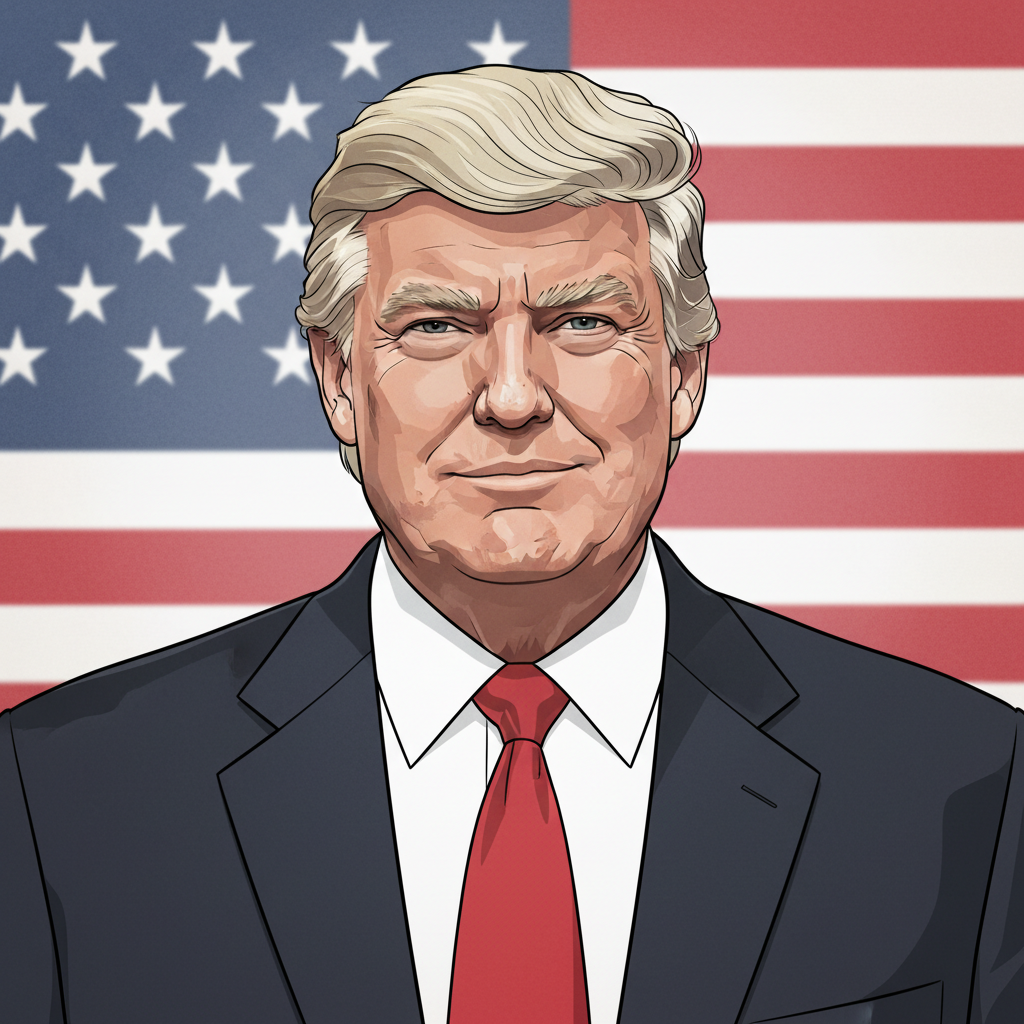
Donald Trump's Geopolitical Standing in 2026
As of mid-2026, Donald Trump maintains an extraordinary geopolitical footprint, evidenced by a Current influence score of 100/100 within GeoGazet tracking. This perfect score indicates a pervasive global presence and significant direct or indirect impact on international affairs. His continued role as a prominent global figure is confirmed by a GeoGazet tracking signal from July 19, 2026, noting "President Trump Speaks to Reporters | July 19, 2026 | Video". This suggests that he remains in office and actively engaged in public discourse. This high influence score, however, does not necessarily equate to universal approval or uncontested policy success.
Key Geopolitical Connections and Challenges
Analysis of GeoGazet's signal volume reveals the primary foci of Trump's geopolitical activity. Iran leads with 20 tracked signals, suggesting a highly active and potentially volatile relationship, which could range from intense diplomatic engagement to ongoing confrontation, consistent with historical friction points between the United States and Iran. The United States itself accounts for 12 tracked signals, pointing to significant domestic activity and challenges. A notable GeoGazet signal, "How Trump and his administration have mired the US in multiple crises," indicates substantial internal pressures and ongoing governance complexities. This suggests that despite his global influence, his administration grapples with significant internal discord or policy failures.
Another key connection is Spain, with 6 tracked signals. While lower in volume, a specific GeoGazet report, "Trump booed after presenting Spain with World Cup and joining trophy lift," provides insight into his international reception. This event demonstrates his presence at high-profile global gatherings, yet the negative public reaction indicates a divergence between his formal influence and public sentiment abroad. This situation highlights the complex nature of geopolitical power, where official standing may not always align with popular approval, a phenomenon not uncommon for leaders with strong and polarizing international policies.
Data-Driven Insights and Historical Precedents
The comprehensive nature of the analysis is underpinned by a Total tracked events in GeoGazet graph of 100, indicating a robust and multifaceted monitoring framework for global events and actors. Historically, leaders with such high influence scores but also facing significant domestic crises and mixed international receptions are not unique. Figures like Charles de Gaulle, who navigated domestic unrest while asserting France's global role, or even controversial leaders from authoritarian regimes, have demonstrated a similar duality of power and public contention. What distinguishes this scenario is the persistent, real-time tracking of public sentiment alongside formal state interactions. The blend of high signal volume with Iran and domestic crises suggests a strategy of external engagement potentially used to manage or distract from internal issues, or simply a reflection of an administration deeply involved in both domestic and foreign policy challenges.
What to Watch For Next
Future geopolitical analysis will focus on several critical indicators. The trajectory of relations with Iran, particularly whether the high signal volume translates into de-escalation, sustained tension, or outright conflict, will be paramount. Domestically, monitoring how the administration addresses the "multiple crises" within the United States will be crucial for understanding its stability and long-term viability. Internationally, observing public reactions to future appearances, especially in contrast to formal diplomatic engagements, will provide deeper insights into the nuanced perception of Donald Trump's influence on the global stage.