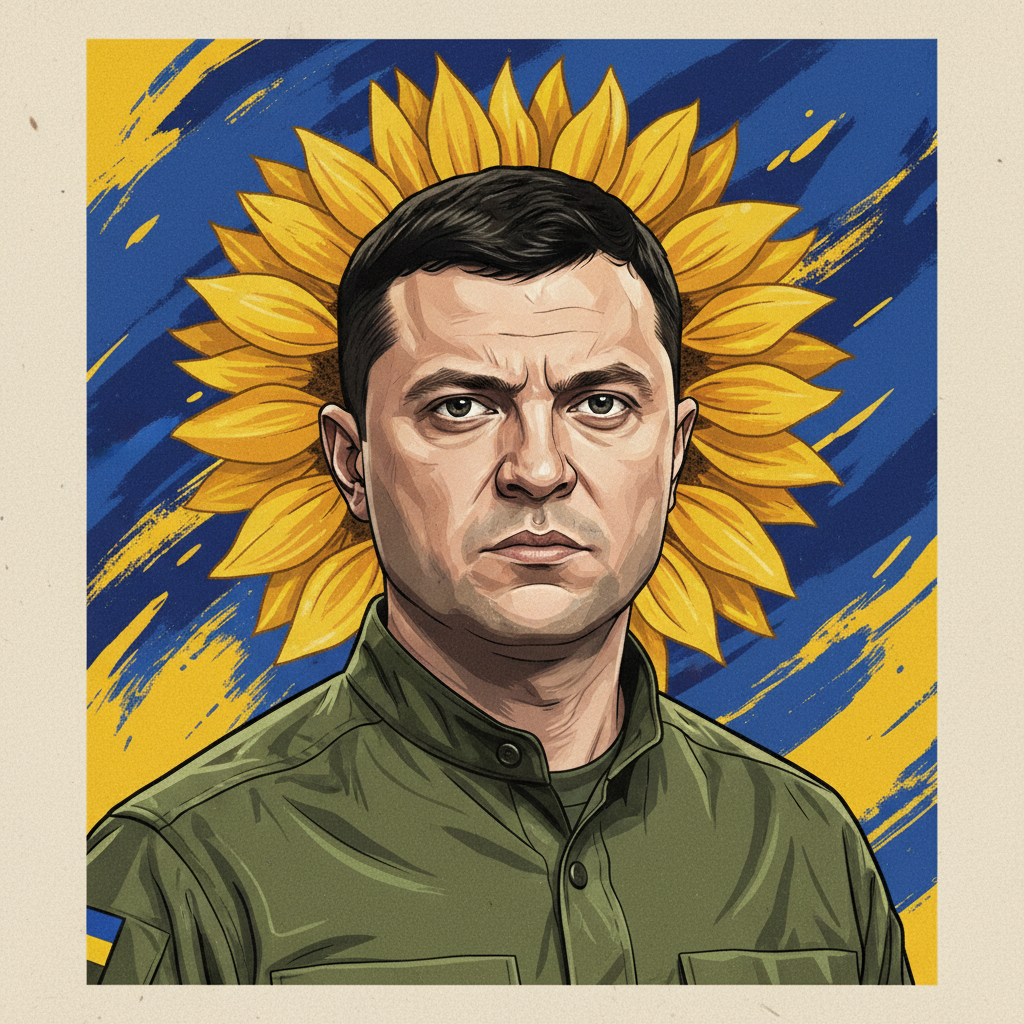
The Context of the 2019 Election
Prior to the 2019 election, Ukraine was grappling with significant challenges including endemic corruption, economic stagnation, and the ongoing conflict in its eastern territories following Russia's annexation of Crimea in 2014. The political landscape was dominated by seasoned, often unpopular, figures. Public trust in existing institutions and political elites was notably low. This environment created fertile ground for an outsider candidate who promised radical change.
Zelensky's Appeal and Platform
Zelensky, a comedian and actor with no prior political experience, effectively capitalized on this disillusionment. His fame from the popular television show "Servant of the People," where he portrayed a fictional president who accidental finds himself in office and fights corruption, directly mirrored his political persona and campaign promises. His campaign was characterized by a direct, social media driven approach, bypassing traditional media and political rallies. Key tenets of his platform included:
- Anti-Corruption: A firm commitment to combatting corruption, a major concern for Ukrainian citizens.
- Peace in Donbas: A pledge to pursue diplomatic solutions to end the conflict in eastern Ukraine. This resonated deeply with a population weary of war.
- Economic Reform: Promises to improve living standards and foster economic growth.
His message of bringing fresh faces and real change to Kyiv resonated with an electorate yearning for a departure from the status quo. His current influence score of 98/100, alongside top connections like Ukraine (65 tracked signals), Russia (22 tracked signals), and Peace & Ceasefire (13 tracked signals), demonstrate the enduring salience of these issues which defined his initial appeal and continue to shape his presidency.
Geopolitical Undercurrents and Public Sentiment
The prolonged conflict with Russia and the desire for a peaceful resolution were critical factors in the election. Many Ukrainians saw Zelensky as a potential negotiator who could break the stalemate. His promise to engage in direct talks offered hope for an end to hostilities, a sentiment that continues to be a central focus for his administration, as evidenced by signals like "Estonian President Says Opportunity to End Ukraine War Could Emerge This Summer." This reflects a consistent public desire for peace, which was a core electoral promise.
Historically, periods of deep public dissatisfaction often lead to the rise of non-traditional political figures. Zelensky's emergence can be compared to other instances globally where entertainers or outsiders have successfully challenged established political orders by tapping into popular frustration.
From Election to Wartime Leadership
Zelensky's initial presidency focused on delivering his electoral promises, including anti-corruption efforts and peace initiatives. However, the full-scale Russian invasion in February 2022 dramatically shifted his focus, transforming him into a wartime leader. His continued diplomatic efforts, such as "Zelensky Thanks King Charles III for UK’s ‘Unwavering Support’ in Windsor Meeting," underscore the critical role international alliances play in his strategy to secure Ukraine's sovereignty, an indirect extension of his pre-war goal of a secure and prosperous Ukraine. His ongoing engagement with the conflict, highlighted by statements like "Zelensky Says Russia Losing Battlefield Initiative but Warns Front Can Shift ‘Each Day’," reflects the continuous geopolitical challenges that initially underpinned his election. GeoGazet tracking shows a total of 100 tracked events, demonstrating the dynamic environment he operates within.
What to Watch For Next
Observers will be closely watching for continued diplomatic overtures for peace, the effectiveness of ongoing international support for Ukraine, and how the internal political landscape evolves amidst the protracted conflict. Zelensky's ability to balance military objectives with the long-term aspirations for reconstruction and European integration, which were implicit in his initial reformist platform, will remain central to his leadership.