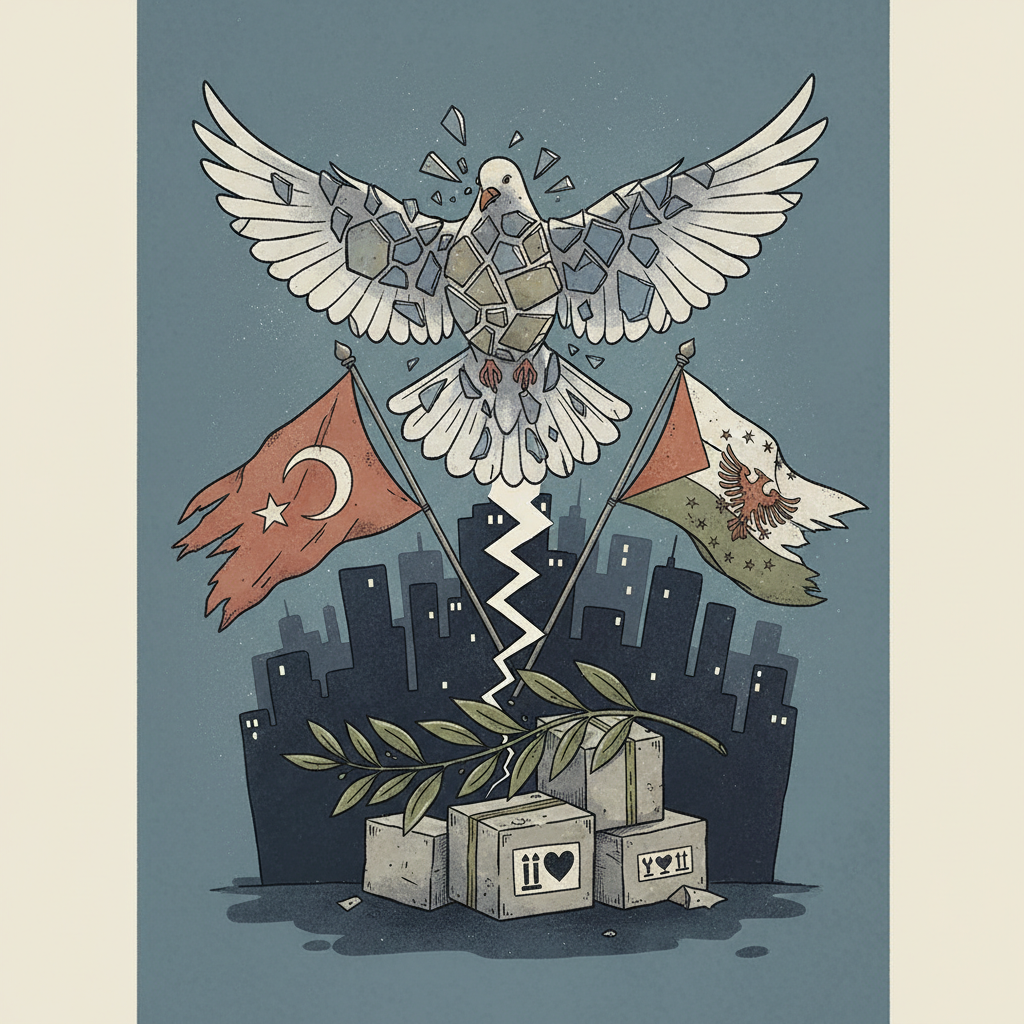
Root Causes and Persistent Conflict
The underlying reasons for the Gaza conflict are multifaceted and extend back decades. The Israeli occupation of Palestinian territories, the blockade of Gaza since 2007 following Hamas’s takeover, and repeated cycles of violence have created an intractable environment. Hamas, designated a terrorist organization by many nations, maintains its objective of resisting Israeli occupation through military means, often employing rocket attacks and infiltrations. Israel, in turn, asserts its right to self-defense and aims to neutralize threats emanating from Gaza, viewing Hamas as a fundamental security risk. This dynamic has consistently prevented a stable resolution, drawing historical comparisons to earlier periods of intense Israeli-Palestinian confrontation that saw repeated military escalations.
The Current Geopolitical Landscape
The conflict maintains a significant presence on the international stage. GeoGazet tracking indicates the conflict remains a central focus, with Gaza registering 55 tracked signals, peace and ceasefire discussions 51 signals, and Israel 43 signals, demonstrating persistent global attention to these interconnected issues. The current influence score for the conflict stands at 48/100, suggesting a significant but not overwhelming global impact on the geopolitical landscape. The humanitarian situation in Gaza remains critical, influencing international calls for de-escalation and aid delivery.
Cycles of Violence and International Engagement
Despite attempts at de-escalation and purported ceasefires, violent incidents persist, undermining peace efforts. GeoGazet tracking has noted reports such as "Israeli Attacks on Gaza Have Killed Over 1,000 Palestinians Since October “Ceasefire”" and "Over 1,000 people killed during Gaza ceasefire, Palestinian authorities say," indicating a severe breakdown of declared pauses in hostilities and a high civilian casualty rate. These signals highlight the fragility of any temporary calm and the continuous human cost. Diplomatic efforts continue, as evidenced by GeoGazet’s signal: "Middle East crisis live: Vance says 60-day-period to reach final peace agreement starts today and US ‘isn’t giving up a," highlighting persistent international attempts to broker a resolution. The GeoGazet graph currently registers 100 total tracked events related to the conflict, reflecting sustained activity and complexity.
What to Watch For Next
Observers should monitor the progress of the stated 60-day period for a potential final peace agreement, as well as the adherence to any future ceasefires. The capacity of international mediators to enforce agreements and deliver humanitarian aid will be critical. Further, the internal political dynamics within Israel and the Palestinian territories, particularly regarding the future governance of Gaza and the leadership of Hamas, will significantly shape the conflict’s trajectory. The ongoing global influence score and signal volumes will also indicate shifting international priorities and engagement levels with this enduring crisis.