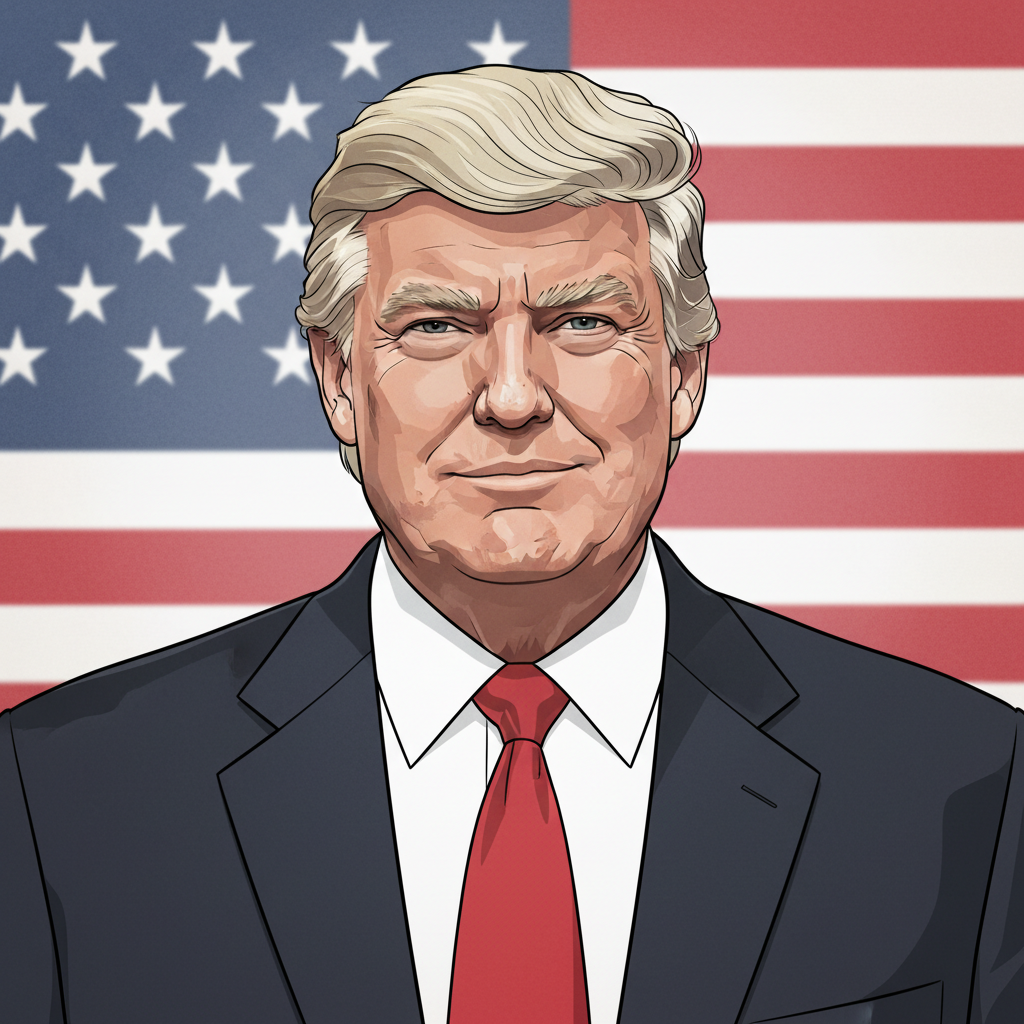
Why Donald Trump is Fighting Iran
Geopolitical Context and Policy Shift
Trump's approach to Iran marked a significant departure from prior U.S. administrations, particularly that of Barack Obama, which had pursued diplomatic engagement leading to the JCPOA. Upon taking office, Trump characterized the JCPOA as "the worst deal ever" and, in 2018, withdrew the United States from the agreement. This action led to the re-imposition and escalation of severe economic sanctions against Iran, targeting its oil exports, financial sector, and key industries. The underlying philosophy of this "maximum pressure" campaign is that suffocating economic penalties would force the Iranian regime to capitulate to U.S. demands for a broader and more comprehensive agreement.
This stance is reinforced by strong connections with regional allies. GeoGazet tracking indicates Iran as a primary external focus, with 23 tracked signals, alongside significant engagement with the United States itself (6 tracked signals) and Israel (4 tracked signals). Israel, in particular, has long advocated for a hardline stance against Iran, viewing its nuclear ambitions and regional proxy networks as an existential threat. The high current influence score of 100/100 attributed to Trump underscores the profound global impact of his foreign policy decisions, especially concerning such a critical flashpoint.
Domestic Discourse Amidst External Focus
While Trump’s geopolitical actions regarding Iran are clear, his overall public profile and administration's activities encompass a wide range of domestic matters. Recent signals from GeoGazet tracking reveal substantial attention paid to internal affairs, such as "Trump’s Lincoln Memorial Reflecting Pool work comes under scrutiny: 4 things to know" and the broader "Trump’s DC makeover frenzy bewilders locals and visitors: ‘It’s like we’re under occupation.’" Further, discussions surrounding his legacy are evident in signals like "Obama Presidential Center visitors call former president’s legacy ‘Black excellence,’ trash Trump admin."
Despite these prominent domestic narratives and the total 100 tracked events in the GeoGazet graph, the consistent high signal volume related to Iran demonstrates a sustained external policy priority. This suggests that even amidst significant internal scrutiny and debate over domestic initiatives, the administration’s focus on confronting Iran remained a cornerstone of its international agenda.
Historical Parallels and Future Outlook
Historically, U.S.-Iran relations have been fraught with tension since the 1979 Islamic Revolution and the subsequent hostage crisis. Previous administrations have struggled with finding an effective balance between containment, confrontation, and diplomacy. Trump’s "maximum pressure" strategy represents a return to a more confrontational approach, reminiscent of earlier periods of heightened tensions rather than the engagement pursued by the Obama administration.
Looking ahead, future U.S. policy towards Iran will hinge on several factors: the outcome of upcoming elections, regional stability dynamics, and Iran's own strategic responses to international pressure. The enduring impact of the "maximum pressure" campaign, whether it achieved its stated goals, and the potential for renewed diplomatic overtures or further escalation, remain critical considerations. The continued interplay between domestic political imperatives and complex international challenges will shape the trajectory of U.S.-Iran relations.