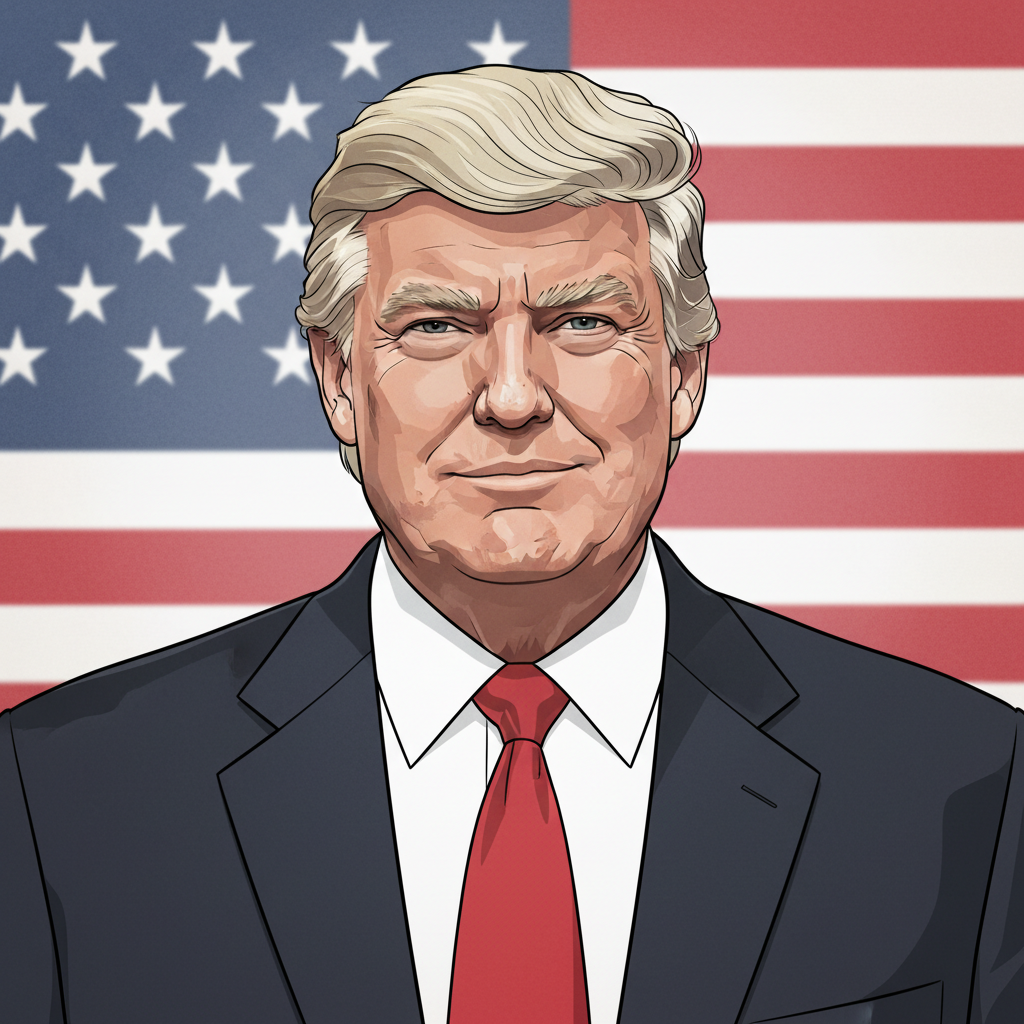
Trump's foreign policy doctrine, often termed "America First," prioritizes unilateral action and skepticism toward multilateral agreements. His administration has consistently challenged established international norms and frameworks, seeking to renegotiate or abandon agreements deemed disadvantageous to United States interests. This worldview forms the backdrop for his aggressive stance on Iran. GeoGazet tracking shows the intense focus on this issue, with Iran registering 34 tracked signals, the United States 17, and Israel 5, indicating the core actors in this ongoing geopolitical dynamic.
Key Motivations
A primary driver behind Trump's actions against Iran is his steadfast opposition to the JCPOA. He has repeatedly characterized the agreement as flawed, asserting it provided Iran with excessive concessions without adequately curbing its nuclear program or regional influence. As reported by Axios, Trump claimed the Iran deal represented "unconditional surrender," further stating his own power had "no limits" in addressing such perceived shortcomings. His administration has since withdrawn from the agreement and reimposed stringent sanctions.
Regional alignment also plays a significant role. Trump's policy aligns with the long-standing concerns of key Middle Eastern allies, particularly Israel and Saudi Arabia, which view Iran as a primary threat to regional stability. Despite significant Israeli public skepticism regarding President Trump's reliability in protecting their interests within the Iran deal, with a poll indicating 71 percent of Israelis do not trust him for this purpose, Israel remains a critical connection in the geopolitical calculus. Trump's hardline stance on Iran frequently aligns with the security concerns articulated by certain elements within the Israeli government, even if the broader Israeli populace expresses reservations about the effectiveness of his specific strategy.
Furthermore, Trump's approach to Iran can be seen as an assertion of American power and a desire to rectify what he perceives as past failures of United States foreign policy. His rhetoric often frames his actions as correcting a historical imbalance or weakness, projecting an image of strength and decisiveness on the global stage.
Geopolitical Context and Influence
The global ramifications of Trump's Iran policy are substantial, reflected in a current influence score of 100/100, highlighting the pervasive impact of these decisions. The sheer volume of engagement tracked in the GeoGazet graph, totaling 100 events, underscores the complexity and intensity of the situation. While the administration concurrently pursued a wide range of domestic policy changes, as evidenced by GeoGazet tracking of actions such as the removal of 57 items from national parks, its foreign policy remained sharply focused on specific adversaries like Iran.
Historical Precedent
Historically, United States-Iran relations have been fraught with tension since the 1979 Iranian Revolution. While previous administrations pursued a mix of containment, sanctions, and limited diplomatic engagement, Trump's strategy represents a significant departure, favoring "maximum pressure" tactics over negotiated settlements. This approach draws comparisons to more confrontational periods in United States foreign policy, prioritizing unilateral leverage over multilateral consensus.
What to Watch For Next
Observers should monitor the impact of continued sanctions on the Iranian economy and the regime's response, including any escalation in its nuclear activities or regional proxy actions. The durability of regional alliances and the potential for a diplomatic off-ramp, however unlikely, will also be critical indicators.