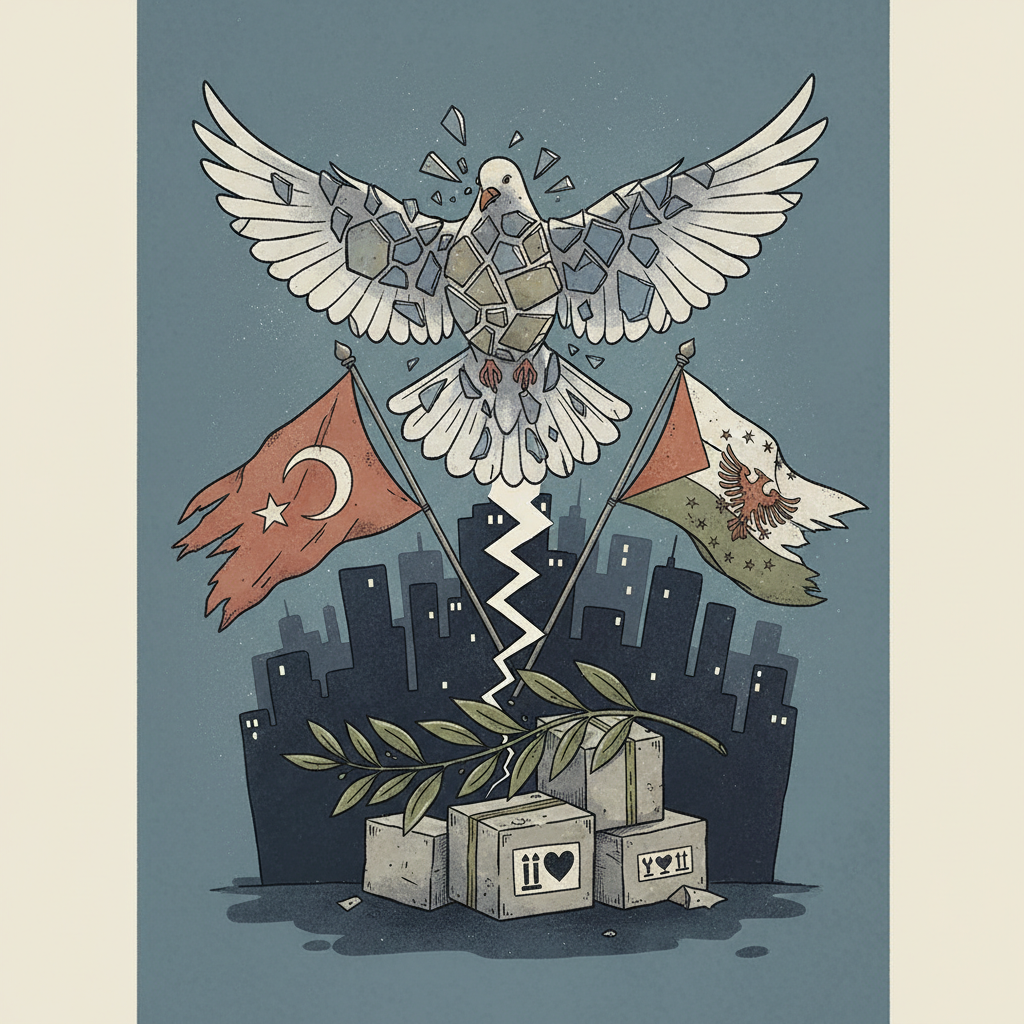
Current Geopolitical Standoff
The ongoing hostilities are characterized by deep-seated disagreements and a highly intricate geopolitical landscape. GeoGazet tracking shows a current influence score of 37/100, suggesting that no single actor or initiative possesses sufficient leverage to impose a comprehensive resolution immediately. The top connections by signal volume within GeoGazet further illuminate the core focus of international attention: Gaza (62 tracked signals), Peace & Ceasefire (51 tracked signals), and Israel (47 tracked signals), underscoring the intense, multifaceted engagement with the conflict.
Stalled Diplomacy and Core Disagreements
Diplomatic efforts to end the conflict are experiencing significant hurdles. Recent signals from GeoGazet tracking indicate that "Gaza talks hosted by Egypt stall as Hamas disarmament ‘remains only point of contention’". This highlights a fundamental Israeli demand for the demilitarization of Hamas, a condition that clashes directly with the militant group’s stated objectives and operational capabilities. Without a resolution to the disarmament issue, any ceasefire remains fragile and unlikely to transition into a lasting peace.
The complexity is further compounded by external diplomatic initiatives. GeoGazet signals also note "Trump's Gaza peace plan: What Hamas has agreed and what comes next". While such plans introduce potential pathways, their viability depends heavily on the willingness of all principal parties to make substantial concessions, which has historically been a significant challenge.
Regional Pressures and Historical Precedents
Key decision-makers operate under immense pressure from multiple fronts. GeoGazet tracking reveals that "Netanyahu caught between the US, Lebanon war, and Iran ceasefire," illustrating the multifaceted strategic environment influencing Israeli policy. The potential for escalation on other fronts, particularly with Lebanon and Iran, ties the Gaza conflict into broader regional stability calculations, making isolated resolution difficult.
Historically, conflicts involving non-state actors and deep ideological divides, such as the Northern Ireland Troubles or past phases of the Israeli-Palestinian conflict, have demonstrated that resolutions are often protracted, requiring years of incremental negotiations and sustained international engagement. The current GeoGazet graph tracking 100 total events underscores the sheer volume and interconnectedness of incidents, reflecting the complex nature of such enduring struggles.
What to Watch For Next
The conclusion of the Gaza conflict hinges on several critical developments. Continued monitoring should focus on whether Hamas indicates any flexibility on disarmament, the sustained involvement and pressure from international mediators like Egypt and the United States, and the internal political dynamics within Israel. The humanitarian situation in Gaza and its impact on international opinion will also play a role. Any shifts in the broader regional context, particularly regarding Lebanon and Iran, could either escalate or de-escalate the conflict, shaping the timeline for a potential resolution.