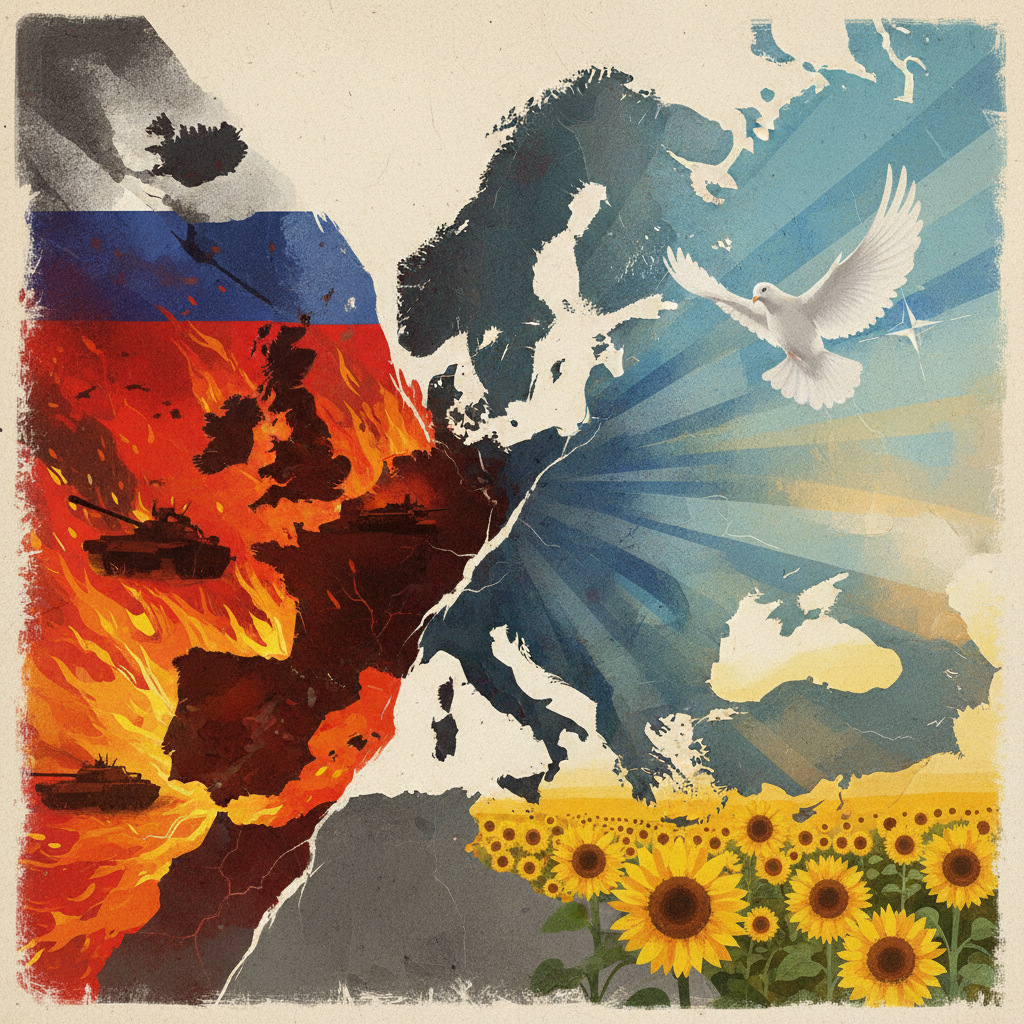
Geopolitical Realignment and Alliance Strengthening
The invasion has precipitated a notable realignment of global powers and alliances. Western nations, led by the European Union and the United States, have demonstrated unprecedented unity in condemning Russia and supporting Ukraine, exemplified by a "Top EU official visits Ukraine and pledges continued support against Russia's invasion." This support underscores a renewed commitment to collective security and the principles of national sovereignty, reminiscent of Cold War-era bloc formation. Concurrently, nations previously non-aligned or hesitant have been compelled to choose sides, influencing voting patterns in international bodies and shaping new trade relationships. The total tracked events in the GeoGazet graph, numbering 100, indicate the broad scope of this geopolitical reshaping.
Economic Disruptions and Energy Security Crisis
Globally, the war has been a significant catalyst for economic instability. Disruptions to critical supply chains, particularly for energy and agricultural commodities, have fueled inflation worldwide. Russia’s role as a major energy supplier led to European nations rapidly seeking diversification, accelerating investments in renewable energy and forging new energy partnerships. This shift has reshaped global energy markets, altering prices and creating new strategic vulnerabilities and opportunities. The economic ramifications extend to developing nations, many of which face heightened food insecurity due to disruptions in grain exports from Ukraine and Russia.
Evolving Warfare and Defense Strategies
The conflict has become a crucible for modern military doctrine and technology. The effectiveness of unmanned aerial vehicles, precision long-range strikes, and integrated air defense systems has been prominently showcased. With "Missiles & Strikes" registering 9 tracked signals, the war highlights the increasing importance of advanced weaponry. The signal "Ukraine Strikes Russia’s Central Nervous System" illustrates the evolving strategic capabilities and the adoption of asymmetric warfare tactics. This has prompted numerous nations to reassess their defense spending and strategies, with many NATO members committing to increased military budgets, signaling a global resurgence in defense investment not seen since the Cold War.
Humanitarian and Social Impacts
Beyond geopolitical and economic shifts, the war has generated a massive humanitarian crisis, leading to millions of Ukrainian refugees seeking asylum across Europe. This movement has placed considerable strain on host nations’ resources and social systems, while also sparking discussions about international refugee policies and shared responsibilities. The conflict has also exacerbated existing social tensions in certain regions, illustrating the profound human cost of interstate aggression and its ripple effects on global stability.
What to Watch For Next
The ongoing nature of the conflict, as suggested by "The Russia-Ukraine War Report Card, July 15, 2026," implies its effects will continue to unfold. Key areas to monitor include the long-term stability of global energy markets, the trajectory of international food prices, the durability of current geopolitical alliances, and the future of international law concerning sovereignty and territorial integrity. The evolution of military technologies and defense strategies, alongside the resolution of the humanitarian crisis, will also remain critical watchpoints in the coming years.