When Will Ukraine War Stop
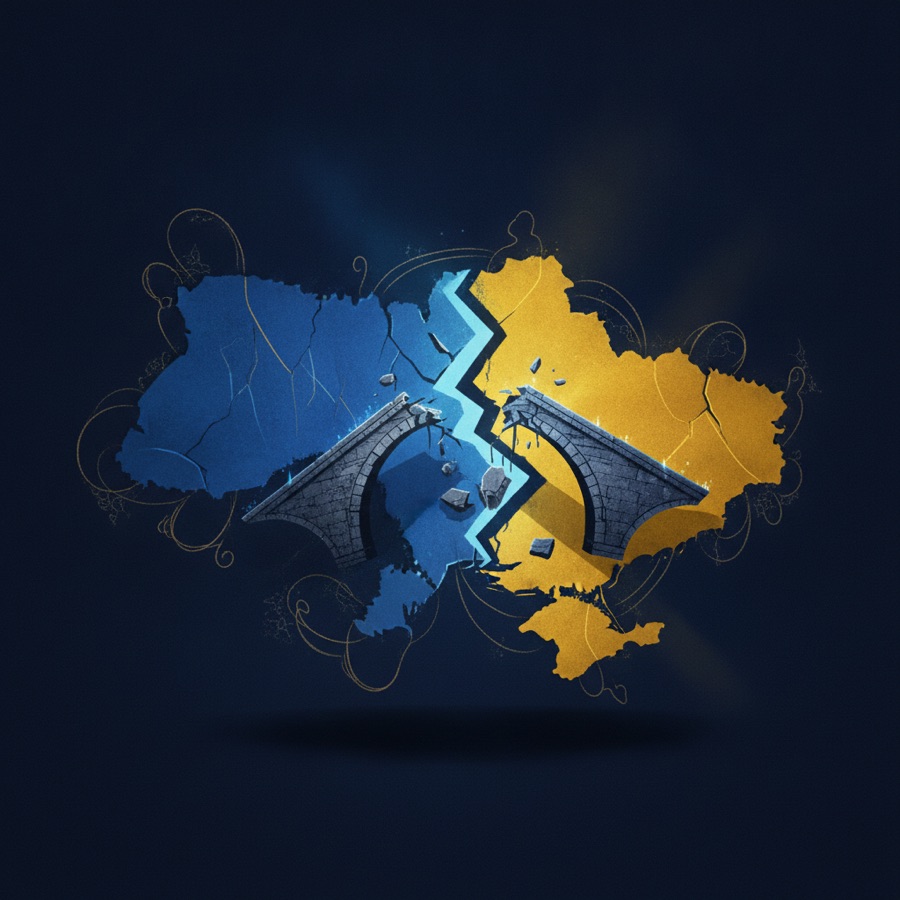
Based on current geopolitical trajectories, the Ukraine war will likely continue through 2026 and into 2027, with a negotiated settlement possible only if major powers shift their strategic calculus.
No realistic pathway to immediate cessation exists given current military positions and political commitments.
קרא את הדו"ח המלאהצג פחות
When Will Ukraine War Stop
The Current Military and Political Stalemate
As of 2026, neither Russia nor Ukraine has achieved decisive military victory, which historically precedes conflict termination. Russia maintains control over approximately 20 percent of Ukrainian territory but has failed to achieve its initial objective of regime change in Kyiv. Ukraine retains the capacity to inflict significant casualties on Russian forces, as documented in recent GeoGazet tracked signals including reports of deadly Russian double tap bombing tactics. The fundamental asymmetry remains: Russia seeks territorial gains and security guarantees, while Ukraine demands full territorial restoration and NATO membership. Without a fundamental change in either side's military capability or political will, this stalemate perpetuates.
American Political Factors and Their Timeline
The incoming Trump administration's posture toward Ukraine will substantially shape conflict duration. A recent tracked signal noted analysis of "What Trump's midterms setback could mean for Iran, Israel and Ukraine," indicating domestic political constraints on sustained Ukraine support within the United States. Trump has consistently stated his preference for rapid negotiated settlement, but implementation requires Ukrainian and Russian acceptance of terms neither currently finds acceptable. Congressional support for military aid remains strong but faces erosion among certain Republican factions. The 2026 midterm election cycle has already begun influencing policy priorities, creating potential openings for diplomatic initiatives but no guarantees of success.
Tracked Signal Volume and Peace Prospects
Intelligence tracking data reveals significant disparity in conflict related signals: Russia generates 80 tracked signals, Ukraine 77 tracked signals, while peace and ceasefire discussions produce only 16 tracked signals across 100 total tracked events. This 5 to 1 ratio of military to diplomatic signals indicates fighting remains the dominant activity. Real cessation requires diplomatic signals to increase substantially, which would reflect genuine negotiation preparation by both parties. Current signal patterns suggest rhetoric toward peace without corresponding diplomatic infrastructure development.
Most Probable Timeline for Resolution
A realistic assessment points toward 2027 to 2028 as the earliest practical window for sustained ceasefire negotiations, contingent on one of three developments: significant Russian military exhaustion limiting offensive capabilities, major shift in American commitment levels forcing Ukrainian compromise, or European led diplomatic initiative gaining traction with both sides. Frozen conflict scenarios, where fighting continues at lower intensity with de facto territorial division, remain possible outcomes extending beyond 2028. The war will stop when costs to one or both parties exceed perceived benefits, a calculation that has not yet been reached. Current trajectory suggests 2026 will see continued fighting with periodic diplomatic gestures but no fundamental resolution.