פרויקט אקלים ואנרגיה
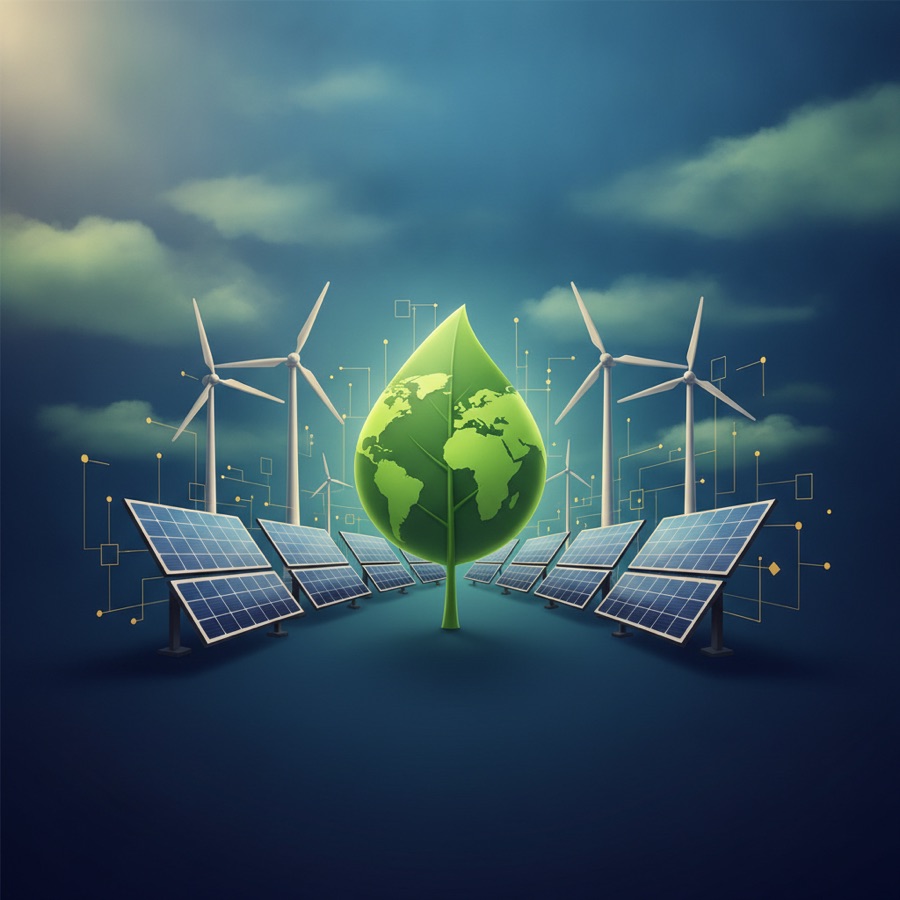
Climate and energy projects are coordinated efforts by governments and institutions to reduce carbon emissions while transitioning to renewable power sources.
These initiatives typically span 10 to 20 years and involve massive infrastructure investments, policy reforms, and international cooperation.
קרא את הדו"ח המלאהצג פחות
Major National Commitments Signal Shifting Investment Priorities
South Korea unveiled a 747 billion dollar energy transition plan extending through 2035, representing one of the largest climate commitments by an East Asian economy. This plan targets substantial reductions in fossil fuel dependence through renewable energy expansion, grid modernization, and industrial transformation. Similar initiatives across developed and developing nations indicate that climate and energy projects have moved from peripheral policy concerns to central government budgets and strategic planning. The scale of these commitments reflects recognition that energy transition now represents both an economic opportunity and a necessity for long term national competitiveness.
Judicial Systems Are Reinforcing Climate Accountability
Courts worldwide are becoming venues for climate enforcement where legislative action proves inadequate. Australia's top court ruled against a coal mine expansion in 2026, explicitly citing climate harm as grounds for blocking the project. This decision establishes legal precedent that environmental impact assessments must account for cumulative climate effects rather than localized impacts alone. Such rulings constrain future fossil fuel projects and signal to investors that regulatory and legal risks around carbon intensive industries continue rising across multiple jurisdictions.
Public Mobilization Reflects Growing Youth Engagement
A young girl recently pleaded publicly with world leaders to save her country from climate change, embodying the generational pressure now applied to climate negotiators and policymakers. Youth activism has moved from protest movements into direct appeals at international forums, amplifying emotional and moral dimensions of climate policy debates. This grassroots pressure complements institutional efforts and influences which climate and energy projects receive political support and funding. The integration of youth voices into climate discussions has shifted timelines and ambition levels in several national energy transition plans.
Current Landscape and Tracking Assessment
Geopolitical tracking systems monitoring climate and energy developments have recorded 100 distinct events across national, regional, and international scopes as of 2026. These projects currently carry an influence score of 5 out of 100 within broader geopolitical calculations, suggesting that while climate and energy initiatives command substantial resources and public attention, their influence on traditional power dynamics, military posturing, and territorial disputes remains secondary. However, this assessment may undervalue emerging implications, as energy transition projects reshape trade relationships, create new economic dependencies around battery metals and renewable technology, and alter which nations control critical infrastructure. Future influence scores will likely reflect these secondary effects as energy projects become intertwined with economic security and technological dominance in the coming decade.