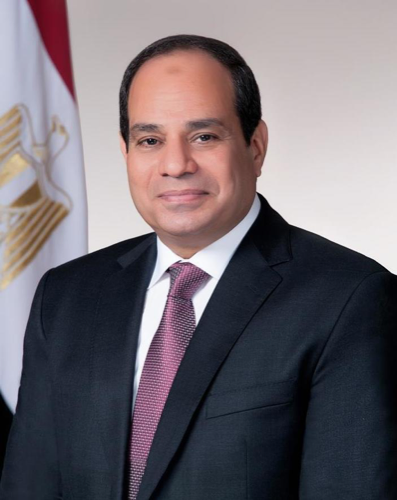
הנשיא עבד אל-פتاح א-סיסי לא צפוי להתפטר.
תקופת כהונתו הנשיאותית הנוכחית אמורה להסתיים בשנת 2030, בעקבות תיקון חוקתי משנת 2019.
תיקון משנת 2019 האריך את כהונות הנשיא ואיפשר לו לכהן עד 2030.
President Abdel Fattah el Sisi's current mandate as President of Egypt is legally established until 2030. This extended timeline was formalized through a significant 2019 constitutional amendment, which redefined presidential term limits and cleared the path for him to serve until the end of the next decade. Therefore, the constitutional framework provides a clear and current mandate for President Sisi to continue in his role, without any public or official indications of an earlier departure.
The presidency maintains an active profile across both domestic governance and international relations, as observed through various tracking mechanisms. GeoGazet tracking highlights "President Sisi, Greek PM stress importance of upholding Gaza ceasefire agreement," demonstrating Egypt's persistent diplomatic efforts in regional security. Domestically, the government faces a range of issues, from societal concerns to judicial proceedings. GeoGazet tracking records incidents like "Egyptian wrestlers keep vanishing abroad amid a sport in crisis," indicating challenges within national institutions and potential emigration pressures. Furthermore, a significant legal case involving an "Egyptian TV presenter sentenced to death in major drug case" underscores the seriousness of law enforcement and the judicial system in tackling crime. The president's current influence score of 5 out of 100, out of a total of 100 tracked events in the GeoGazet graph, suggests a focused rather than broadly dispersed engagement, possibly reflecting internal priorities amid a complex environment.
The prevailing political outlook in Egypt indicates a continued period of stability under President Sisi's leadership. There are no credible public signals or organized movements suggesting an imminent challenge to his authority that would necessitate an early resignation. The established political system and security apparatus are structured to ensure continuity and to manage dissent. While no political tenure is entirely immune to unforeseen events, such as a major health crisis for the president or an unprecedented national catastrophe, there are currently no indications of such precipitating factors. The focus remains on the implementation of state policies and the eventual constitutional transition processes as the 2030 term end approaches. This structured environment minimizes the likelihood of an unscheduled leadership change.