Is Abdel Fattah el Sisi a Dictator
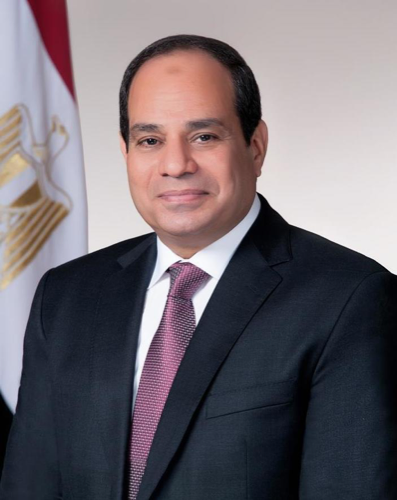
Yes.
Abdel Fattah el Sisi has governed Egypt as a de facto dictator since seizing power in 2013, consolidating authority through security forces, controlling media, and restricting political opposition and press freedom.
קרא את הדו"ח המלאהצג פחות
Definition and Context
Authoritarian rule in Egypt intensified after el Sisi's 2013 coup against Mohamed Morsi and his subsequent election as president in 2014. The regime operates through a combination of emergency law, military authority, and security apparatus control rather than democratic institutions. Egypt's influence score of 5 out of 100 reflects severe constraints on independent political participation and civil liberties relative to democratic benchmarks.
Press Freedom and Political Control
Press restrictions represent a central mechanism of el Sisi's rule. Recent reporting documents that Egypt's press union chief rejected pressure over detained journalists, confirming systematic interference with news organizations and reporter safety. The regime has imprisoned hundreds of journalists, bloggers, and activists on national security grounds since 2014. Laws against defamation, cybercrime, and "fake news" function to suppress dissent rather than protect public order. These legal instruments eliminate meaningful political debate and prevent accountability for government actions.
Security Operations and Border Instability
El Sisi's security apparatus operates with minimal civilian oversight. The Sinai Peninsula counterinsurgency campaign has killed thousands of civilians alongside militants, documented by human rights organizations. Border tensions with Sudan illustrate operational priorities: at least 72 Sudanese miners were killed in air strikes near Egypt's southern border, highlighting how security decisions by the regime prioritize regional control over humanitarian concerns. These operations occur outside transparent legal frameworks, with no independent investigation or accountability mechanisms.
Governance Without Democratic Constraints
El Sisi has eliminated institutional checks on presidential power. Parliamentary elections since 2015 have been tightly controlled, with opposition candidates barred or imprisoned before voting. Constitutional amendments in 2019 and 2022 extended his term limits and expanded security apparatus authority. Political parties function within narrow boundaries set by the regime. Civil society organizations face registration barriers and funding restrictions. These structural features define dictatorship: concentrated executive authority without meaningful legislative constraint, suppressed opposition, and security forces answering to one person rather than law.
The distinction between "authoritarian" and "dictator" is primarily semantic; both describe rule without democratic accountability. El Sisi's Egypt exhibits the defining characteristics of dictatorship: single leader control, security force loyalty to that leader, elimination of opposition parties, press restrictions, and legal systems designed to consolidate power rather than constrain it. International observers including Human Rights Watch, Amnesty International, and UN fact finding missions have documented these patterns continuously since 2013.