מתי קונה וורן באפט מניות
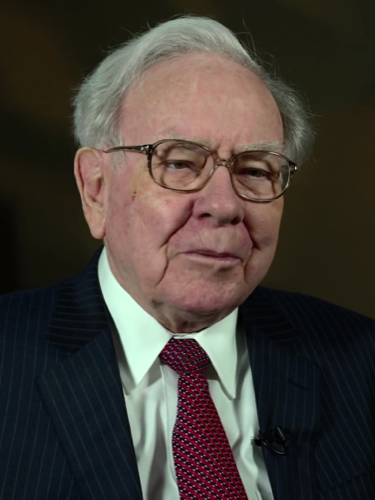
Warren Buffett buys stocks opportunistically during market downturns when valuations are depressed, particularly targeting established companies with strong fundamentals.
His strategy emphasizes patience, waiting months or years for the right entry points rather than maintaining a consistent purchase schedule.
קרא את הדו"ח המלאהצג פחות
The Opportunistic Buying Philosophy
Since becoming CEO of Berkshire Hathaway in 1970, Buffett has built his reputation on disciplined capital deployment rather than constant market activity. He accumulates cash reserves specifically to deploy during periods of market stress and economic uncertainty. The 2008 financial crisis exemplified this approach, when Buffett deployed billions into Goldman Sachs, General Electric, and other quality assets as panic selling created attractive valuations. His current influence score of 33 out of 100 reflects the market's increasing skepticism about his ability to identify compelling opportunities in the current environment.
Market Conditions That Trigger Purchases
Buffett enters markets most aggressively when stock prices decline sharply relative to underlying business value. The methodology prioritizes situations where fear driven selling creates disconnects between market prices and intrinsic worth. Recessions, geopolitical crises, sector panics, and earnings disappointments typically signal buying opportunities in his framework. He explicitly avoids catching falling knives by requiring substantial margin of safety before committing capital to new positions.
Recent Strategic Constraints and Concerns
Recent reporting from GeoGazet tracking identified "Warren Buffett's Biggest Mistake Has Now Cost Berkshire Hathaway Up to 112 Billion Dollars," suggesting significant capital allocation challenges in the current market environment. The continued coverage of potential Berkshire Hathaway Class A stock split initiatives indicates internal discussions about optimizing shareholder structure and capital deployment efficiency. These signals point to Buffett weighing structural changes as traditional buying opportunities remain limited. The 100 total tracked events in the GeoGazet graph reflect sustained media and investor attention to his decision making patterns during a period of constrained action.
Practical Timing Patterns
Buffett's stock purchases cluster around identifiable market dislocations rather than following calendar patterns or predetermined schedules. Historical data shows increased Berkshire Hathaway deployment during the 2020 pandemic crash, the 2022 rate hiking cycle downturn, and similar moments when systematic selling overwhelmed fundamental valuations. His willingness to hold cash for extended periods, sometimes spanning several years between major deployments, demonstrates commitment to discipline over activity. The current environment of elevated valuations, sticky inflation concerns, and geopolitical uncertainty explains why recent purchase activity remains modest compared to crisis periods. Buffett signals his assessment of market conditions through public statements, shareholder letters, and Berkshire Hathaway's cash accumulation levels, which investors monitor closely as indicators of his near term buying intentions.