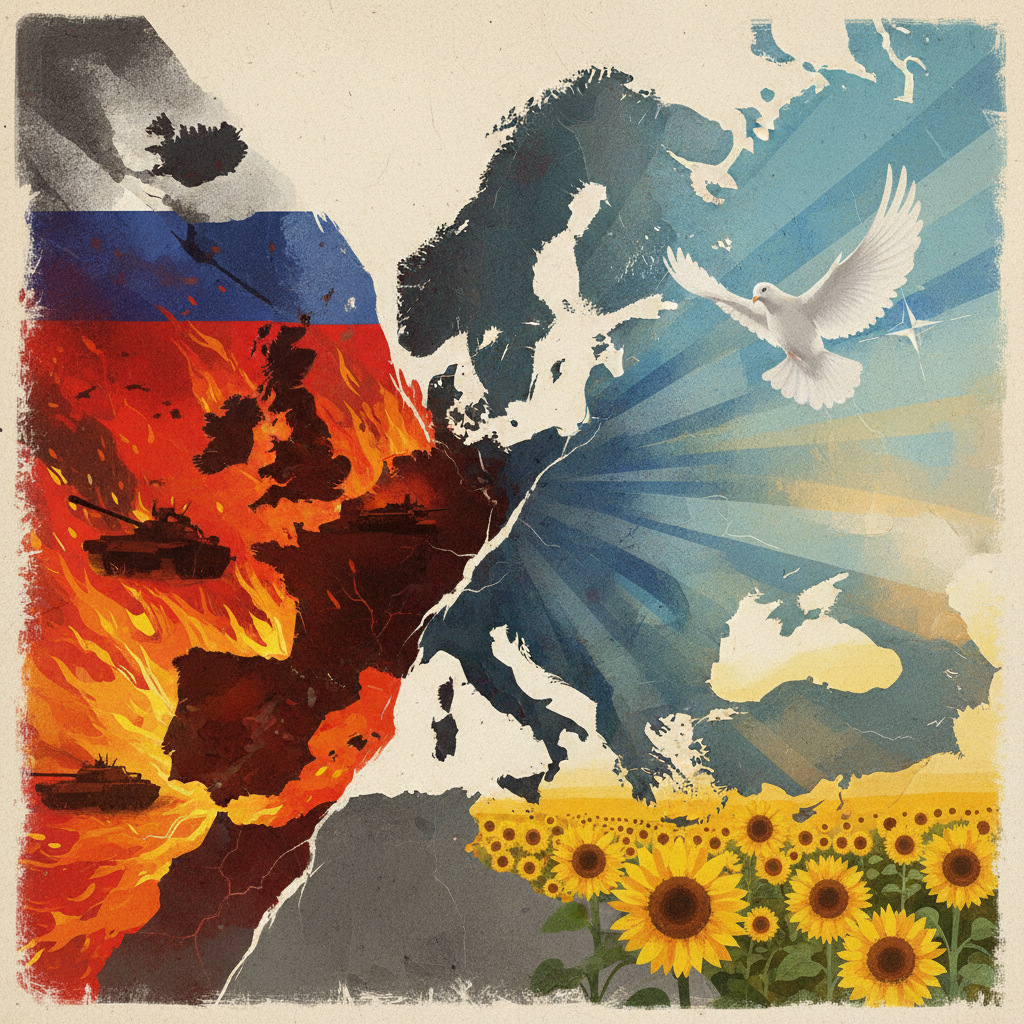
Current Geopolitical Landscape and Influence
The high influence score of 88/100 underscores the Ukraine war's continued prominence as a primary driver of international affairs. This metric reflects widespread global attention, resource allocation, and policy adjustments made by states and international organizations in response to the conflict. Analysis of signal volume reveals that Russia (87 tracked signals), Ukraine (81 tracked signals), and Missiles & Strikes (14 tracked signals) are the top connections, indicating where the most significant events and concentrated activities are occurring. These high signal volumes suggest persistent military engagements, strategic targeting, and continuous political and military maneuvering by both belligerents.
Key Developments and Ground Reality
Recent intelligence from GeoGazet tracking provides crucial insights into the war's trajectory and impact. A particularly stark signal indicates, "Troop Casualties in Ukraine War Top 2 Million, Study Finds." This figure, likely encompassing killed and wounded personnel across all factions, highlights the immense human cost and destructive scale of the conflict. For historical context, such casualty numbers rival those of some of the most devastating conflicts of the 20th century, including the later stages of World War I, underscoring the war's attrition-based nature.
The signal "The Russia-Ukraine War Report Card, July 1, 2026" points to a protracted conflict, with assessments and analyses projected well into the future. This suggests that the war is viewed not as a short-term engagement but as a long-term geopolitical struggle with enduring consequences for regional and global stability. Furthermore, domestic sentiment within Russia appears to be shifting, as indicated by the signal, "Amid war on Ukraine, 'over half of Russians expressing pessimism for the first time in 20 years.'" This significant internal development could signal growing public dissatisfaction, potentially influencing future Russian policy decisions or military strategies. The sheer volume of information, with a total of 100 tracked events in the GeoGazet graph, demonstrates the dynamic and complex nature of the war, where numerous incidents and analyses contribute to the overall picture.
Frontline Dynamics and "Map" Implications
While specific territorial changes are not detailed in the latest signals, the high volume of "Missiles & Strikes" signals directly impacts the physical "map" of Ukraine. These strikes indicate ongoing efforts to degrade military capabilities, infrastructure, and logistical networks across the battle lines and in rear areas. The sustained intensity implied by the 88/100 influence score and the continuous tracking of events suggest that the frontlines, though perhaps static in broad terms, remain zones of intense localized fighting, shelling, and drone warfare. The conflict's map is therefore characterized by persistent pressure points, strategic targeting, and efforts to achieve incremental tactical advantages rather than sweeping territorial gains.
What to Watch For Next
Moving forward, several key indicators will shape the future "map" of the Ukraine war. The evolving domestic sentiment within Russia, particularly the reported pessimism, warrants close observation for any potential shifts in public support or internal political stability. The volume and nature of "Missiles & Strikes" will continue to be a critical gauge of operational intent and impact on Ukraine's infrastructure and defense capabilities. Furthermore, the global response, reflected in the ongoing high influence score, will dictate the level of international support for Ukraine and pressure on Russia. The war remains a highly active and globally significant event, with future developments likely to be driven by a complex interplay of military action, geopolitical maneuvering, and internal dynamics within both belligerent nations.