Comment la guerre en Ukraine affecte-t-elle le monde
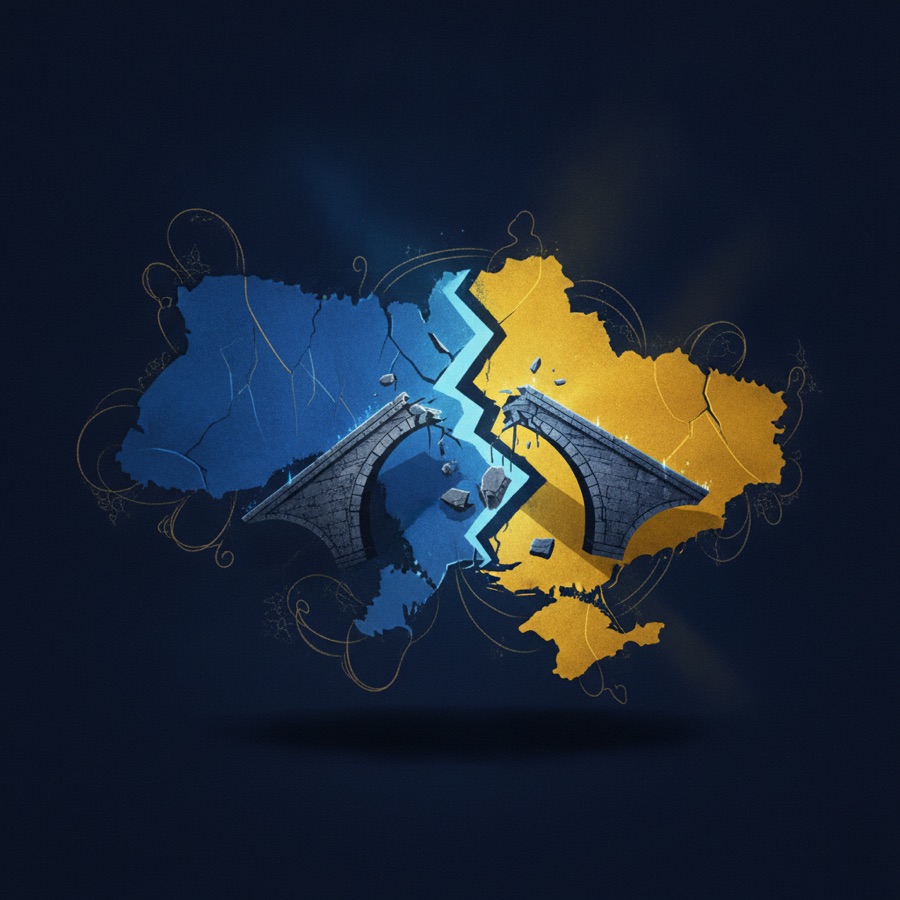
La guerre d'Ukraine a fragmenté les marchés mondiaux de l'énergie, perturbé les approvisionnements alimentaires et réaligné les alliances géopolitiques loin des structures de l'après-Guerre froide.
Les sanctions économiques contre la Russie se sont répercutées sur la tarification des matières premières dans le monde entier, tandis que l'aide militaire à l'Ukraine a tendu les budgets de défense occidentaux et la capacité de fabrication.
Lire le rapport completAfficher moins
Insécurité énergétique et alimentaire
Russia and Ukraine supply critical quantities of oil, gas, and grain to global markets. Ukraine war briefing data shows Kyiv is increasing oil refinery attacks as part of countering Moscow's winter strategy, further constraining energy availability in Europe and beyond. These disruptions have accelerated inflation in importing nations and forced energy policy shifts toward renewable alternatives.
Réalignement Géopolitique
The conflict has strengthened NATO cohesion, prompted Nordic countries to join the alliance, and accelerated military spending across Europe. However, it has also deepened divisions between Western nations and countries like India, Brazil, and South Africa that maintain neutral or balanced positions. The war's continuation into 2026 demonstrates that Cold War era security frameworks remain unstable and that great power competition now directly threatens global stability.