Ursula von der Leyen Wef 2026
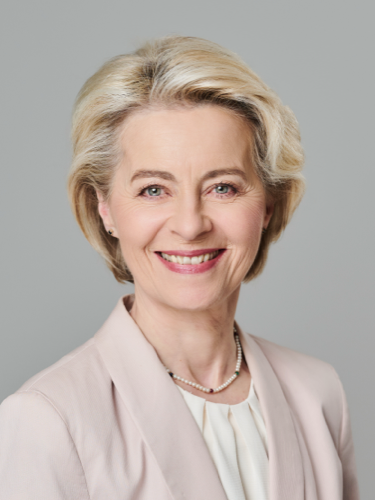
Ursula von der Leyen, President of the European Commission since 2019, maintains maximum geopolitical influence at the 2026 World Economic Forum, shaping EU strategy on Ukraine, transatlantic relations, and economic sovereignty amid escalating global tensions.
Lire le rapport completAfficher moins
Von der Leyen's Position at WEF 2026
Von der Leyen arrives at the 2026 World Economic Forum in Davos commanding an influence score of 100 out of 100, reflecting her consolidated power within European institutions and expanding role in global governance discussions. As European Commission President entering her second full term, she represents the institutional continuity of the EU's executive branch during a period of renewed geopolitical fragmentation. Her WEF presence signals the Commission's commitment to shaping the multilateral agenda on trade, technology regulation, and climate policy at a moment when these frameworks face pressure from nationalist policies in major economies.
Ukraine Strategy and Transatlantic Divisions
Von der Leyen's WEF agenda centers on European support for Ukraine amid a critical policy divergence with the United States. Recent tracking data confirms EU leaders rallied around Zelenskiy as Trump called Ukrainian strikes on Russia a "disgrace," highlighting a fundamental split between American and European approaches to the conflict. Von der Leyen has positioned the EU as Ukraine's steady institutional supporter, using her platform to coordinate continued military aid, reconstruction funding, and diplomatic isolation of Russia despite American policy shifts. This stance distinguishes European leadership from transatlantic partners and appeals to member states demanding strategic autonomy.
European Sovereignty and Economic Resilience
The Commission President addresses European economic independence as a central WEF theme, building on discussions from the recent European Union leaders summit in Brussels and the Belgium Europe Summit. Von der Leyen has championed reducing EU dependency on American technology platforms, Chinese manufacturing, and Russian energy through the European Green Deal and critical supply chain reshoring initiatives. With 100 tracked geopolitical events in the GeoGazet graph during this period, the scale of EU institutional activity underscores how comprehensively von der Leyen's leadership manages interconnected crises. Her WEF messaging emphasizes that European technological sovereignty and industrial capacity building are not protectionist retreats but necessary adaptations to a more competitive multipolar world.
Legacy and Forward Positioning
Von der Leyen uses the 2026 forum to establish her legacy beyond immediate crisis management, positioning the EU as a geopolitical actor rather than merely an economic bloc. Her influence reflects not only institutional authority but also her navigation of conflicts between member states, her relationship building with both supportive and skeptical governments, and her ability to articulate European interests during profound strategic realignment. The WEF provides her platform to influence global corporate investment patterns, emerging technology governance standards, and multilateral responses to climate and migration challenges. As traditional power structures shift, von der Leyen's performance at WEF 2026 shapes perceptions of whether the EU can remain relevant as a unified force or fractures under competing national interests.