Que fait Bill Gates aujourd'hui ?
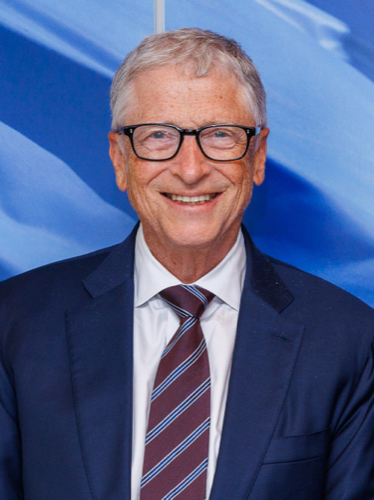
Bill Gates is focusing on artificial intelligence risks and their global implications in 2026, warning that governments are unprepared for AI disruption.
He is simultaneously deploying substantial capital to prevent AI from widening inequality between wealthy and developing nations.
Lire le rapport completAfficher moins
Gates Warning Governments on AI Preparedness
As of 2026, Gates has become a prominent voice on artificial intelligence policy, arguing that governments worldwide are significantly behind on understanding and preparing for AI deployment. His recent essay and Telluride panel remarks stressed that the pace of AI development has outstripped institutional readiness across most nations. This positioning reflects a shift in Gates' public engagement, moving from traditional global health focus toward technological governance issues. The urgency in his messaging suggests he views AI risk as an imminent rather than distant concern.
The One Billion Dollar AI Equity Initiative
Gates announced a major commitment to spend one billion dollars ensuring artificial intelligence does not worsen the global divide between rich and poor countries. This investment targets research and development for AI applications in healthcare, agriculture, and education specifically tailored to low income nations. The initiative reflects concern that commercial AI development concentrates benefits in wealthy markets while leaving developing economies behind. By committing this scale of resources, Gates is attempting to influence how AI innovation translates into equitable global outcomes rather than deepening existing disparities.
Current Influence and Tracking Data
According to GeoGazet tracking systems monitoring 100 distinct events related to Gates in 2026, his current influence score registers at 10 out of 100, indicating limited but focused geopolitical leverage on specific issues. The tracked signals center on three primary concerns: AI readiness gaps, inequality risks, and technology policy. This lower influence score relative to his historical prominence reflects that Gates now operates outside executive corporate roles and positions himself as an independent analyst and philanthropist rather than an institutional power holder. His impact flows through ideas and funding mechanisms rather than formal authority.
Strategic Positioning in Technology Debate
Gates is using both public commentary and capital deployment to shape how nations approach AI governance and distribution. His warnings carry credibility from Microsoft cofounding background while maintaining distance from corporate profit motives through his foundation structure. The specificity of his concerns about government unpreparedness and inequality suggests he views 2026 as a critical window before AI systems become entrenched globally. By combining urgent messaging with concrete billion dollar commitments, Gates is attempting to establish himself as a serious voice in technology policy debates that will define the remainder of the 2020s.