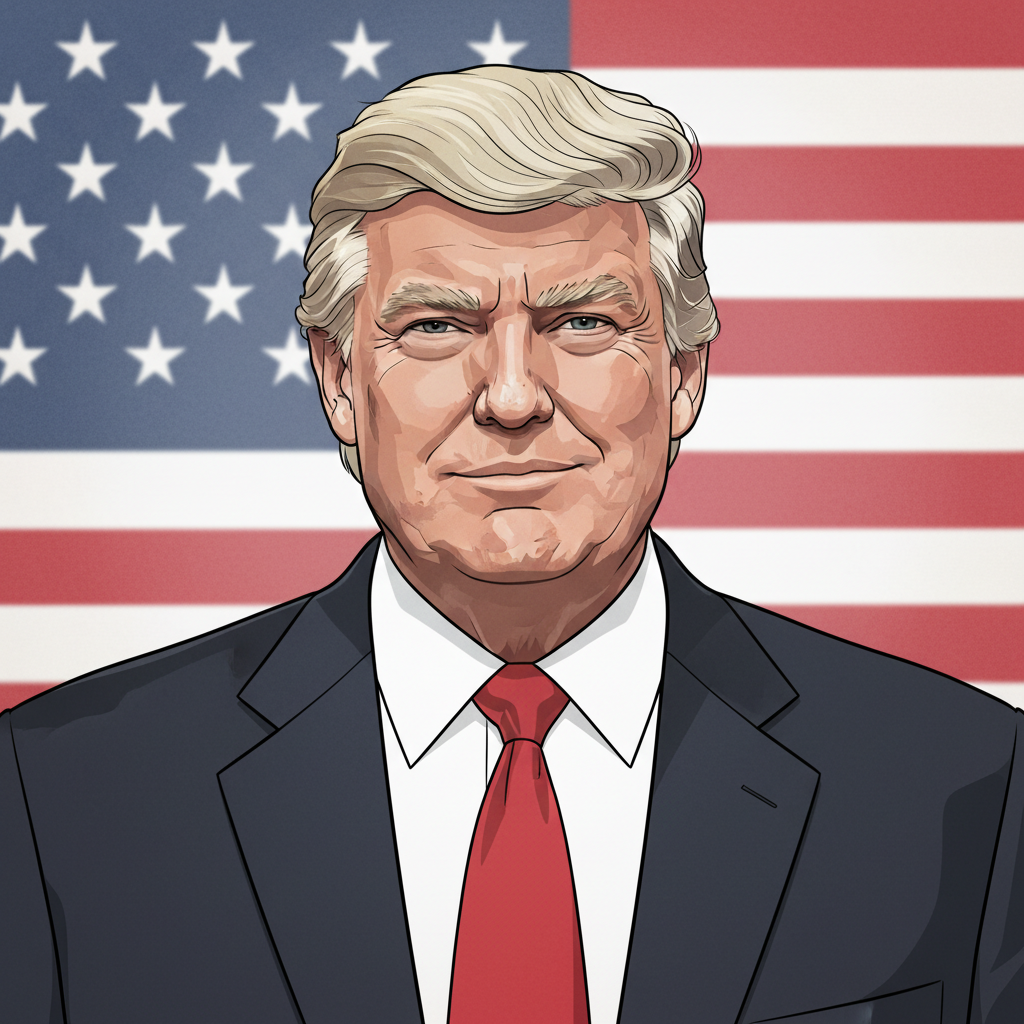
Trump's Historical Stance on Iran
During his presidency, Donald Trump fundamentally reshaped United States policy towards Iran. His administration withdrew from the JCPOA in May 2018, criticizing the agreement as insufficient to curb Iran's nuclear ambitions and destabilizing regional activities. This decision marked a significant departure from the diplomatic approach of the Obama administration, which had negotiated the multilateral deal. Trump’s stated objective was to force Iran to negotiate a "better deal" that would address not only its nuclear program but also its ballistic missile development and regional proxy support.
The Maximum Pressure Campaign
Following the JCPOA withdrawal, the Trump administration initiated a "maximum pressure" campaign, reimposing and expanding economic sanctions targeting Iran's oil exports, banking sector, and key officials. This strategy aimed to cripple Iran's economy and compel a change in behavior. GeoGazet tracking indicates Iran remains a central focus, evidenced by its inclusion among Trump's "Top connections by signal volume," with 15 tracked signals, alongside the United States (27 tracked signals) and NATO (15 tracked signals). The breadth of GeoGazet's monitoring, with a "Total tracked events in GeoGazet graph: 100," underscores the extensive impact and interest surrounding Trump's actions.
Ongoing Influence and Future Prospects
Even after leaving office, Donald Trump maintains a "Current influence score: 100/100," reflecting his continued prominence in American politics and his potential to shape future United States foreign policy, particularly concerning Iran. His past rhetoric and policies established a template for a more confrontational approach. While current headlines from GeoGazet tracking, such as "What Trump's banking executive order could mean for Idaho customers," "Trump Stuns Republicans With Whirlwind Day of Frustration and Finger-Pointing," and "Live updates: Trump met with GOP senators after canceling housing bill signing ceremony," primarily reflect his ongoing domestic political activities, they illustrate the dynamic nature of his influence across various domains. These domestic engagements contribute to his overall political capital, which could be leveraged should he return to power. Historically, this confrontational stance contrasts sharply with more conciliatory efforts seen under administrations preceding his, highlighting a consistent preference for unilateral pressure.
What to Watch For Next
Observers should monitor several key areas to discern Donald Trump's future approach to Iran. Should he pursue another presidential term, his policy agenda would likely reiterate a commitment to the "maximum pressure" framework, potentially escalating sanctions or increasing demands for a more comprehensive agreement. Attention should also be paid to how his public statements influence Republican foreign policy platforms and the broader debate on Iran's nuclear program and regional actions. Any potential shifts in the geopolitical landscape, particularly concerning Iran's relations with other global powers, could also prompt a re-evaluation of strategies. The interplay between his domestic political activities, as recently tracked by GeoGazet, and his pronouncements on international affairs will be crucial in forecasting his future engagement with Tehran.