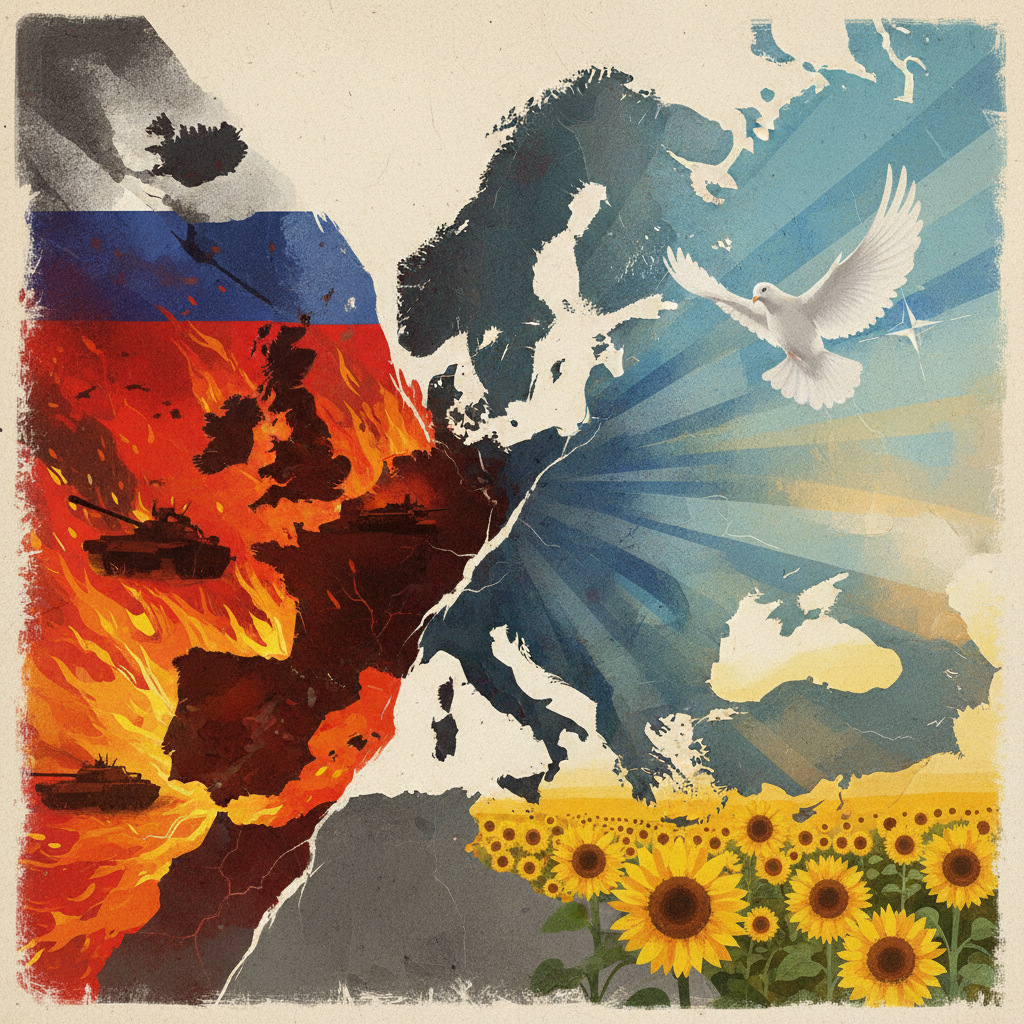
Geopolitical Landscape
The conflict, now in its third year, continues to shape international alliances and economic dynamics. Intelligence assessments, such as "The Russia-Ukraine War Report Card, Aug. 12, 2026" from GeoGazet tracking, suggest a projected longevity for the conflict, indicating that sustained analysis and adaptation will be required well into the foreseeable future. This persistent engagement highlights the deep-seated strategic interests at play for all involved parties.
Key Intelligence Signals
Recent signals provide critical insights into the evolving nature of the war. The report titled "Middle East Countries Continue To Arm Both Sides Of Russia-Ukraine War" reveals the intricate and often contradictory nature of international involvement. This pattern, where regional powers supply both belligerents, mirrors historical proxy conflicts seen during the Cold War, demonstrating a complex web of strategic competition and economic opportunity rather than unified global opposition or support for either side. This sustained external provisioning contributes significantly to the conflict's endurance and complicates pathways to resolution.
Economically, a signal querying "Is Russia’s economy cracking despite the Iran war windfall?" points to the ongoing assessment of Moscow’s financial resilience under sanctions. While Russia has sought to mitigate the impact of Western restrictions through partnerships and alternative revenue streams, potentially leveraging relationships with states like Iran, the question suggests persistent underlying vulnerabilities. The continued scrutiny indicates that the long-term economic sustainability of the war effort remains a significant analytical concern for intelligence agencies. The total tracked events in the GeoGazet graph, numbering 100, provide a substantial dataset for these ongoing evaluations.
Enduring Strategic Implications
The high volume of signals related to Ukraine and Russia, combined with a significant focus on "Missiles & Strikes," indicates the continued relevance of military operations and kinetic actions. This includes offensive and defensive missile activity, which remains a key component of the conflict's tactical and strategic landscape. The war’s ongoing nature necessitates continuous tracking of battlefield developments, logistical capabilities, and the impact of military aid.
What to Watch For Next
Future analysis will focus on several key areas. Continued monitoring of third-party interventions, particularly from Middle Eastern nations, will be crucial in understanding how external support influences the conflict's trajectory. The resilience of Russia's economy under sustained pressure and the efficacy of its strategic partnerships will also remain a critical indicator. Furthermore, the evolution of missile and strike capabilities, including their strategic deployment and counter-measures, will shape battlefield outcomes. Any shifts in diplomatic efforts or significant changes in Western support for Ukraine will also warrant close attention, as they could alter the war’s projected long-term outlook.