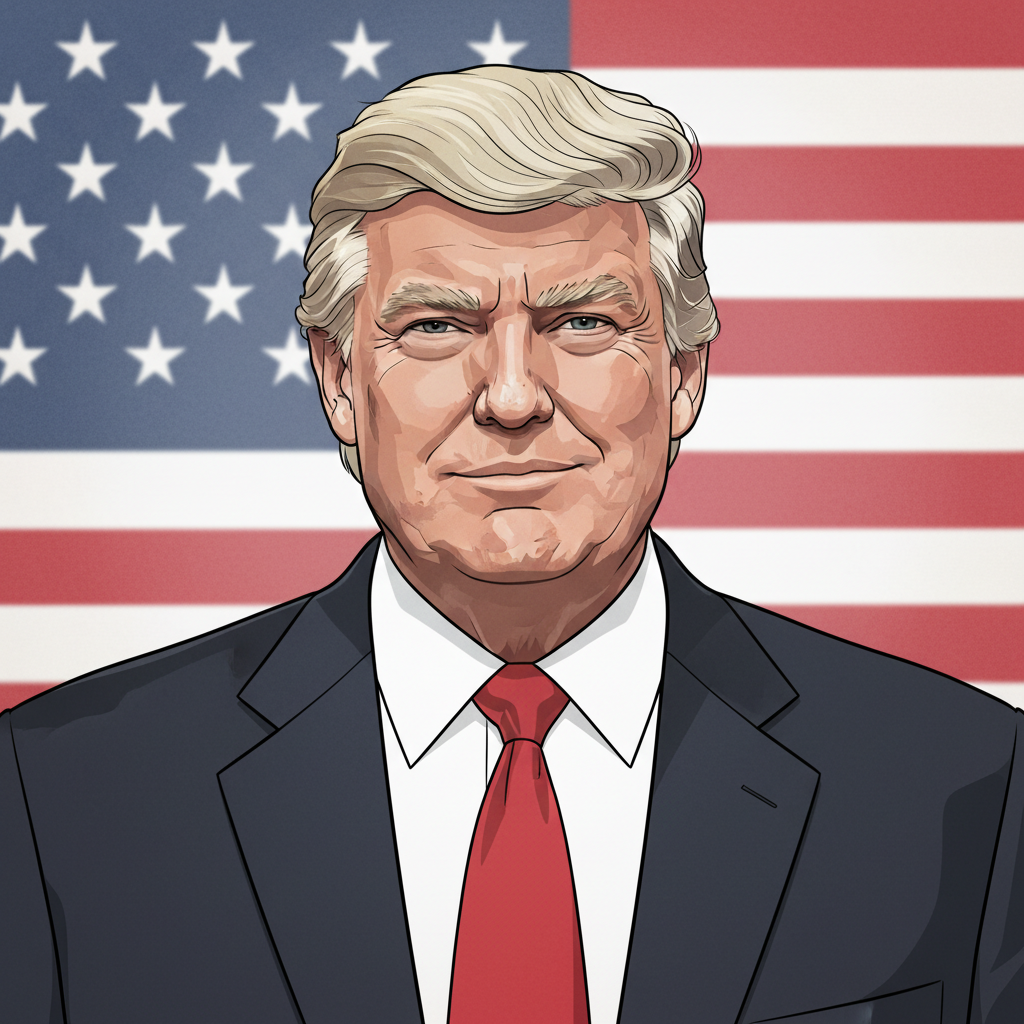
Donald Trump's Enduring Geopolitical Influence
Donald Trump's previous presidency significantly reshaped global alliances, trade relationships, and international policy doctrines. His ongoing influence on the United States and the broader geopolitical landscape remains substantial, as evidenced by his current influence score of 100/100 in GeoGazet tracking. Analysis of his potential future actions requires examining his past behavior and current political standing within the context of global events. Top connections by signal volume indicate that the United States (26 tracked signals), Iran (22 tracked signals), and Elections (4 tracked signals) are currently the most active areas pertaining to his influence.
Data-Driven Insights, Not Prophecy
Understanding potential future scenarios involving Donald Trump necessitates an analytical approach grounded in observable facts. GeoGazet tracking shows a total of 100 tracked events relating to his activities or their consequences. For instance, recent signals highlight critical areas of concern:
- Iran: The signal "Iran war live: US launches more attacks, Trump orders blockade in Hormuz" points to a scenario reflecting his past hawkish stance towards Iran. Another signal, "‘Iran War Participation Trophy’ on National Mall mocks Trump," suggests public and political commentary directly linking him to potential conflict in the region. This indicates a consistent analytical focus on his strong policy positions regarding Iran.
- Trade and Economy: The signal "US refunds $81bn in Trump tariffs after supreme court ruled them illegal" underscores the lasting legal and economic ramifications of his trade policies. This specific data point highlights the ongoing unwinding of decisions made during his administration and their financial impact.
- Elections: The tracking of 4 signals related to Elections directly reflects the persistent speculation and analysis regarding his future political aspirations and their potential consequences for domestic and international policy.
Historical Parallels in Political Analysis
Historically, the analysis of influential political figures involves projecting future behaviors based on established patterns and stated intentions. Leaders who have held significant power often maintain a high degree of influence even after leaving office, and their potential return or continued advocacy is meticulously scrutinized. For instance, the consistent themes in a leader's rhetoric or policy preferences during their time in power often serve as reliable indicators of their likely actions if they regain influence. This analytical approach, rather than relying on prescience, is a cornerstone of geopolitical intelligence.
What to Watch For Next
To anticipate Donald Trump's potential future actions and their geopolitical implications, analysts will continue to monitor several key areas. Foremost among these are developments related to his engagement in the upcoming electoral cycle and any shifts in his stated foreign policy positions, particularly concerning Iran and major trading partners. The ongoing legal challenges to his past policies, like the tariff refunds, also warrant close attention, as they may inform future policy approaches. Sustained observation of his rhetoric, public appearances, and the signal volume across key geopolitical flashpoints will be critical for assessing future probabilities.