Current Geopolitical Standing
Donald Trump currently commands a robust influence score of 100/100, according to real time data. This metric underscores his persistent capacity to shape discourse and policy both domestically and internationally. His activities are closely monitored, with a total of 100 tracked events recorded in the GeoGazet graph, indicating a sustained level of engagement across various sectors.
His influence is most notably concentrated around three key entities: the United States, with 19 tracked signals; NATO, with 9 tracked signals; and Iran, with 6 tracked signals. These connections highlight the primary geopolitical arenas where his actions and statements generate significant attention and impact. Recent signals from GeoGazet tracking further illustrate this engagement. For instance, "Trump heading to NATO summit amid tensions over defense spending, Iran war" points to his continued relevance in international security dialogues. Another signal, "Trump heads to NATO summit amid feud with allies," indicates his consistent role in challenging and redefining traditional alliance dynamics, particularly within NATO.
Beyond traditional politics, his influence extends into broader public spheres. The signal "Top Team USA star to play in World Cup match after Trump weighs in on controversial penalty" demonstrates his ability to interject into non political events and garner widespread attention, further solidifying his pervasive media presence and public appeal.
Trajectory and Implications for 2026
Projecting to 2026, Trump's engagement with the United States political landscape will remain paramount. Whether in or out of office, his positions on domestic policy and international relations will continue to shape public debate and potentially influence electoral outcomes. His historical approach to alliances, particularly NATO, suggests that even in 2026, he may continue to advocate for burden sharing and challenge existing structures, potentially leading to further "feuds with allies" as seen in recent GeoGazet tracking.
Regarding Iran, his historical stance has been one of assertive pressure, including withdrawal from the Joint Comprehensive Plan of Action. His continued focus on Iran, as evidenced by its high signal volume, implies that the trajectory of United States policy towards the nation will likely remain a significant point of interest for him, potentially influencing future diplomatic or confrontational approaches, especially amid ongoing discussions of an "Iran war."
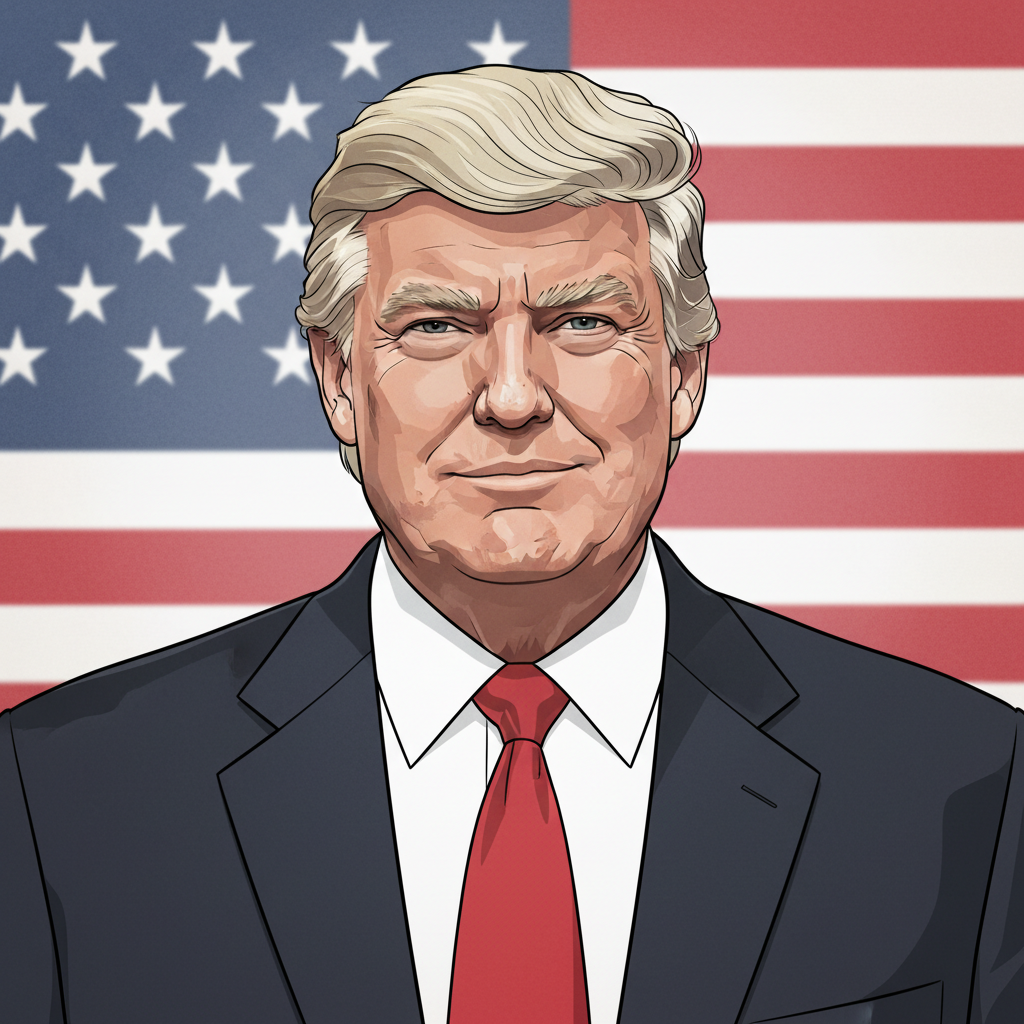
Historically, few former United States presidents have maintained such a high and active geopolitical profile years after leaving office, comparable perhaps to figures like Theodore Roosevelt who remained a potent political force even outside the White House. This sustained engagement suggests that by 2026, his conceptual "photo" would depict a figure still actively shaping or reacting to global events, rather than a passive observer.
What to Watch For Next
Observers should monitor several key areas to understand the evolving "photo" of Donald Trump in 2026. These include the outcomes of future United States elections and his potential role in them, either as a candidate or a kingmaker. Continued developments in United States relations with NATO, particularly regarding defense spending and collective security commitments, will be crucial. The geopolitical landscape surrounding Iran, including any shifts in regional stability or nuclear proliferation concerns, will also remain a central point of focus. His ability to maintain public and media attention, even outside traditional power structures, will be a significant indicator of his enduring influence.